Cricket Australia Dismisses Senior Staffer Amid Financial Strain and BBL Debate
An Integrity Crisis Hits Cricket Australia’s Executive Ranks
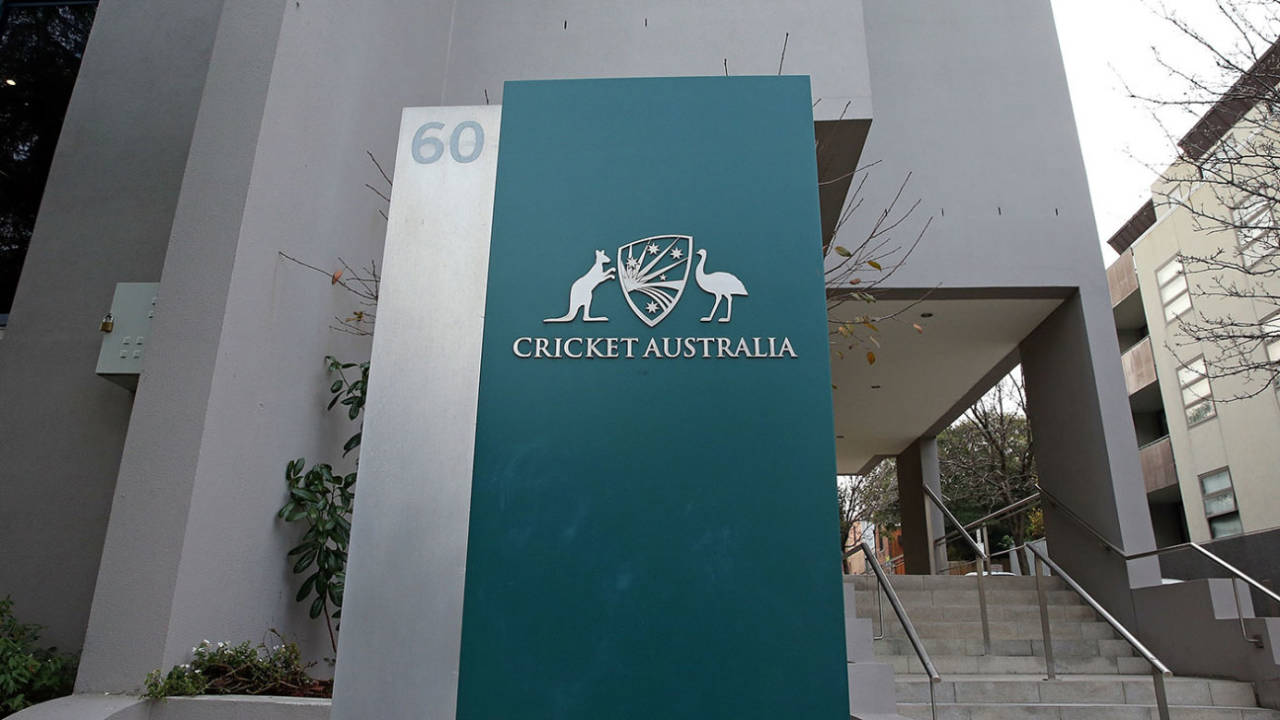
Cricket Australia (CA) has dismissed a senior staff member following an independent investigation that substantiated whistleblower allegations regarding an undeclared conflict of interest. The termination comes at a highly sensitive time for the national governing body, which is already grappling with significant structural changes, staff redundancies, and escalating financial pressures.
The issue first came to light earlier this month when Michael West Media reported that an anonymous whistleblower had raised a series of complaints against the staff member. The core of the allegation was that the senior employee had commissioned lucrative contracts to a technology services provider with which they had direct personal or professional ties. CA subsequently commissioned an independent review to evaluate the validity of the claims.
On Friday, Cricket Australia released an official statement confirming the conclusion of the investigation and the subsequent departure of the employee. “An independent assessment of claims made by an anonymous whistleblower concerning a CA staff member has been completed,” the statement read. “An allegation of an undeclared conflict of interest during a procurement process has been substantiated. The staff member has now left CA.”
This internal scandal has unfolded against a bleak backdrop for Cricket Australia’s administrative workforce. Over the past year, the organization has undergone intensive cost-cutting restructures, resulting in two rounds of redundancies over the last 12 months. This includes the loss of 20 staff members this year alone, alongside budget cuts targeting high-performance development pathways.
Severe Financial Headwinds and Projected Deficits
The swift action taken by CA highlights the organization’s vulnerability as it faces mounting economic challenges. Despite enjoying record-breaking crowds during the high-profile Border-Gavaskar Trophy series, CA recorded an overall loss of more than A$11 million for the 2024-25 financial year.
The financial shortfall was compounded by unexpected scheduling and match outcomes last summer. Specifically, CA lost millions of dollars in projected match-day and broadcast revenue when the two marquee Ashes Tests held in Perth and Melbourne both concluded in just two days. With high-performance pathway budgets already slashed, internal forecasts paint a sobering long-term picture, with fears that Cricket Australia could face a cumulative deficit of up to A$100 million by the year 2031.
The Battle Over BBL‘s Privatization and State Resistance
To combat these long-term financial concerns, Cricket Australia has been aggressively pushing a proposal to introduce private investment into the Big Bash League (BBL). The strategy mirrors the model successfully implemented by the England and Wales Cricket Board (ECB), which sold percentage stakes in its Hundred franchises to private investors last year. However, CA’s attempts to replicate this model have met with stiff resistance from state associations.
New South Wales (NSW) and Queensland rejected CA’s initial proposal to sell off equity stakes in the eight BBL franchises. Cricket NSW, in particular, has put forward an alternative proposal advocating for a self-funded model. NSW officials remain skeptical of CA’s dire financial projections, arguing that the sport’s collective balance sheet can be managed more efficiently through targeted operational measures designed to maximize tournament profitability and boost player salaries without giving up long-term equity.
Despite this philosophical division, both Cricket Australia and the state associations agree on one existential threat: the very real risk of Australia’s premier talent abandoning the domestic BBL—and potentially international cricket altogether—to take up highly lucrative contracts in competing global T20 franchise leagues. To retain these marquee players, player compensation must be raised significantly.
A Fractured Path Forward: The Hybrid BBL Model
Faced with a deadlock among the states, Cricket Australia is now proceeding with a compromised hybrid model. CA will test the private investment market with three specific franchises representing states receptive to the idea: the Melbourne Renegades (Victoria), the Perth Scorchers (Western Australia), and the Hobart Hurricanes (Tasmania).
The remaining states, including South Australia—which had initially proposed its own hybrid structure—retain the option to sell equity stakes at a later date. Victoria is expected to take this delayed route with its second franchise, the Melbourne Stars.
However, running a hybrid league presents immense administrative and competitive challenges. Critics point out the difficulties of maintaining a level playing field when some teams are backed by private equity while others remain entirely state-funded. Furthermore, CA must resolve complex issues regarding how the proceeds from these private sales will be distributed and how to fairly reward the pioneering states that took the initial investment risks.
Tensions Mount Over Player Pay Restructuring
Compounding the administrative and financial debate is an escalating push from the Australian Cricketers’ Association (ACA). The players’ union is eager to renegotiate the current player payment structure established under the Memorandum of Understanding (MOU), which is scheduled to run until 2028. The ACA argues that the rapid evolution of the global T20 landscape has already made the current agreement outdated.
Currently, players receive a 27.5% share of Australian cricket’s defined revenue. The ACA wants to increase this percentage to elevate wages across the entire domestic system. However, this collective approach clashes with a growing belief among elite players and administrators that wage increases must be heavily weighted toward top-tier international cricketers and elite BBL talent to keep them competitive with global market rates, rather than raising the floor for bottom-tier domestic players.
As Cricket Australia attempts to steady the ship after this latest governance failure, it faces a complex web of financial deficits, structural disputes, and player pay negotiations that will shape the future of the game in Australia for the next decade.