Hemang Badani reveals biggest reason behind Delhi Capitals’ IPL 2026 disaster
A Season of Lost Opportunities
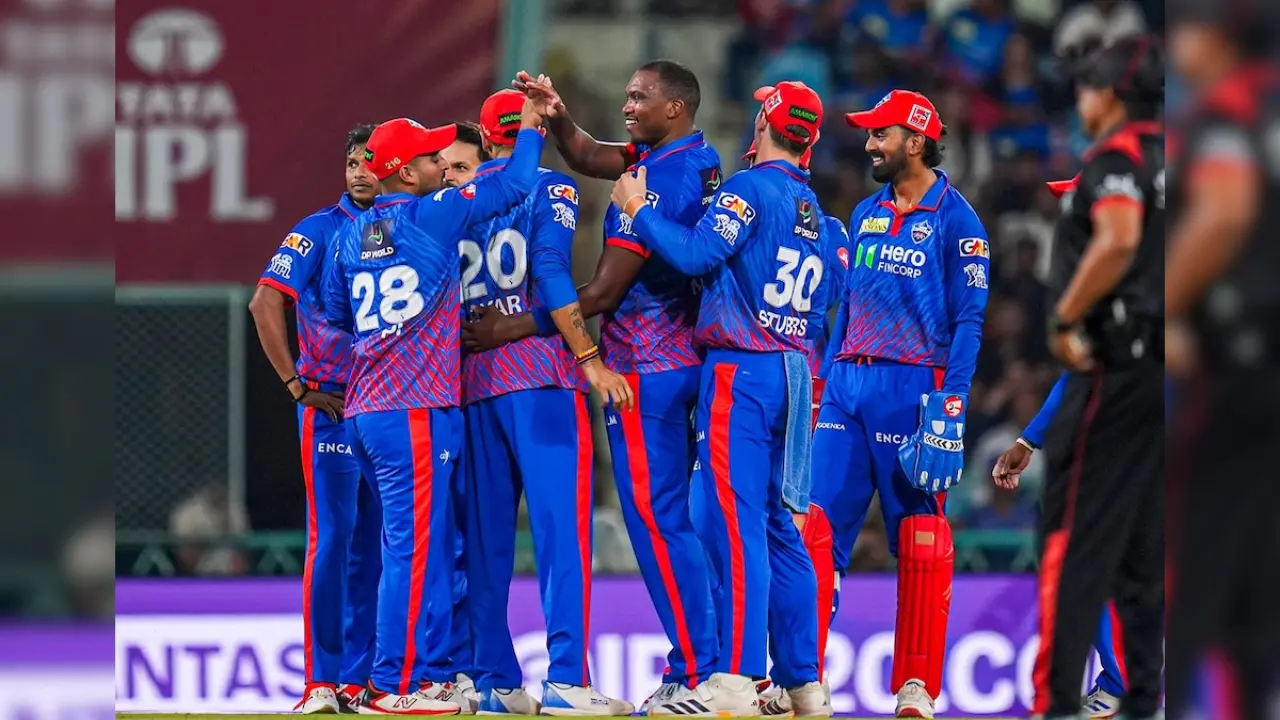
The Delhi Capitals (DC) once again found themselves on the outside looking in as the curtains closed on their IPL 2026 campaign. Despite a season filled with flashes of brilliance and individual talent, the franchise failed to break their long-standing trophy drought, missing out on the playoffs for the fifth consecutive year. Led by Axar Patel, the Capitals finished sixth on the points table, securing seven wins from 14 matches—a record that ultimately left them short of the required threshold to progress to the knockout stages.
Following their final match of the season—a 40-run victory over the Kolkata Knight Riders—head coach Hemang Badani addressed the media. In a sobering post-match press conference, Hemang Badani reveals biggest reason behind Delhi Capitals’ IPL 2026 disaster, pointing directly toward the team’s chronic inability to manage high-pressure situations and maintain performance consistency.
Defining Moments and Costly Errors
The 2026 season for Delhi was defined by ‘what could have been.’ Several matches were lost from positions of absolute strength. Among the most painful memories for fans was the narrow one-run defeat to the Gujarat Titans at the Arun Jaitley Stadium. Even more staggering was the defensive collapse against the Punjab Kings, where Delhi failed to protect a monumental total of 264 runs, effectively throwing away two crucial points.
Badani emphasized that the difference between a playoff spot and a mid-table finish often came down to small margins. “There were many games that I genuinely felt that could go either way. And we did not seize those moments,” the coach lamented. According to Badani, when the game hung in the balance, the side frequently failed to exert control, allowing momentum to slip away at critical junctures.
Fielding and Bowling Struggles
Beyond the tactical misses in batting, the team’s defensive efforts were glaringly inadequate. Poor fielding was a recurring theme throughout the tournament. In pivotal encounters against the Chennai Super Kings and Sunrisers Hyderabad, crucial catches were put down, providing lifelines to opposition batters that directly influenced the match outcomes. These lapses in the field, combined with an underperforming bowling unit, left the team exposed.
The statistics reflect a harsh reality: the DC bowling attack managed only 64 wickets across their 14 matches. This tally ranked among the lowest in the entire tournament. Addressing this, Badani noted, “As a bowling side, you ideally want to pick a lot of wickets. If you see the stats with sides picking wickets, I think we are right at the bottom.”
Batting Fragility and the Absence of Stability
The middle-order batting also struggled to maintain a steady flow of runs. A common trend throughout the 2026 campaign was the tendency for wickets to fall in clusters. Instead of building partnerships and anchoring the innings, the batting lineup often buckled under pressure, making it nearly impossible to sustain the momentum needed to chase or set competitive targets consistently.
When questioned about the absence of star Australian pacer Mitchell Starc during the early phase of the season, Badani refused to use it as a crutch. He maintained that the squad possessed sufficient depth and quality to succeed regardless of personnel changes. He reiterated that, ultimately, the squad’s failure to navigate the ‘small margins’ of T20 cricket was the deciding factor in their exit.
Looking Ahead
As the franchise looks toward the future, the lessons from 2026 are clear. Without a focus on closing out tight games, maintaining high standards in the field, and ensuring middle-order stability, the trophy drought is likely to continue. While there is no doubt regarding the talent within the roster, the synergy and mental fortitude required to dominate the IPL remain the missing ingredients for Delhi. For the coaching staff and the players, the upcoming months will be a period of intense reflection as they attempt to rectify the issues that hindered their progress this year.