Revealed: Why New Zealand vs Ireland Is A 4-Day Test Instead Of 5? – Why New Zealand vs Ireland is a 4-Day Test: Explained
The Curious Case of the Four-Day Test
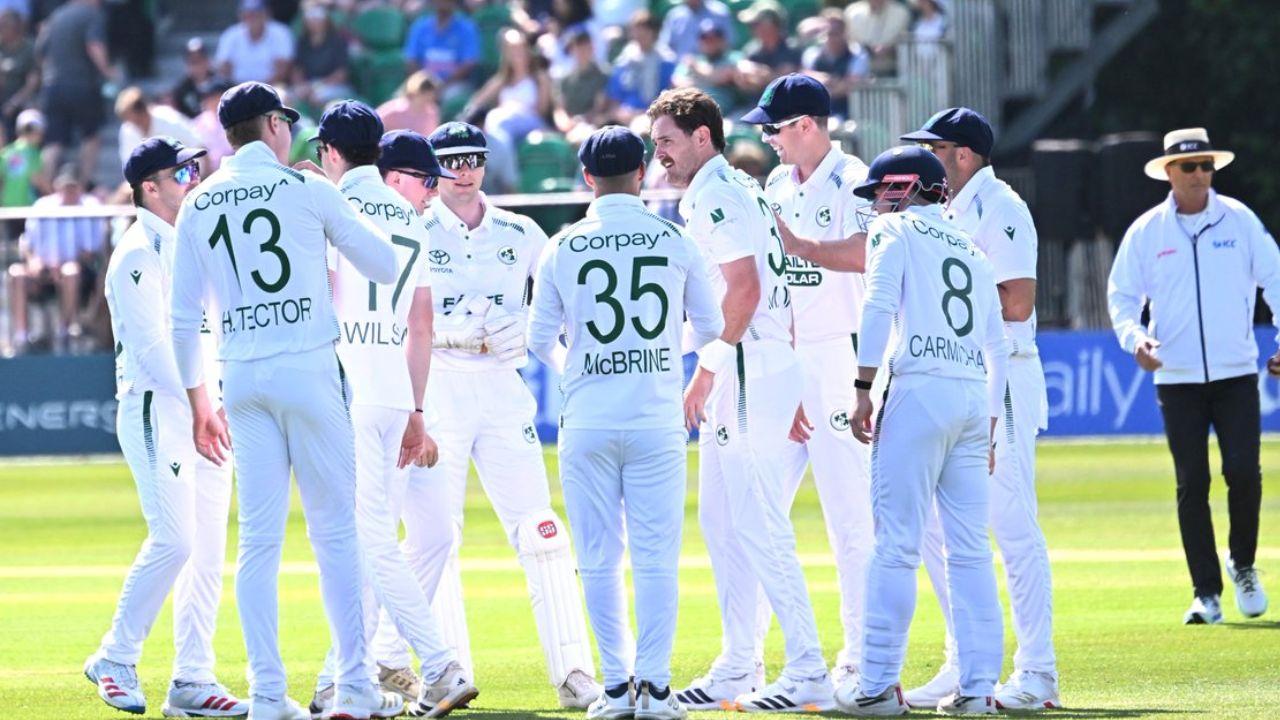
As New Zealand and Ireland faced off at the Belfast Stadium, cricket enthusiasts noticed something unusual: the match is scheduled for only four days. In an era where the five-day format is considered the ultimate test of endurance and skill, this shorter duration has left many spectators questioning the rationale behind the decision. This article examines the reasons why this clash deviates from the traditional ICC standard.
The ICC’s Stance on Shorter Tests
Since 2017, the International Cricket Council (ICC) has permitted member nations to play four-day Test matches, provided that both bilateral boards reach a mutual agreement. This amendment was introduced primarily to assist smaller cricket boards in managing the significant financial burden associated with hosting five-day matches. By trimming a day, boards can potentially reduce logistical and operational costs while still providing their players with exposure to the longest format of the game.
Why Ireland and New Zealand Agreed
The decision to hold a four-day Test is a strategic move for both nations. For Ireland, the financial implications are significant. Hosting a full five-day Test can be a costly endeavor, and by shortening the match, they can host high-quality opposition like New Zealand in a more sustainable manner. Furthermore, Ireland has had limited experience in first-class cricket; facing a Tier-A side like the BlackCaps is an invaluable opportunity to develop their players’ red-ball skills, regardless of the match duration.
For New Zealand, the match serves a specific purpose in their broader tour itinerary. With a high-stakes three-match Test series against England commencing on June 4, the BlackCaps are using this encounter as a vital practice session. By fielding a top-tier side against Ireland, New Zealand ensures their players gain match fitness and rhythm in English conditions before their main assignment begins.
Key Differences: 4-Day vs 5-Day Tests
While the essence of the game remains the same, there are technical differences between the two formats:
- Overs per day: A traditional five-day Test requires a minimum of 90 overs per day. In contrast, a four-day match increases this requirement to a minimum of 98 overs per day to compensate for the lost time.
- Follow-on rules: The threshold for enforcing a follow-on is lower in a four-day match. A team needs a 150-run lead to enforce a follow-on, whereas, in a five-day game, the standard lead required is 200 runs.
This match marks the fifth occurrence of a four-day Test in cricket history, following the inaugural match between South Africa and Zimbabwe held at Port Elizabeth in 2018.
The WTC Context
A common question among fans is whether this match counts toward the World Test Championship (WTC) standings. The answer is no. Ireland is not currently part of the WTC cycle, as they fall outside the top-10 Test team rankings. Because the WTC requires both participating teams to be within the designated cycle, this match is treated as a standalone bilateral event. For New Zealand, currently sitting second on the WTC table, this match is strictly about preparation and development rather than tournament points.
Conclusion
While purists may prefer the five-day format, the four-day Test serves as a pragmatic solution to the logistical and developmental needs of cricket boards. By fostering growth for emerging nations like Ireland and providing essential preparation for established teams like New Zealand, these matches continue to play a unique role in the evolution of international cricket.