Mumbai Indians To Crack A Whip On Seniors For Conspiracy Against Hardik Pandya – Mumbai Indians to Address Dressing Room Leaks Amidst Hardik Pandya Captaincy Saga
A Franchise in Turmoil
The Mumbai Indians (MI), once the undisputed titans of the Indian Premier League (IPL), find themselves at a critical crossroads. Following a dismal 2026 season where the five-time champions finished a lowly ninth on the points table with only four wins, the focus has shifted from mere on-field performance to the deteriorating culture within the squad. As the dust settles, the management is reportedly preparing to take drastic measures to restore order and discipline.
The Captaincy Conundrum and Growing Unrest
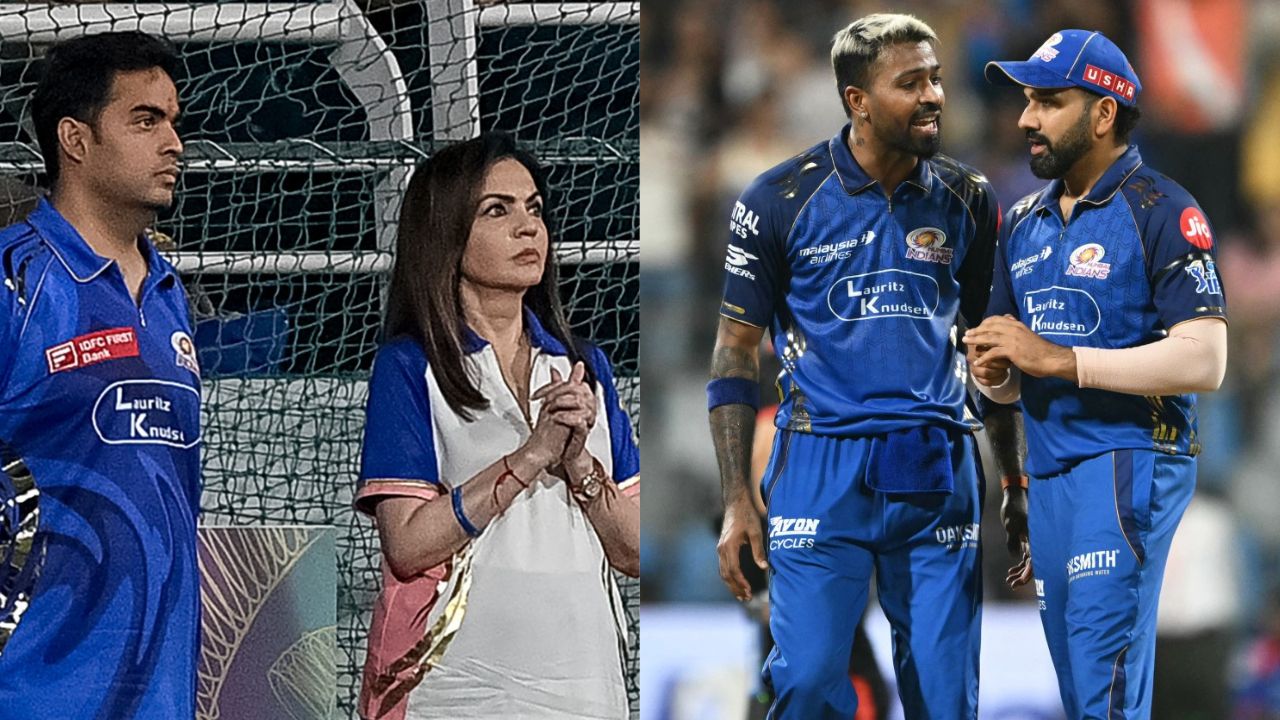
The return of Hardik Pandya and his subsequent appointment as captain, replacing the iconic Rohit Sharma, served as the catalyst for a fractured dressing room. The transition, which was met with significant backlash from the fanbase, appears to have caused deeper rifts within the team than previously acknowledged. With reports circulating that Hardik Pandya himself may be considering an exit from the franchise, the leadership vacuum has become a top priority for the Mumbai Indians ownership.
Dressing Room Leaks: The Silent Saboteur
While captaincy changes and player retention strategies dominate the headlines, the MI management identifies a more insidious problem: the persistent leakage of confidential information. According to recent reports, sensitive team meetings and strategic discussions have consistently been finding their way to the public domain over the last three seasons. This lack of confidentiality has severely compromised the trust required to build a winning unit.
A source close to the developments noted that while minor differences are common in any professional sporting setup, the level of bitterness and division within the Mumbai Indians camp has reached an unprecedented high since the change in leadership. The management firmly believes that this toxicity has filtered down to the players’ performances, ultimately costing the team its competitive edge.
Strict Action on the Horizon
The franchise is now preparing to crack the whip. There is a strong sentiment within the management that certain senior players may be responsible for fanning the flames of dissent. The organization is looking to implement strict protocols, similar to the disciplinary measures observed following the infamous social media “emoji episode” of 2024. Officials are clear: the priority is to protect the integrity of the franchise’s inner sanctum.
The road to redemption for the five-time champions will be long and arduous. For the Mumbai Indians, reclaiming their status as an IPL powerhouse is not just about tactical changes or player acquisitions. It is about weeding out the elements that have prioritized personal agendas over the team’s collective success. The management’s forthcoming actions are expected to send a clear signal that the era of internal discord will no longer be tolerated at one of cricket’s most prestigious franchises.
Looking Ahead
As the team looks toward the next cycle of the IPL, the primary goal is to foster a culture of commitment and transparency. The management understands that without restoring the core values that once defined the Mumbai Indians, no amount of talent or strategic planning will suffice to return them to the summit of the league. The coming weeks are expected to be decisive, as the franchise looks to reshape its squad identity and hold individuals accountable for the lapses that have tarnished their professional image.