IPL 2026 Prize Money: How Much Will RCB, GT, Orange Cap, Purple Cap, MVP Get?
The Grand Finale: Stakes Are Higher Than Ever
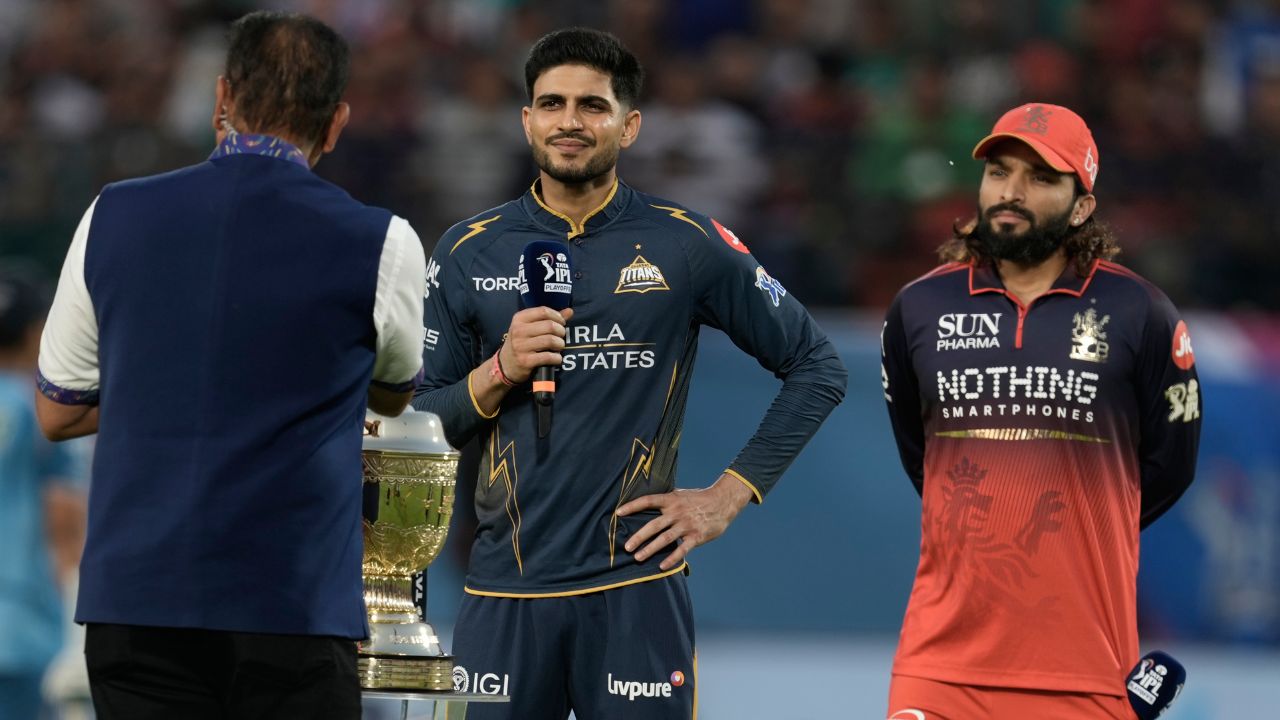
The stage is set for a dramatic conclusion to the 2026 Indian Premier League season. Royal Challengers Bengaluru (RCB) and the Gujarat Titans (GT) are prepared to lock horns in what promises to be an unforgettable final. With both franchises eyeing the ultimate silverware, the pressure is mounting not just for the trophy, but for the substantial financial rewards associated with reaching the summit of world cricket’s most lucrative T20 league.
As the tournament reaches its conclusion, it is worth examining the structure of the rewards provided by the BCCI. The total disbursement for the season is set to be a staggering INR 47.1 crore, ensuring that excellence across all departments is well-compensated.
IPL 2026 Prize Money: Winner and Runners-up
The financial incentive for lifting the trophy is significant. The winner of the IPL 2026 final will walk away with a massive prize of INR 20 crore, while the runners-up will be rewarded with INR 13 crore. The competition for the top four has been fierce throughout the season, and even teams that exited in the penultimate stages have secured impressive earnings. The Rajasthan Royals, having fought through to Qualifier 2, are set to receive INR 7 crore, while the Sunrisers Hyderabad will take home INR 6.5 crore for their efforts reaching the Eliminator.
Individual Accolades: Orange and Purple Caps
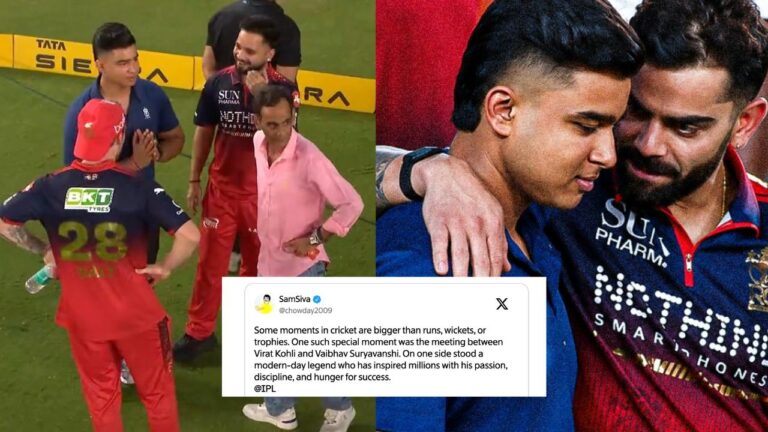
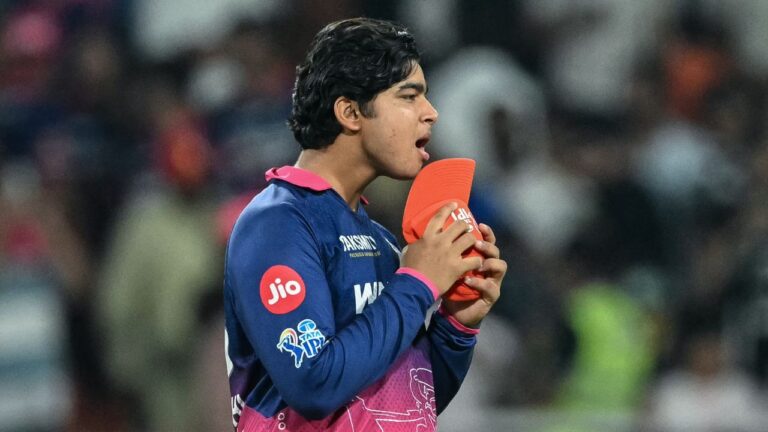
The individual honors remain the most coveted targets for players. The race for the Orange Cap, awarded to the tournament’s top run-scorer, has been electric. The 15-year-old sensation Vaibhav Sooryavanshi leads the charts with an incredible 776 runs, closely followed by GT stalwarts Shubman Gill and B Sai Sudharsan. The winner of this prestigious cap will receive INR 10 lakh.
On the bowling front, the battle for the Purple Cap is just as intense. Gujarat’s Kagiso Rabada currently holds the lead with 28 wickets, though RCB’s Bhuvneshwar Kumar remains a constant threat with 26. Like the batting honor, the Purple Cap holder will earn INR 10 lakh for their contributions.
Emerging Talent and MVP Recognition
The IPL has always been a platform for rising stars, and the Emerging Player of the Season award reflects this commitment. The BCCI criteria dictate that the recipient must be under the age of 26 (born after April 1, 2000), have never won the award, and must not have represented India previously. Vaibhav Sooryavanshi and PBKS’ Priyansh Arya are the frontrunners for this INR 20 lakh prize.
Meanwhile, the Most Valuable Player (MVP) award, which accounts for overall impact, sees Vaibhav Sooryavanshi, Kagiso Rabada, and Jofra Archer as the primary contenders. The MVP will be rewarded with INR 10 lakh. Additionally, the Punjab Kings are currently leading the race for the Fairplay Award, which carries a prize of INR 10 lakh.
A History of IPL Prize Money Evolution
The financial scale of the IPL has grown exponentially since its inception. In the league’s first two seasons, the winners received INR 4.8 crore. By 2010, this figure doubled to INR 10 crore. After shifts in the mid-2010s and a brief reduction during the COVID-19 pandemic in 2020, the winning prize returned to a robust INR 20 crore in 2021, a level that has been maintained to date. This consistent growth underscores the league’s status as a premier global sporting event, rewarding both team success and individual brilliance with unparalleled generosity.