Yastika Bhatia Retired Out, Then Slammed By Harmanpreet Kaur
The Tactical Shift in Bristol
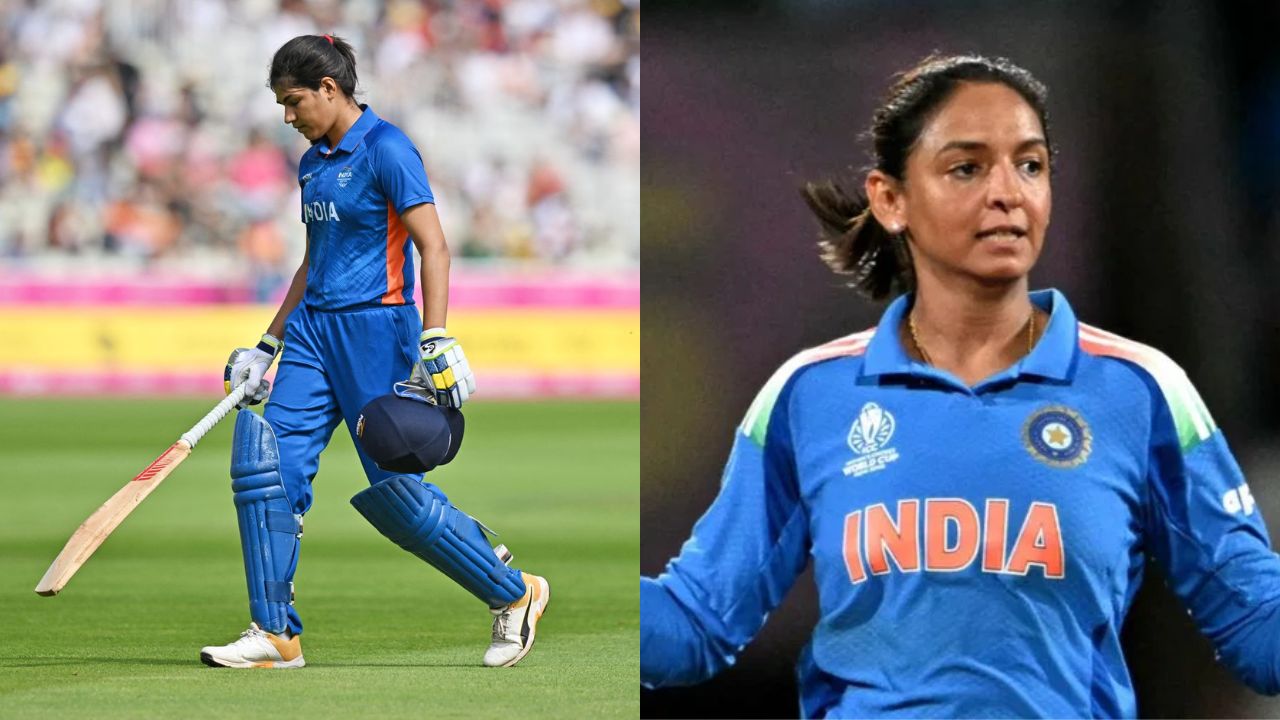
Saturday afternoon at the County Ground in Bristol witnessed a fascinating, albeit controversial, tactical maneuver that is becoming increasingly prevalent in the modern T20 format. As India looked to seal the three-match T20I series against England, the team management made the difficult decision to withdraw their top-order batter, Yastika Bhatia, in a move officially recorded as ‘retired out’. The primary objective was clear: accelerate the scoring rate to chase down a daunting target of 169. However, the move triggered a wave of conversation, particularly as Yastika Bhatia Retired Out, Then Slammed By Harmanpreet Kaur during the post-match assessment.
The Match Context: England’s Dominance
England’s innings was defined by a surge of momentum in the final overs. After a sluggish start, Freya Kemp provided the essential firepower, delivering a swashbuckling 39*(13) that included four boundaries and two massive sixes. This late-innings flourish helped England reach a competitive total. India’s bowling attack was led by Sree Charani, who claimed an impressive 3/25, supported by wickets from Nandani Sharm and Shreyanka Patil. Despite these efforts, England’s recovery proved to be the decisive element in the contest.
The Analytical Breakdown: Why the Retirement Occurred
India’s pursuit of the 169-run target began with promise. Shafali Varma provided a brief, aggressive cameo of 22 off 14 balls, and a 43-run partnership between Smriti Mandhana and Yastika Bhatia kept the scoreboard moving. However, the momentum stalled significantly as the required run rate climbed. Yastika Bhatia, coming off a strong performance in the series opener, struggled to find her rhythm in the second T20I. By the end of the 15th over, she had managed only 33 runs from 36 deliveries. The team management, desperate to inject pace into the innings, opted to remove her to allow Jemimah Rodrigues a chance to swing the bat.
Harmanpreet Kaur’s Direct Assessment
Following the 27-run defeat, captain Harmanpreet Kaur was candid about the team’s strategic failure. While the intent behind the tactical withdrawal was to secure a win, the outcome was far from ideal. Jemimah Rodrigues, brought in to accelerate, could only manage 1 run from 2 deliveries before falling. Harmanpreet Kaur reflected on the decision, stating: “Unfortunately, she [Yastika] wasn’t connecting the ball, and we felt Jemimah was someone who had scored runs in the last game, so we wanted to give her a chance. But I think it didn’t work for us.”
The captain herself, returning to the lineup, could not turn the tide, contributing an underwhelming 28 off 22 balls before being dismissed by Charlie Dean. The collective inability of the Indian middle order to find the boundary consistently meant they were restricted to 142/9, allowing England to square the series.
Looking Ahead to the Decider
The series now moves to Taunton for the final encounter, which serves as a winner-takes-all decider. Beyond the immediate joy of winning the series, the match carries significant weight as it is India’s final competitive outing before the ICC Women’s T20 World Cup. Following the conclusion of this tour, the team will transition into their preparation phase, including a warm-up match against the West Indies in Cardiff on June 8. For India, the lessons learned in Bristol—specifically regarding strike rotation and the execution of aggressive tactical changes—will be vital as they aim to build momentum for the global tournament.
Conclusion
The incident surrounding Yastika Bhatia highlights the high-pressure environment of international cricket, where every ball counts and strategic risks are often magnified by the result. As the team prepares for the series decider, the focus will undoubtedly shift toward finding a better balance between caution and aggression. Whether or not this specific tactic is revisited remains to be seen, but the intent to remain flexible in the face of pressure remains a cornerstone of the modern Indian women’s cricket strategy.