Michael Vaughan fires back at critics: “People tried to cancel me, but it hasn’t” – A Captain’s Reflection
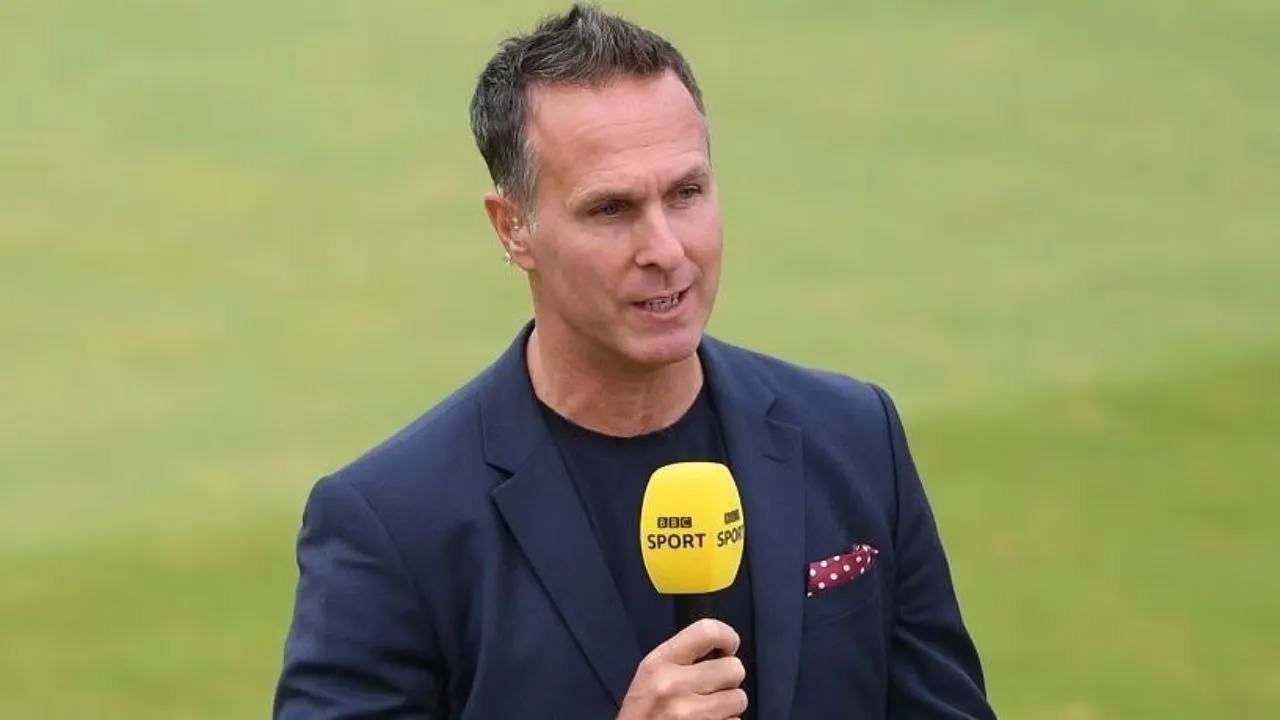
Former England captain Michael Vaughan has never shied away from voicing his opinions, and he recently delivered a powerful retort to his detractors, declaring, “People tried to cancel me, but it hasn’t happened yet.” This candid statement came as Vaughan reflected on a remarkable career that saw him ascend to the pinnacle of English cricket, leading his nation to arguably its most iconic modern triumph: the 2005 Ashes series victory.
The Unforgettable Captain: Michael Vaughan’s Legacy
Michael Vaughan remains etched in cricketing history as one of England’s most revered skippers. His tenure at the helm of the national side is synonymous with a golden era, most notably orchestrating the monumental Ashes win in 2005. This victory was not merely a series triumph; it was a watershed moment that ended an arduous 18-year drought against arch-rivals Australia, galvanizing a nation and rekindling a widespread passion for the sport. Taking over the captaincy from Nasser Hussain, Vaughan transformed the team’s fortunes, imbuing them with a renewed sense of purpose and a fearless approach to the game.
A Glimpse into Vaughan’s Playing Statistics
Despite his significant impact and celebrated captaincy, Vaughan’s playing career for England, while extensive, spanned just under a decade. Across 82 Test appearances, he amassed an impressive 5,719 runs, including 18 centuries in the longest format of the game. He also led England in One Day Internationals, showcasing his leadership across formats. Interestingly, a notable statistical anomaly in his career is the absence of a single white-ball international century, a stark contrast to his prolific red-ball record. This fact underscores his reputation as primarily a Test specialist, whose strategic acumen often overshadowed individual white-ball heroics.
The Art of Captaincy: Insights from a Master Tactician
Vaughan’s reflections on captaincy offer a fascinating insight into the mind of a successful leader. He candidly admitted, “At times, I was fine, a great captain. But I didn’t take it too seriously. That’s a good thing to realise that it’s just a game, but knowing it’s also not.” This paradoxical understanding highlights his ability to maintain perspective under immense pressure. He understood the gravity of leading a national team, yet also the importance of not allowing that burden to overwhelm him or his players. It was a delicate balance of intense focus and a relaxed demeanor that allowed his team to flourish.
He further elaborated on the crucial aspect of player management, explaining that a true captain must project an aura that doesn’t terrify the group. While internally acknowledging the immense stress and responsibility, the leader must appear calm and composed. This outward confidence, he suggests, fosters an environment where players can perform without undue anxiety, even when the stakes are incredibly high. Vaughan’s approach often involved a degree of improvisation, confessing that while he participated in team discussions and selector meetings, he would “try to wing it on most occasions” during the actual game. This speaks to a captain who trusted his instincts and adapted to situations as they unfolded on the field, a hallmark of great leadership.
The Enduring Allure of County Cricket
While international cricket represents the pinnacle for many, English cricketers often speak fondly of their experiences in the domestic circuit. Michael Vaughan is no exception, expressing a deep affection for his time with Yorkshire. “I loved playing for Yorkshire. I loved it in the 90s, just being on the county treadmill, going around with the team,” he revealed. This period, before the intense scrutiny and demands of national captaincy, appears to have been a source of immense personal satisfaction and joy for him. He contrasted this with the “ultimate bait of captaincy for England,” acknowledging the unparalleled pressure that came with leading the national side. Despite the immense challenges, he affirmed his adoration for the role, stating, “But if you ask me when I was at my happiest, I would say in the 90s playing for Yorkshire. I absolutely adored it.” This sentiment highlights a common thread among many professional cricketers: the pure, unadulterated love for the game in its less pressurized, domestic form.
From Pitch to Punditry: A Second Innings in Media
Michael Vaughan’s career in broadcasting has now become almost as extensive and impactful as his playing days. He noted that he has been involved in media for 17 years, rapidly approaching the 19 years he spent as a professional cricketer. Despite this transition, he observed, “People still see me as a player. They tried to cancel me, but it hasn’t happened yet.” This blunt assessment underscores his resilience and continued relevance in the public eye, even amidst controversies or critical scrutiny.
Vaughan expressed gratitude for his current role, stating, “I feel very lucky and blessed that I get the opportunity to turn up and talk about something I love so much.” He acknowledged the evolving landscape for modern cricketers, particularly with the pervasive influence of social media. He recognized the increased pressure faced by contemporary players, but also the greater rewards they often receive, concluding that “you take the rough with the smooth.” This balanced perspective from a veteran of both the playing field and the media box offers valuable insight into the modern game and its challenges.
Michael Vaughan’s journey, from an Ashes-winning captain to a prominent media personality, exemplifies a career defined by both success and scrutiny. His recent comments serve as a reminder of his enduring spirit and his unwavering passion for cricket, irrespective of the arena.