Litton Das reveals he once wanted to quit wicketkeeping, detailing his journey
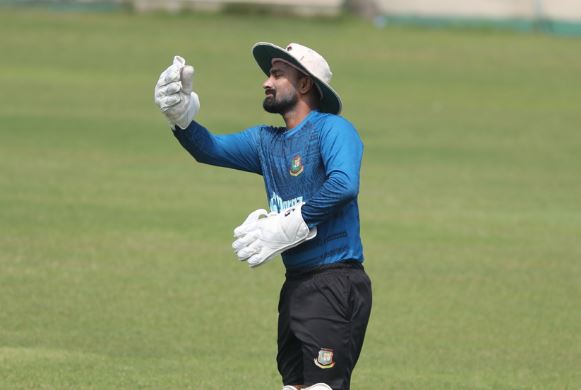
Litton Das stands tall as one of the most elegant and effective wicketkeeper-batters in the global cricketing arena today. His sublime touch with the bat, combined with his swift and precise work behind the stumps, has garnered him immense appreciation from fans, pundits, and teammates alike. He is a linchpin for Bangladesh across formats, a player whose presence instills confidence. Yet, beneath this veneer of consistent performance lies a surprising chapter in his career – a period when Litton Das seriously contemplated abandoning the very role that now defines a significant part of his international success: wicketkeeping.
The Unexpected Revelation: A Past Desire to Quit
This candid admission recently came to light as the Bangladesh star opened up about a challenging phase of his professional journey. In a detailed interview with the Bangladeshi daily Prothom Alo, Litton shared the deep-seated reasons why he had considered stepping away from wicketkeeping and, crucially, what eventually prompted a change of heart. This revelation offers a rare glimpse into the mental fortitude and self-reflection required at the elite level of sport.
Battling Self-Doubt and Lack of Opportunities
Litton explained that his contemplation stemmed from a significant lack of regular opportunities to don the gloves. “I was thinking about giving up wicketkeeping,” Litton confessed, shedding light on the frustration he felt. “I wasn’t really getting many opportunities because I was only keeping wickets in the BPL.” This limited scope, primarily restricted to domestic T20 cricket, created a dilemma. For a player aspiring to excel on the international stage, a sporadic role can be disheartening, leading to questions about one’s future direction and specialization. The demanding nature of modern cricket requires players to be multi-faceted, but also to hone their primary skills. When one of those primary skills isn’t being consistently utilized, it can feel like a setback rather than an advantage.
Furthermore, Litton admitted to experiencing significant “ups and downs” mentally during this period. The pressure to perform, coupled with the uncertainty of his role, undoubtedly took a toll. Wicketkeeping is arguably one of the most physically and mentally taxing positions in cricket. It demands acute concentration for every delivery, quick reflexes, and the ability to contribute with the bat, often under immense pressure. The emotional and psychological burden of not being able to consistently practice and perform in this specialized role, despite possessing the talent, clearly weighed heavily on him.
A Crucial Realization: Wicketkeeping as an Edge
Despite the internal conflict, Litton’s innate cricketing intelligence ultimately guided him. He came to a profound realization: wicketkeeping was not a burden but rather one of his greatest strengths and a crucial differentiator. “Then I realized I shouldn’t leave it because it’s one of my biggest strengths,” he stated. This shift in perspective was pivotal. He understood that in the highly competitive world of international cricket, having an additional high-value skill like wicketkeeping offers a significant advantage. It enhances his utility to the team, making him a more indispensable asset.
He further articulated this by saying, “If I want to do well in world cricket, I can do that as a wicketkeeper-batter.” This insight highlights his ambition and strategic thinking. Being a wicketkeeper-batter means he can secure a spot in the playing XI more easily, offering balance and flexibility to the team composition. It’s a role that combines two critical facets of the game, demanding excellence in both, but also opening more doors for a sustained international career. This newfound clarity provided the motivation to rededicate himself to the craft.
The Guiding Hand of Mushtaq Ahmed
A significant external factor in Litton’s renewed commitment was the timely intervention and guidance of Bangladesh’s spin bowling coach, Mushtaq Ahmed. Mushtaq, a legendary spinner himself with vast experience at the highest level, brought a fresh perspective and invaluable insights. “After Mushtaq Ahmed joined the team, he gave me a lot of good guidance,” Litton gratefully acknowledged. This coaching relationship proved instrumental in helping Litton regain his confidence and refine his wicketkeeping techniques. A coach’s belief and specific, actionable advice can often be the catalyst a player needs to overcome self-doubt and re-engage with their potential.
Embracing the Role: A Transformed Mindset
The impact of Mushtaq Ahmed’s mentorship was profound, leading to a complete transformation in Litton’s outlook towards wicketkeeping. “That helped me become more involved in this role. My mindset has completely changed now,” he affirmed. This wasn’t merely a technical improvement; it was a fundamental shift in his psychological approach. He no longer viewed wicketkeeping as an occasional task or a source of frustration, but as an integral and enjoyable part of his game. Such a change in mindset is crucial for sustained high performance, allowing a player to embrace challenges rather than shy away from them. In fact, Litton now finds it difficult to play without the gloves. “In fact, it feels difficult when I have to field elsewhere instead of keeping wickets,” he revealed, showcasing his deep immersion and comfort in the role.
The Impact on Litton’s Career and Bangladesh Cricket
Litton Das’s decision to persevere with wicketkeeping, fueled by self-realization and expert guidance, has proven to be a defining moment in his career. His consistent performances with both bat and gloves have solidified his position as a vital cog in the Bangladesh setup across all formats. He exemplifies the modern cricketer – versatile, skilled, and mentally resilient. This journey from contemplating quitting to fully embracing the role serves as an inspiring narrative, not just for aspiring cricketers, but for anyone facing professional crossroads. It underscores the importance of self-belief, strategic thinking, and the invaluable role of mentorship in overcoming obstacles and achieving one’s true potential in the demanding world of professional sports.