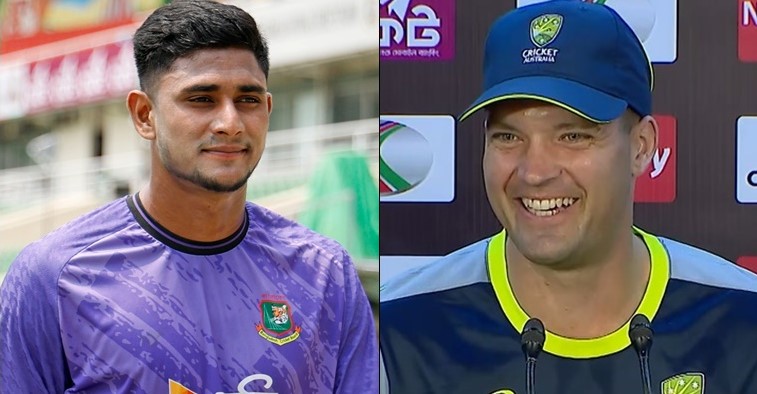
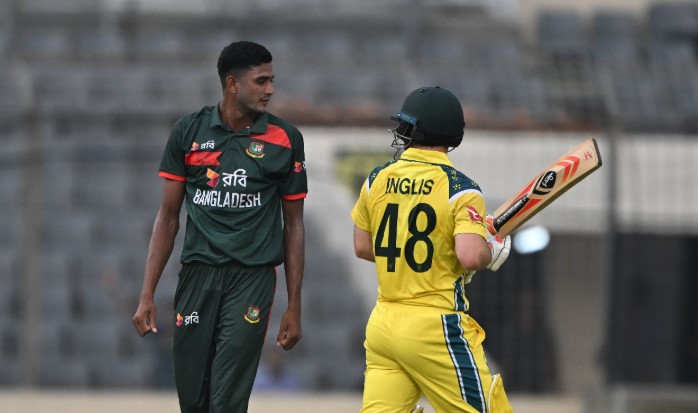
They looked like a bit more grass on the wicket: Josh Inglis on Mirpir pitch

A Changing Landscape in Mirpur
The Sher-e-Bangla National Cricket Stadium in Mirpur has long been considered a spin-friendly fortress, but recent developments suggest a shift in character. For touring teams, Mirpur is no longer the familiar, slow-turning venue it once was. Over the last two series against Pakistan and New Zealand, the surface behavior has evolved, with ground staff opting for noticeably different pitch preparations. Notably, even during the Test series against Pakistan, the wicket featured a substantial covering of grass, a stark departure from the dry tracks of the past.
Australia’s Arrival and Preparation
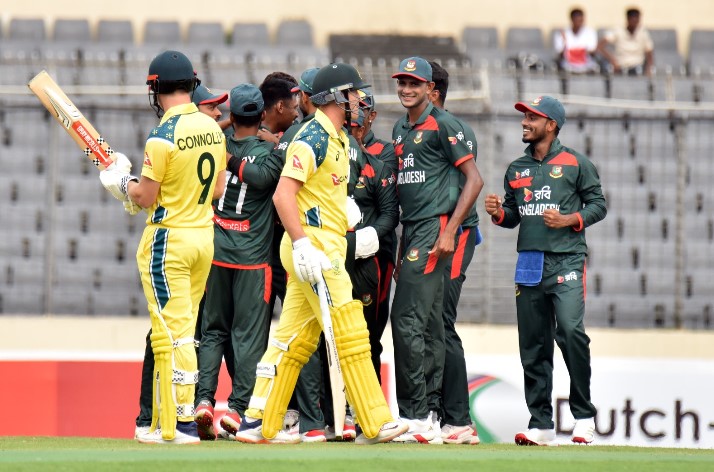
Australia has arrived in Bangladesh for a crucial white-ball tour, comprising three ODIs and three T20Is. All three ODI matches are scheduled to take place at this iconic Mirpur venue. The Australian side features a relatively inexperienced squad, with several senior players sidelined due to injuries or managed rest. Stepping up to lead the team is wicketkeeper-batter Josh Inglis, who is keen to make his mark as captain.
Speaking to the media ahead of the first ODI, Inglis offered his perspective on the challenges that lie ahead. When questioned about whether the Mirpur wickets might mirror those seen in the Indian Premier League (IPL), the captain remained pragmatic. ‘We’ll do our homework, we’ll have a look at the games that have been played here recently, and then we’ll make a judgement on the wicket later on today,’ Inglis stated.
Analyzing the Surface
Inglis drew parallels between the upcoming matches and the recent home series played by Bangladesh. He emphasized that the team is closely studying the data from the New Zealand tour of Bangladesh to formulate their strategy. ‘I think we’ve had a look at the New Zealand series that was here, right? They looked like a bit more grass on the wicket. The new ball tended to do a bit and it was a bit more seam-friendly rather than spin-heavy,’ he observed.
Despite these observations, the Australian camp is not narrowing its focus to just one type of bowling. Inglis acknowledged that while the pitch may offer assistance to seamers with the new ball, the team remains flexible. ‘We’ll take that into account, but we’re ready for anything,’ he added, reflecting the adaptability required in modern white-ball cricket.
Looking Ahead to the Series Opener
The transition from a spin-dominated track to a more seam-friendly surface presents a unique tactical challenge for both sides. For a visiting team like Australia, especially one without its full complement of veteran stars, understanding the nuances of the pitch will be vital. The management and coaching staff are expected to finalize their playing XI after a final inspection of the center strip.
The first ODI of this highly anticipated series is scheduled for June 9 in Mirpur. Fans and pundits alike will be watching closely to see if the pitch continues to defy historical trends or if the traditional spin-heavy nature of the venue returns as the series progresses. For Josh Inglis and his young squad, the goal is clear: adapt quickly, execute the game plan, and start the tour on a positive note.