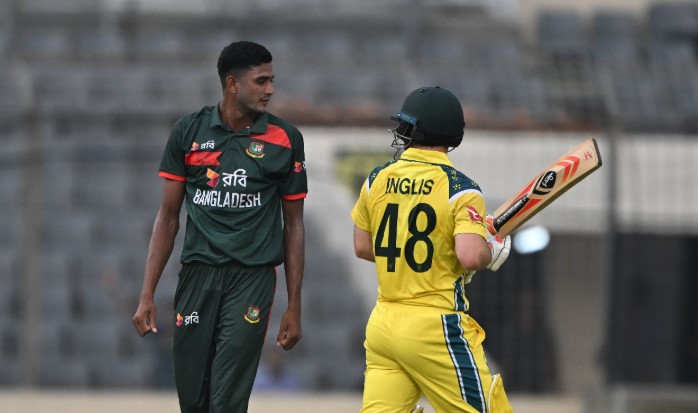
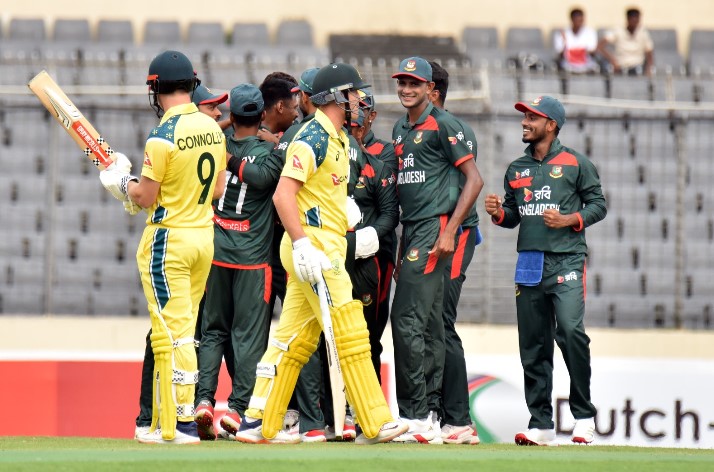
Mohammad Ashraful explains why Bangladesh are improving
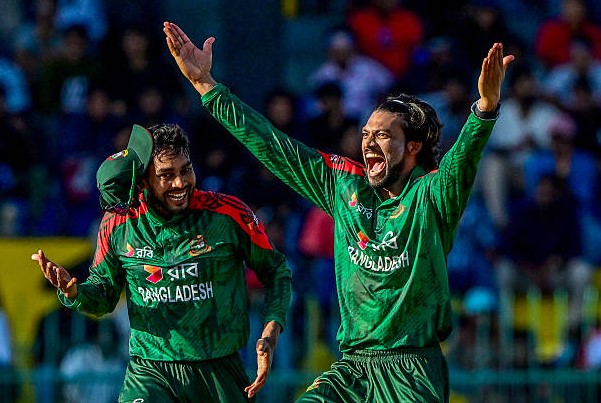
A New Era of Stability for Bangladesh Cricket
One of the most significant shifts in Bangladesh cricket over the past several months has been the strategic decision by the Bangladesh Cricket Board (BCB) to implement a divided captaincy model across the three formats of the game. By handing the reins to Najmul Hossain Shanto for Tests, Mehidy Hasan Miraz for ODIs, and Litton Das for T20Is, the board has signaled a clear intent to move away from the volatility of the past and toward a structured, future-oriented path. Former national captain and current batting coach Mohammad Ashraful explains why Bangladesh are improving, noting that this move is already yielding positive dividends.
The Power of Long-Term Leadership
Ashraful, who brings deep insight from his years as a player and coach, believes that the board’s decision is a masterstroke in terms of planning. He emphasizes that the current leadership structure allows for continuity, which was previously a major hurdle in the team’s development. According to Ashraful, the BCB has provided a clear roadmap with specific benchmarks for each leader: Miraz is tasked with overseeing the ODI squad through to the 2027 World Cup, Shanto is leading the Test side through the current World Test Championship cycle, and Litton Das is guiding the T20I team until the 2028 T20 World Cup.
This level of stability is crucial for implementing long-term technical and tactical plans. Without the constant threat of leadership turnover, these captains are empowered to build their teams with an eye on the future rather than just surviving the next series.
The Role of Experience and Squad Maturity
Beyond the captaincy, Ashraful points to the inherent experience within the current squad as a fundamental pillar of recent success. He notes that the team has matured significantly, and much of the positive momentum currently enjoyed by the national side is a direct result of the collective wisdom of seasoned players. This maturity has allowed Bangladesh to navigate pressure moments more effectively than in previous years.
Dispelling Dressing Room Myths
One of the most persistent narratives surrounding the Bangladesh team during lean periods has been the alleged internal discord within the dressing room. Whether it be rumors of player divisions or tensions between the squad and coaching staff, these stories often circulate whenever results dip. However, Ashraful offers a refreshing, firsthand perspective on this topic.
Drawing comparisons to his own 13-year playing career, which spanned from the era of legends like Akram Khan and Aminul Islam Bulbul to his later years, Ashraful asserts that the current environment is far healthier than public perception suggests. He explains that the dressing room culture is inherently competitive yet profoundly positive. Coaches and players are in constant dialogue, pushing each other toward excellence. He notes that the results seen over the last seven months have perhaps quieted the critics, but insists that the positive environment has been a constant feature, not just a byproduct of recent victories.
Looking Ahead: A Foundation for Success
Ashraful’s analysis clarifies that the team’s current progress is not a stroke of luck, but the result of a deliberate, three-pronged strategy: investment in stable leadership, reliance on an experienced core, and the maintenance of a supportive, performance-driven internal culture. By fostering an environment where players are encouraged to grow and coaches are empowered to provide consistent support, the Bangladesh team is establishing a stronger foothold in the international arena.
Ultimately, if the board and the management can continue to uphold these foundational pillars, the team is well-positioned to evolve into a more formidable force in global cricket. The commitment to this roadmap suggests that the days of uncertainty may be behind them, paving the way for a more consistent and successful future for Bangladesh cricket on the world stage.