Root rides again in moment of crisis as England pay the price for optics
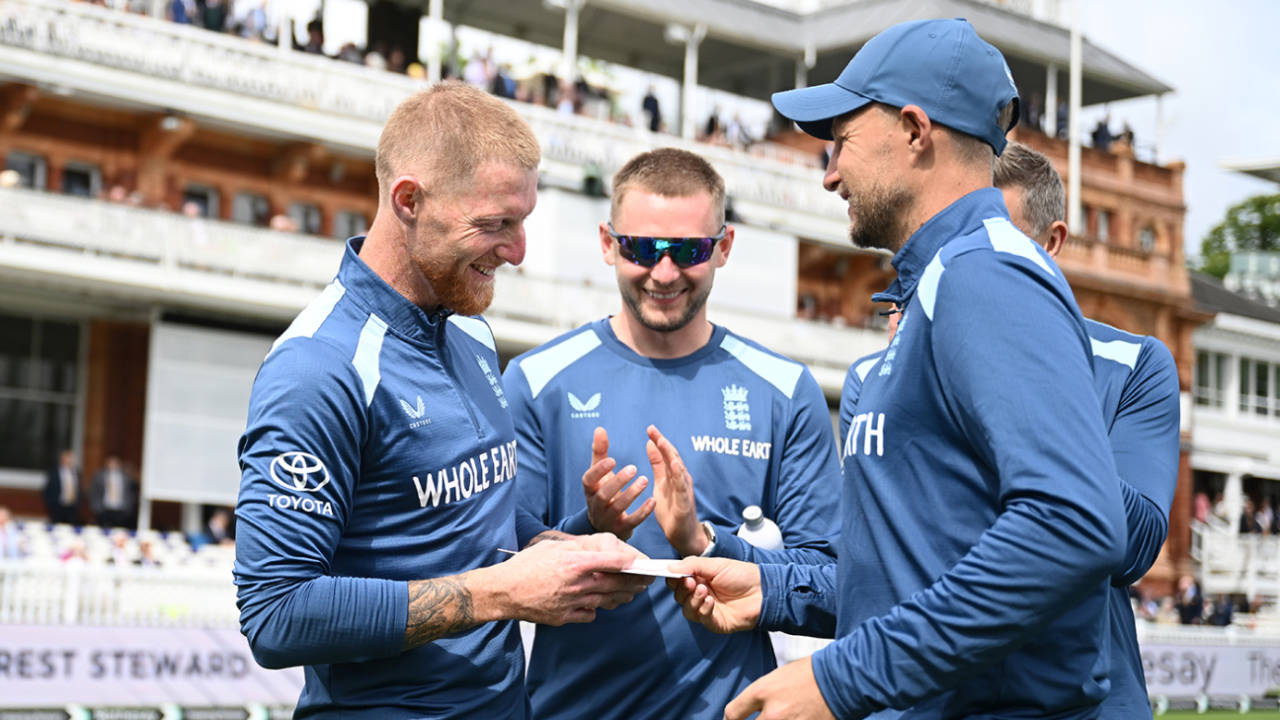
The Return of a Reluctant Leader
The age-old sporting wisdom suggests that one should never look back. Joe Root, who endured a grueling 64-Test tenure as England captain, certainly seemed like a man who had left the pressures of leadership firmly in his rearview mirror. Yet, in a twist that highlights the current chaotic state of the England and Wales Cricket Board (ECB), Root has been pulled back into the fray in an interim capacity. This appointment is not merely a temporary fix; it is a symptom of a larger issue regarding how the sport manages its public image and internal discipline.
The Fallout of the Curfew Breach
The situation began to spiral following Ben Stokes’ alleged breach of protocol—specifically, staying out beyond the team’s midnight curfew. In an era where optics often dictate policy, the sport seemed to brace for the shock of Stokes’ potential retirement. The reaction to his late-night excursion, which reportedly involved a quiet social gathering with rugby star Maro Itoje, has been disproportionate to the actual events, suggesting that the ECB is more concerned with appearances than with the reality of the situation.
Stokes and his teammate Gus Atkinson were effectively reprimanded for their perceived defiance of the team’s strict behavioral standards. The subsequent squad announcement for the second Test reflected a management team desperate to regain control of the narrative, even if it meant sidelining key personnel and forcing experienced heads back into roles they had long since moved on from.
The Problem with Optics over Reality
There was speculation that Harry Brook might step up to replace Stokes, but such a move would have been fraught with irony. Having faced his own disciplinary issues in the past, putting Brook in charge would have been a public relations nightmare, a fact that Stokes—well aware of his own complex history—would have surely recognized. The incident in question, while regrettable, pales in comparison to the intense pressures Stokes has navigated throughout his illustrious career.
At 35, with a wealth of experience and a career defined by resilience, Stokes deserves a degree of professional grace. If his night out was a silent protest against the rigid, performative nature of the ECB’s curfew, it is a testament to the friction between modern management styles and the reality of professional athlete life.
Root’s Resurgence: A Crisis Response
Now, the burden falls on Joe Root to stabilize the ship. Much like Mike Atherton’s emergency intervention in 2001, this move reeks of necessity rather than design. Root, who had previously made it clear that his captaincy days were behind him, has stepped up with the stoicism of a veteran who understands that the team’s stability outweighs personal preference. His time at the helm was marked by both significant highs—such as the 2018 series win against India—and agonizing lows, including the exhausting winter of 2021-22.
The return of Root is a clear indication that the senior players are taking ownership of the team culture while the management remains focused on the superficial layers of public relations. While this may be a short-term solution, it provides Ben Stokes with the necessary breathing room to evaluate his future, potentially preventing a premature end to one of the most significant careers in English cricket history. The situation serves as a stark reminder that in the high-stakes world of international cricket, the cost of managing optics can often outweigh the cost of managing people.
Looking Ahead
As the team prepares for the upcoming Test, the focus must shift back to the pitch. The internal politics and disciplinary debates will continue to rumble in the background, but for now, the stability offered by an experienced hand like Root is the only thing standing between England and further instability. The ECB must learn that forcing players into corners for the sake of reputation does little to foster the kind of environment where talent can flourish. The current crisis is a test of character for all involved, and whether this interim period leads to a new chapter or further volatility remains to be seen.