Mismatch in batting firepower could dictate the outcome again in T20I series
The Growing Divide in T20I Quality
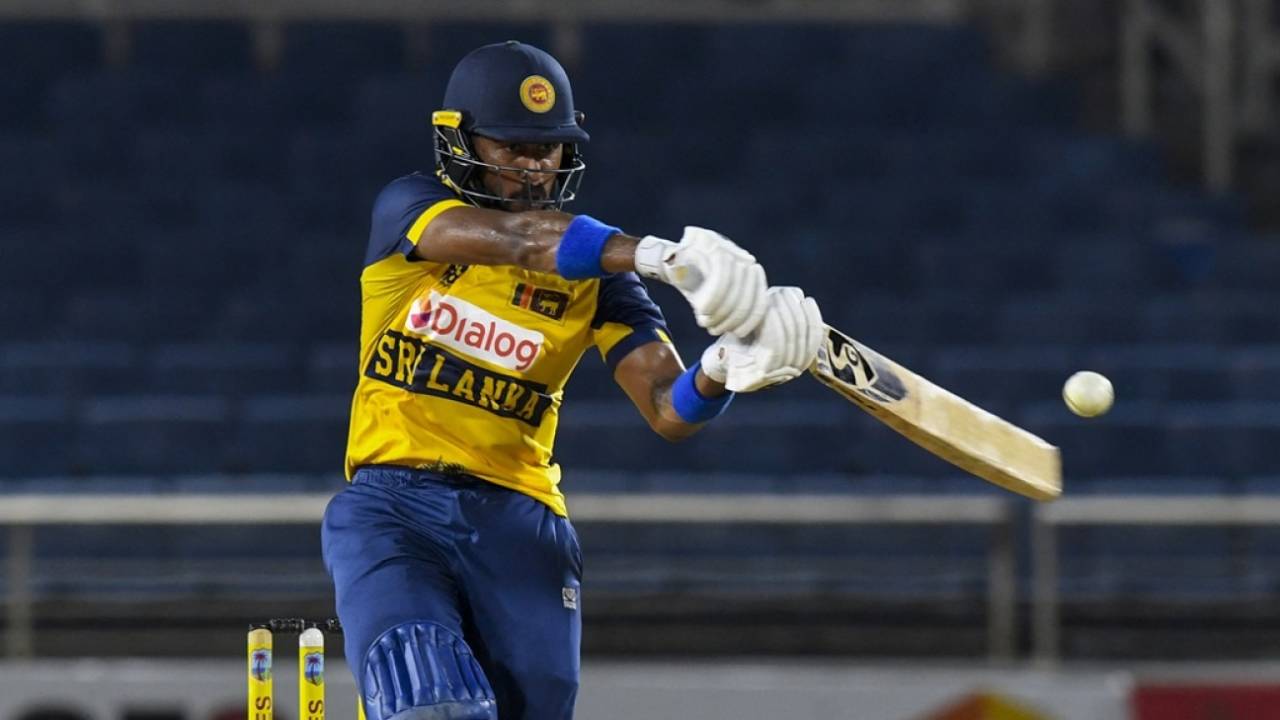
The opening match of the T20I series followed a script that has become all too familiar for Sri Lanka. While there were flashes of brilliance at the top of the order, the innings quickly dissolved into middle-order instability. Despite a promising start from Kusal Mendis, the loss of four wickets before the halfway mark forced the team into a defensive posture. Their struggle to accelerate during the death overs underscored a deeper issue: the current team composition, hampered by a rigid 6-5 structure, leaves the lineup dangerously thin.
While head coach Gary Kirsten advocates for a long-term process over immediate results, the current reality remains harsh. Having recently celebrated an ODI series victory in the Caribbean—the first in 23 years—the transition to the shortest format has exposed a stark disparity in raw power. Each of the West Indies’ top five batters cleared the ropes at least once, showcasing a depth of hitting that Sri Lanka simply cannot match. With only three batters responsible for their six sixes, the visitors are struggling to keep pace with the aggressive standards set by the hosts.
Form and Momentum
The West Indies enter this second clash with significant momentum, having recorded three wins in their last five outings. Conversely, Sri Lanka is currently navigating their most difficult period in the format since 2022, having lost five consecutive T20Is. A victory for Shai Hope’s men would clinch the series with a game to spare, putting them in a comfortable position to experiment, whereas Sri Lanka is fighting to avoid a complete series rout.
Key Figures: Holder and Mendis
Jason Holder proved instrumental in the first game, utilizing his experience and subtle variations to dismantle the Sri Lankan top order. His ability to exploit the pitch at Sabina Park makes him a continued threat for the upcoming match. On the other side of the ledger, Kamindu Mendis remains the lone beacon of stability for Sri Lanka. His composed 51 off 39 balls highlighted his versatility, but he requires significant support from his teammates if they hope to challenge the West Indies’ dominant attack.
Tactical Adjustments and Team News
The West Indies are expected to remain unchanged after their successful strategy of fielding an extra seamer paid off in the opener. The team, likely featuring Shai Hope, Brandon King, and Shimron Hetmyer, appears settled. Sri Lanka, however, faces a selection dilemma. There is speculation that Dunith Wellalage could be brought into the side to bolster both spin options and lower-order batting depth, potentially replacing an extra pacer or the struggling rookie Lasith Croospulle.
Pitch Conditions and Statistical Context
Sabina Park provided good bounce and carry during the opener, though the surface showed signs of wear. Reports suggest the track for the second match might be slightly slower, which could benefit Sri Lanka’s frontline spinners, including Wanindu Hasaranga. Hasaranga continues to climb the ranks as a wicket-taker against the West Indies, and his performance will be critical if Sri Lanka aims to limit the hosts. With a clear weather forecast, both teams have the opportunity to execute their game plans without interruption. The challenge for Sri Lanka is clear: they must find a way to bridge the gap in hitting capacity before the series slips away entirely.