Explained: Why KL Rahul is missing the 3rd ODI against Afghanistan
Understanding the Rationale Behind the Team Selection
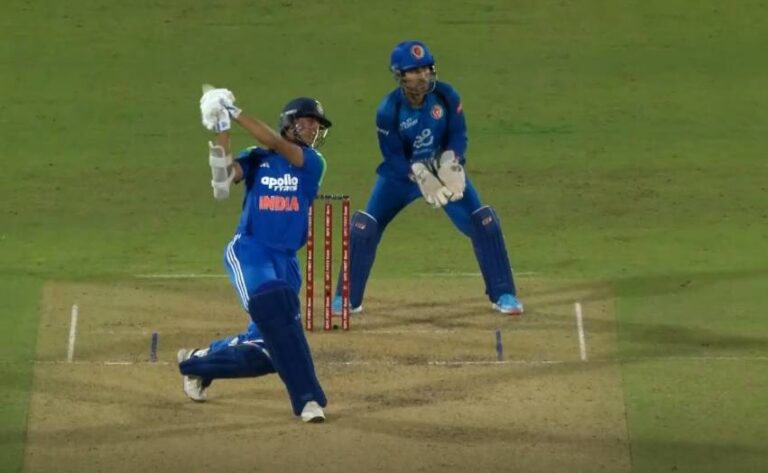
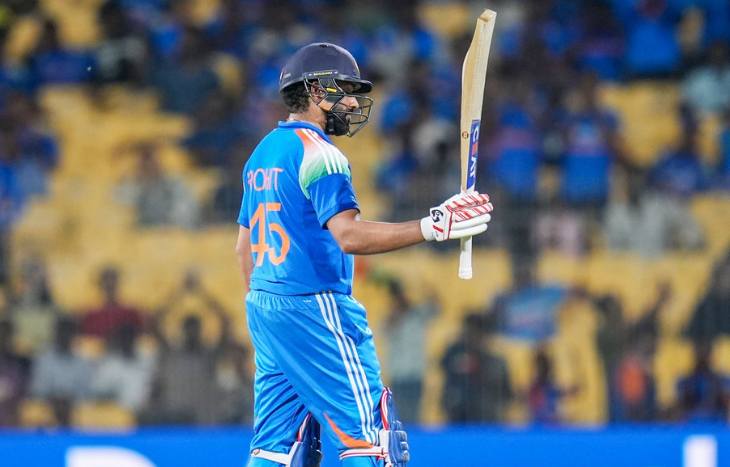
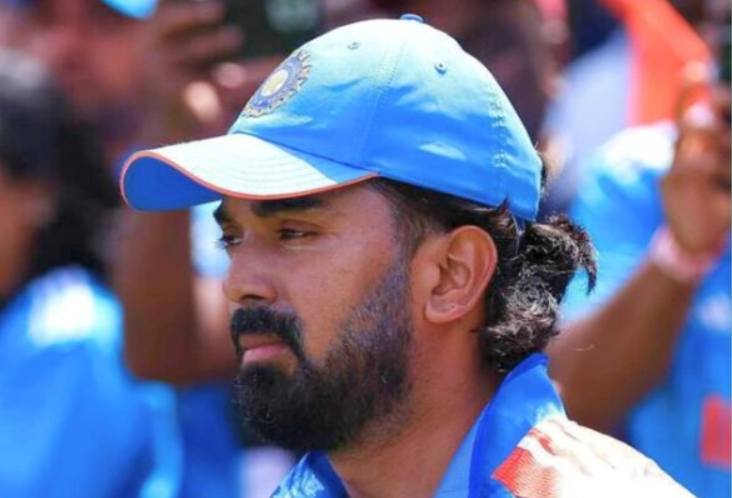
As the Indian cricket team took the field at the MA Chidambaram Stadium in Chennai for the third and final ODI against Afghanistan, a prominent name was notably absent from the team sheet. Explained: Why KL Rahul is missing the 3rd ODI against Afghanistan has become a common query among supporters, but the reasoning is purely tactical. The team management has confirmed that there are no underlying injury concerns regarding the senior wicketkeeper-batter.
KL Rahul. (Credits: X.com)
Prioritizing Workload Management
In the modern era of professional cricket, where the international calendar is incredibly congested, workload management has become as critical as on-field performance. With India having already secured the three-match ODI series following dominant displays in Dharamshala and Lucknow, the coaching staff opted to utilize the dead rubber to provide rest to key personnel. KL Rahul, having played an integral role in the preceding matches, was granted a well-earned break to ensure he remains fresh for upcoming, more demanding assignments.
Strategic Rotation and Bench Strength
Captain Shubman Gill confirmed three changes at the toss, a decision that aligns with the philosophy of testing the bench strength. Assistant coach Ryan ten Doeschate had previously indicated that the management intended to experiment with the playing combination in the final ODI, aiming to give fringe players valuable experience at the international level. By rotating the squad, the team can identify depth in various roles, ensuring that they are not over-reliant on a static group of players.
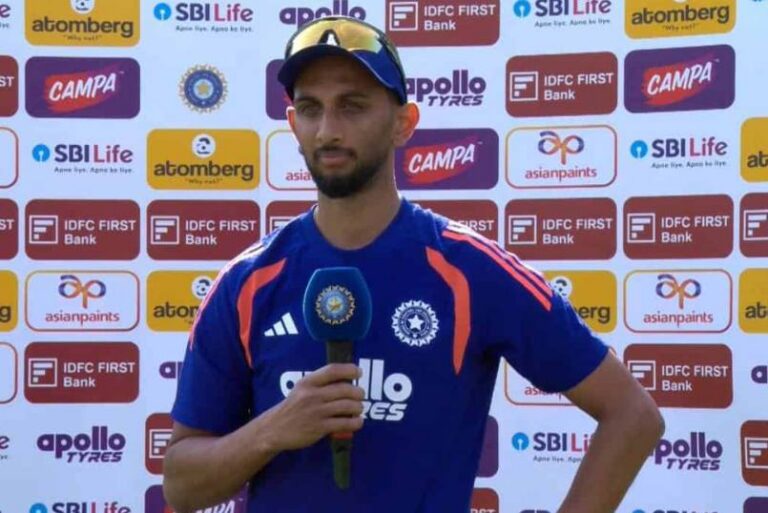
This match saw the return of all-rounder Nitish Kumar Reddy, who adds balance to the side with his seam-bowling capabilities and batting versatility. Furthermore, the inclusion of players like Prasidh Krishna and Harsh Dubey signals the management’s intent to broaden the talent pool. This approach is essential for long-term success, particularly when preparing for major global tournaments where squad depth often proves to be the deciding factor.
Reflecting on KL Rahul’s Recent Form
KL Rahul’s contribution to the ODI setup remains highly valued. His performance in the series opener at Dharamshala was a testament to his finishing prowess, where he smashed an unbeaten 39 off just 19 balls to guide India home. While he experienced a minor setback in Lucknow with a golden duck, a single low score does not diminish his standing in the side. His ability to anchor an innings, stabilize the middle order, and execute duties behind the stumps makes him an indispensable asset to the Indian cricket team.
Looking Ahead: Challenges and Consistency
At the toss, Shubman Gill noted that while India would have preferred to bat first, the opportunity to chase on the Chennai pitch serves as a useful tactical exercise. With the series victory already secured, the primary objective shifted toward maintaining winning momentum while evaluating the readiness of fresh faces. This transition period allows India to fine-tune their strategy without the pressure of a series loss hanging over their heads. As the team looks forward to a busy international season, the ability to balance the core playing group with emerging talent will be the hallmark of their preparation. Fans can rest assured that Rahul’s absence is merely a precautionary measure, designed to preserve his form and fitness for the challenges that lie ahead in the coming months.