Bangladesh bat; Pakistan bring back Rubab, Jabeen: T20 World Cup Clash
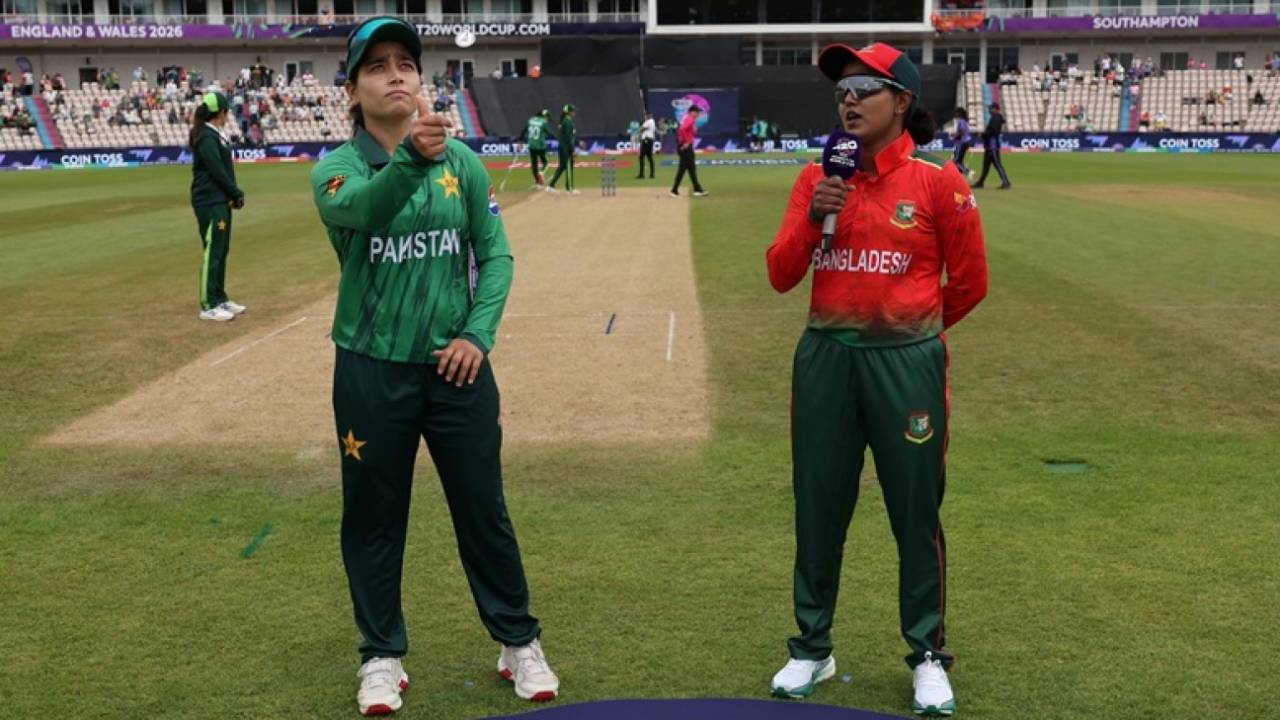
In the high-stakes environment of the 2026 Women’s T20 World Cup, every tactical decision carries immense weight. As the Group 1 action moved to Southampton, the pre-match headlines were quickly established when Bangladesh won the toss and chose to bat first on a promising surface. To counter this, Pakistan opted for a tactical shake-up in both their bowling and batting departments. In this key encounter, Bangladesh bat; Pakistan bring back Rubab, Jabeen as both sides seek to stamp their authority on this crucial tournament stage.
This fixture represents only the second time these two subcontinental rivals have faced each other in the history of the Women’s T20 World Cup. Their only previous meeting in the tournament took place during the 2016 edition, where Pakistan secured a comfortable nine-wicket victory. However, much has changed in the decade since, and both squads entered this Southampton clash with very different modern-day objectives.
Strategic Intent: Why Bangladesh Chose to Bat First
Winning the toss is often seen as a major advantage in pressure situations, and Bangladesh captain Nigar Sultana had no hesitation in opting to set a target. Sultana explained that her decision was driven by the desire to exploit what looked like an excellent batting wicket. By getting runs on the board early, Bangladesh hopes to apply scoreboard pressure on a Pakistani batting lineup that has struggled for consistency in recent matches.
Bangladesh enters this fixture with a balanced record of one win and one loss. They started their campaign positively with a victory over the Netherlands but were subsequently brought back down to earth by a dominant Australian team. Looking to bounce back from that defeat, the team management decided to make a single change to their playing eleven. Left-arm spinner Shanjida Akter Meghla was brought into the side, replacing Sultana Khatun, in an effort to add more variation and control to their bowling department during the middle overs.
Pakistan’s Backs Against the Wall: Changes and Challenges
For Pakistan, this match is nothing short of a must-win encounter. Having suffered consecutive defeats against arch-rivals India and a strong South African side, Pakistan finds themselves at the bottom of the Group 1 standings. Another loss would effectively end their hopes of progressing further in the tournament, making this fixture an absolute survival battle.
In response to their precarious situation, Pakistan made two significant personnel changes. They opted to bring back left-arm seamer Tasmia Rubab to provide some early swing and variation with the ball. Rubab replaces off-spinner Rameen Shamim. Additionally, to shore up their middle-order batting, Saira Jabeen was brought back into the starting eleven, taking the place of Natalia Perviaz. These adjustments reflect Pakistan’s desperation to find the right balance and inject fresh energy into their campaign.
Pakistan’s performances so far have been marred by self-inflicted errors. Following a heavy defeat against India, they looked lackluster with both the bat and in the field against South Africa. Poor communication led to costly run-outs, while dropped catches allowed opposition batters to capitalize on second chances. Captain Fatima Sana emphasized the need for her team to display mental discipline and calm under pressure if they are to overcome these fielding and batting lapses.
The Head-to-Head Rivalry
While Pakistan has historically dominated T20 international encounters between the two teams—winning 16 out of the 20 matches played—the recent trend tells a completely different story. Bangladesh has enjoyed a significant resurgence, winning three of the last four T20Is played against Pakistan. This shift in momentum suggests that the gap between the two sides has closed rapidly, setting the stage for an incredibly tight and unpredictable battle in Southampton.
Official Playing XIs
Bangladesh Playing XI
- Juairiya Ferdous – Opening batter looking to provide a solid platform.
- Dilara Akter – Aggressive top-order option.
- Sharmin Supta – Key anchor in the batting lineup.
- Nigar Sultana (c & wk) – Captain and leading figure behind the stumps.
- Sobhana Mostary – Solid middle-order option.
- Shorna Akter – Promising young all-rounder.
- Ritu Moni – Experienced medium-pacer and handy batter.
- Rabeya Khan – Leg-spinner looking to exploit any turn.
- Nahida Akter – Experienced left-arm spinner.
- Marufa Akter – Right-arm fast-medium bowler.
- Shanjida Akhter Maghla – Left-arm spinner returning to the side.
Pakistan Playing XI
- Gull Feroza – Dynamic opening batter.
- Muneeba Ali (wk) – Left-handed wicketkeeper-batter.
- Ayesha Zafar – Top-order batter looking for runs.
- Iram Javed – Experienced middle-order player.
- Saira Jabeen – Recalled to strengthen the middle order.
- Aliya Riaz – Powerful finisher and experienced campaigner.
- Fatima Sana (c) – All-rounder captain leading from the front.
- Tuba Hasan – Leg-spinner with a knack for picking wickets.
- Tasmia Rubab – Left-arm seamer brought back for swing.
- Nashra Sandhu – Highly reliable left-arm spinner.
- Sadia Iqbal – Lead spinner looking to choke the run rate.
With Bangladesh looking to solidify their position in Group 1 and Pakistan fighting for survival, this Southampton encounter promises to be a thriller. The tactical adjustments from both camps will play a defining role in deciding who walks away with the crucial two points.