Scotland bowl, England pick Dunkely to replace injured Sciver-Brunt
A Tactical Shift at Headingley
As the Women’s T20 World Cup continues to capture the imagination of cricket fans worldwide, the latest encounter between England and Scotland has brought immediate drama before a single ball was even bowled. In a pivotal toss decision that set the tone for the afternoon, Scotland elected to bowl first on a pristine, sun-drenched pitch at Headingley. The conditions are perfect for cricket, with warm temperatures and clear skies promising a thrilling contest between bat and ball.
England’s Strategic Adjustment
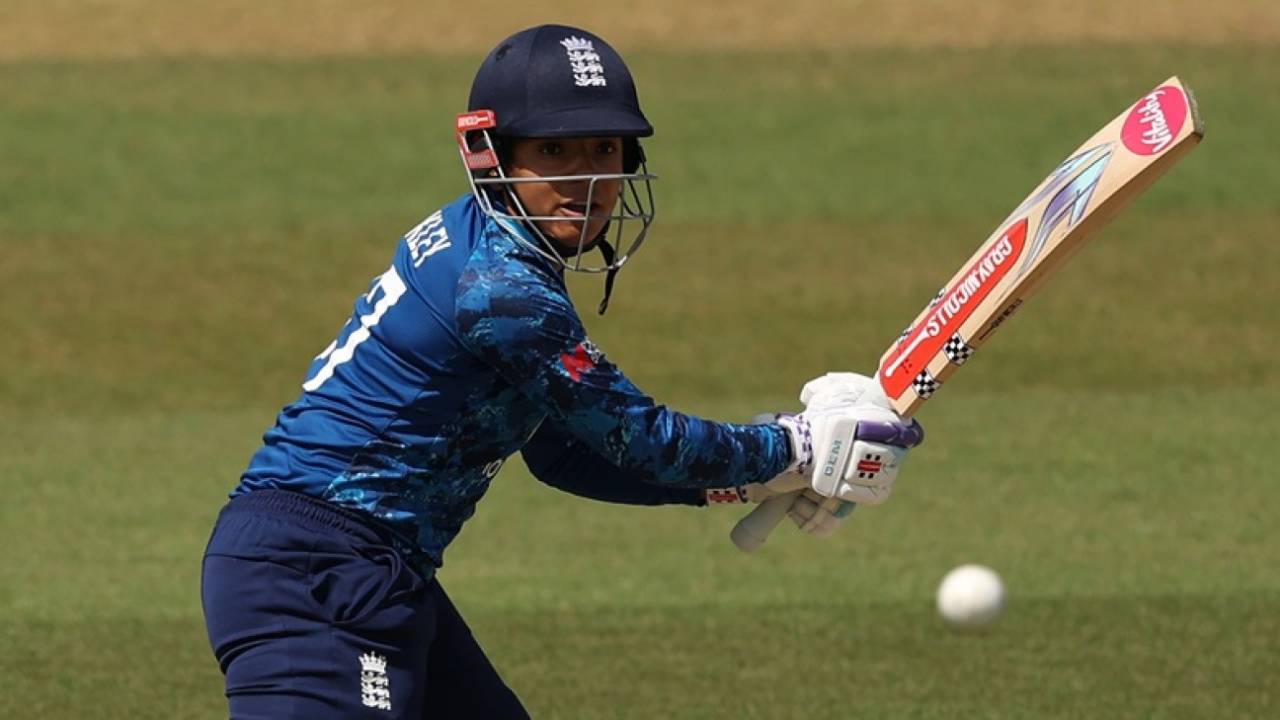
The biggest headline heading into this fixture is undoubtedly the squad management for England. Following the unfortunate news that captain Nat Sciver-Brunt has been ruled out due to a calf muscle injury—an issue she aggravated during England’s recent victory over Ireland in Southampton—the team management was forced into a crucial reshuffle. Consequently, Scotland bowl, England pick Dunkely to replace injured Sciver-Brunt. Sophia Dunkley steps into the playing XI at the No. 3 position, marking her first appearance in the tournament. This tactical change adds a new dimension to England’s batting lineup as they look to maintain their momentum.
With Sciver-Brunt sidelined, the leadership duties fall once again to Charlie Dean. Dean has proven her mettle in this role previously, having captained the side during the high-pressure series against New Zealand and India leading up to this ICC event. Her experience in managing the side during periods of transition will be vital as England navigates this tournament without one of their most influential players.
Scotland’s Selection Dilemma
On the other side of the pitch, Scotland’s captain, Kathryn Bryce, revealed at the toss that her side is navigating its own set of injury concerns. The Scottish camp has opted for two strategic changes to their lineup in search of a winning formula. Pippa Sproul enters the squad in place of Ailsa Lister, who had shown promising form as Scotland’s second-highest run-scorer in their narrow defeat to the West Indies. Additionally, the team has shuffled its bowling attack, with right-arm medium pacer Hannah Rainey coming in for left-arm seamer Rachel Slater, who had been impressively economical in their previous outing.
The Importance of the Toss
The decision by Scotland to field first suggests a strategic play to utilize the early conditions. With a fresh pitch prepared under near-perfect weather, the bowlers will be looking to capitalize on any early movement. Both teams understand that this match is critical for their standing in the group, and the ability to adapt to the changing nature of the surface will be the defining factor of the day.
Confirmed Playing XIs
Both teams have finalized their lineups for this crucial match:
- Scotland: Darcey Carter, Katherine Fraser, Kathryn Bryce (capt), Sarah Bryce (wk), Megan McColl, Priyanaz Chatterji, Pippa Sproul, Kirstie Gordon, Chloe Abel, Hannah Rainey, Gabriella Fontenla.
- England: Amy Jones (wk), Danni Wyatt-Hodge, Sophia Dunkley, Alice Capsey, Heather Knight, Freya Kemp, Dani Gibson, Charlie Dean (capt), Sophie Ecclestone, Linsey Smith, Lauren Bell.
As the players take the field, all eyes will be on how Dunkley settles into the batting order and how Scotland’s bowlers exploit the conditions. With the stakes high, every run and every wicket will count toward the final outcome in this exciting tournament clash. The atmosphere at Headingley is electric, and the match promises to be a showcase of talent and resilience from both sides.