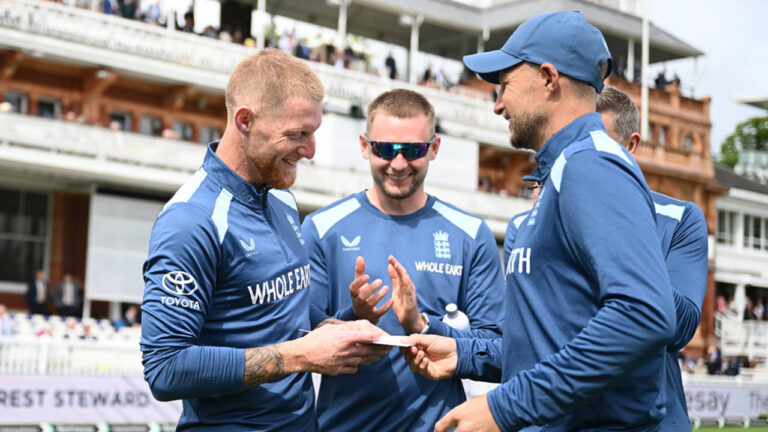
Rex Rooms, the reckoning: What happens next after curfew-gate?
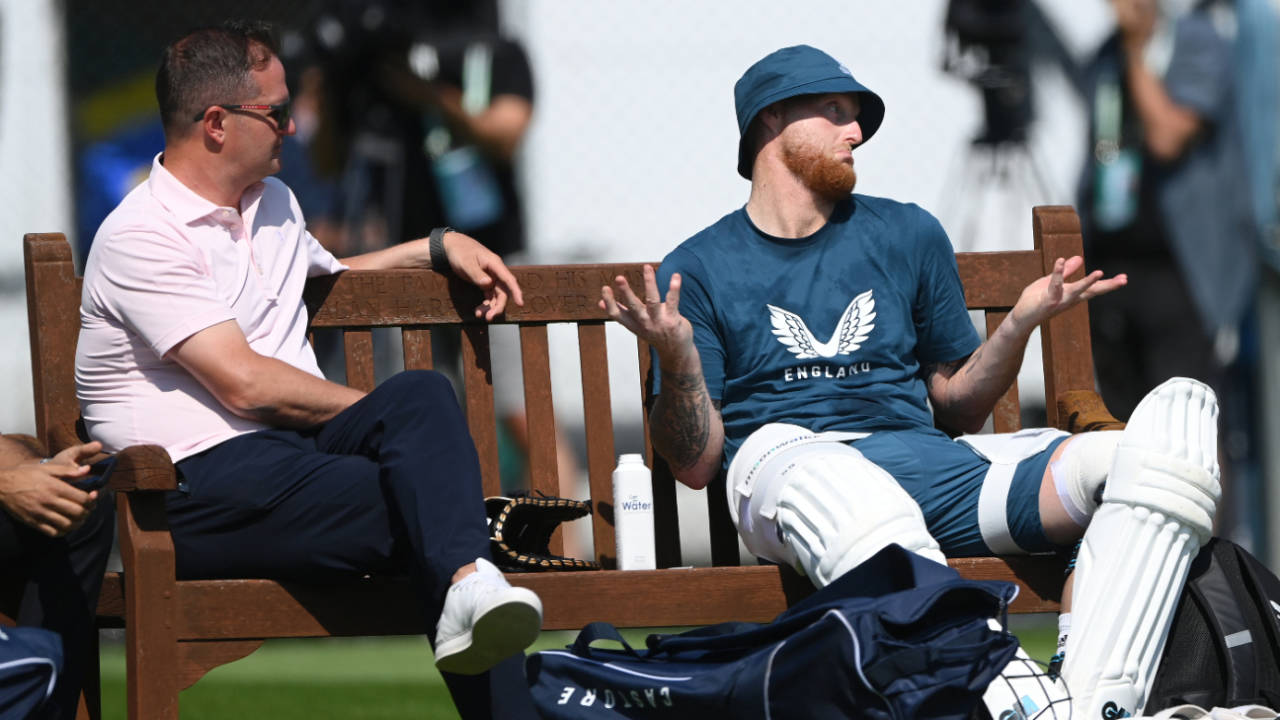
The Aftermath of a Night Out
Two turbulent weeks in English cricket have reached a form of resolution. On Sunday evening, the cloud of uncertainty hanging over the England squad finally lifted as Ben Stokes and Gus Atkinson were cleared of serious wrongdoing. Both players were named in the 15-man squad for the pivotal third Test against New Zealand at Trent Bridge. However, the path to this point was paved with confusion, public scrutiny, and internal tension. As we analyze Rex Rooms, the reckoning: What happens next after curfew-gate?, we must look at how this incident unfolded and the lingering questions that remain for the ECB.
The Events at Rex Rooms
The controversy originated on the night of June 7. Following their victory in the first Test at Lord’s, several England players celebrated in the changing rooms before heading to venues near their team hotel in west London. Ben Stokes and Gus Atkinson extended their evening by visiting the Rex Rooms nightclub in Chelsea, remaining well past the designated midnight team curfew. They were accompanied by James Shaw, a member of the ECB security detail.
The night took a dark turn with two distinct incidents. Inside and outside the venue, confrontations occurred. Notably, Atkinson was involved in an altercation with Totoa Auvaa, a Saracens academy rugby player. During the melee, Shaw was struck in the face, sustaining injuries that required stitches, which forced him to step away from his duties during the second Test at The Oval.
Management’s Reaction: Disbelief and Anger
The response from the England hierarchy was swift and severe. Rob Key, the managing director, described feeling a “sinking feeling” followed by “disbelief” and “anger.” The gravity of the situation was compounded by the fact that it involved Ben Stokes, a player deeply invested in the team’s cultural transformation. Key notably hesitated to confirm Stokes would return as captain, leaving the leadership role to Joe Root for the second Test.
Head coach Brendon McCullum expressed similar sentiments, moving from bewilderment to genuine concern for his captain. The silence from management regarding Stokes’ future during the investigation was telling, reflecting the severity with which the ECB viewed the breach of protocol.
Dual Investigations and Findings
Two separate bodies investigated the events: an internal ECB disciplinary hearing and an independent review by the Cricket Regulator. The Regulator, established in 2023 to monitor compliance, scrutinized whether the players had provoked the nightclub altercations. On Sunday, the ECB confirmed that while Stokes and Atkinson had breached contractual obligations regarding conduct, they were absolved of any blame for the “violent conduct” at the club. The findings explicitly stated that Atkinson was the victim of unprovoked attacks, and Stokes was not involved in the altercation.
Ultimately, the players received backdated one-match suspensions—having already missed the second Test—and formal written warnings. The Cricket Regulator, finding no evidence of provocation or rule-breaking related to the fight itself, determined there was no case to answer on that front.
The Curfew Controversy
Perhaps the most baffling element of this saga is the confusion surrounding the team’s curfew. While the curfew has been a consistent requirement since the post-Ashes period, the enforcement mechanism proved to be a source of ambiguity. Rob Key revealed that Atkinson claimed to be unaware of the rule, an excuse met with skepticism given Stokes’ role in establishing these very standards. McCullum, who had previously maintained that the curfew was “constantly” referenced in the dressing room, admitted on Sunday that the lack of a “hard, factual blueprint” for these rules necessitated more formal documentation moving forward.
Looking Ahead to Trent Bridge
As England heads to Nottingham for the winner-takes-all third Test, the focus shifts to performance. The return of Stokes and Atkinson, alongside others who missed the previous match, provides a necessary boost to the playing XI. A series victory would provide a much-needed morale boost, yet it will not mask the underlying issues. The relationship between McCullum and Stokes, the architects of the current England setup, will require careful mending. Furthermore, the team faces a precarious reality: should they fail to secure a series win, the “stability” they have championed may quickly be viewed as the very cause of their current instability. The pressure is on, and all eyes will be on Trent Bridge to see if the team can move past the shadow of Rex Rooms.