IPL 2026 Final Behind Closed Doors? Government Energy Crisis Sparks Debate
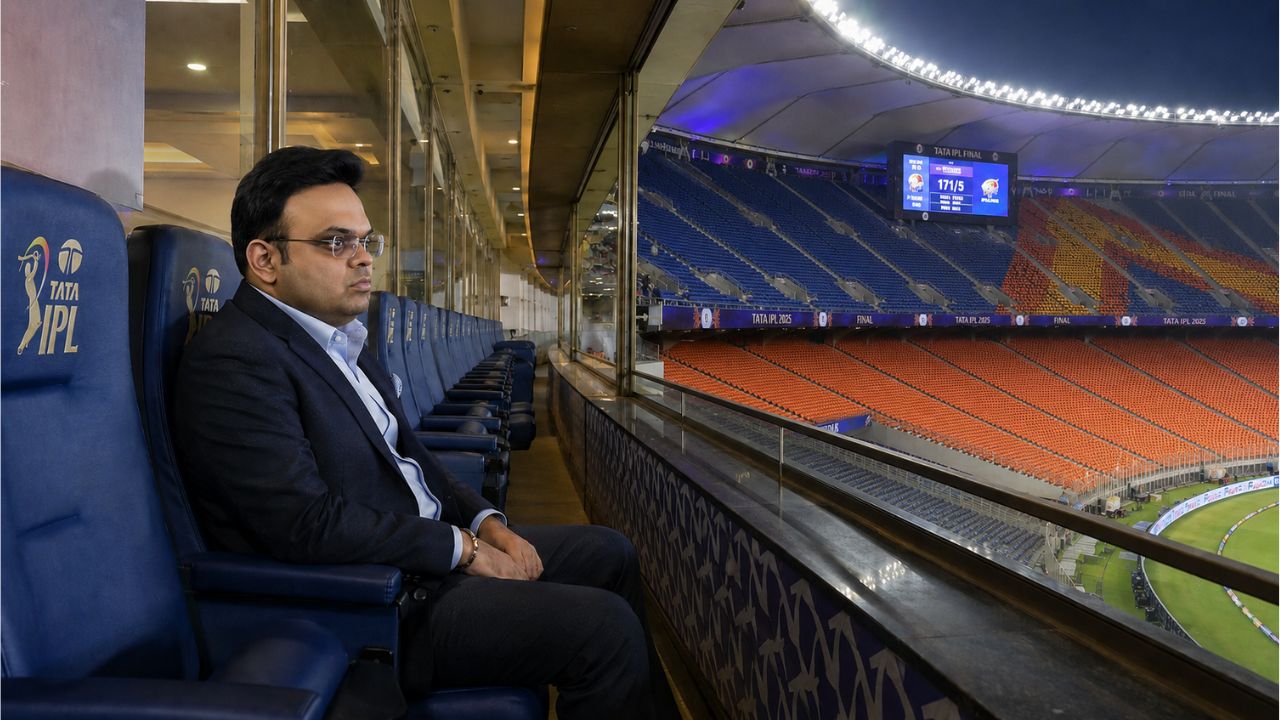
The Shadow Over the IPL 2026 Final
The Indian Premier League (IPL) is undoubtedly the crown jewel of Indian sports, a massive spectacle that captivates millions. However, as the 2026 season approaches its business end, a dark cloud of uncertainty looms over the playoffs and the grand final scheduled for the Narendra Modi Stadium in Ahmedabad. Emerging geopolitical tensions and an urgent national call for energy conservation have sparked speculation that the tournament’s climax could potentially be played behind closed doors.

Government Directives and BCCI Accountability
The conversation surrounding the potential restriction of the IPL stems from wider national priorities. Following Prime Minister Narendra Modi’s public appeal on May 10, 2026, during a rally in Sikandarabad, there has been a renewed emphasis on nationwide fuel conservation and energy saving. Because the IPL involves a significant amount of inter-city air and road travel for teams, staff, and logistics, it has come under the scrutiny of advocacy groups.
IPL Chairman Arun Dhumal has maintained a stance of total cooperation. Addressing the speculation, Dhumal confirmed that while the BCCI has not received any formal communication from the government regarding the tournament, the board remains fully accountable. “So far, there has not been any communication to the BCCI to my knowledge. Independent agencies might have their views on certain things, but we are accountable to the Government of India. If anything comes from the government, we will look into it and certainly adhere to the directions,” Dhumal noted in a recent interview.
The Call for Conservation
The push for a change in operations is led by voices like CTI Chairman Brijesh Goyal, who has urged Sports Minister Mansukh Mandaviya to reconsider the tournament schedule. Goyal argues that the sheer frequency of travel required by the current format places an unnecessary burden on national fuel reserves. He suggests that minimizing air travel and hosting matches without spectators at limited venues could save millions of liters of fuel, mirroring strategies implemented during the COVID-19 pandemic.
Learning from International Precedents
The comparison to international crises is unavoidable. When Pakistan previously faced a severe energy crisis, its domestic league was forced to restrict matches to only two venues to minimize the carbon footprint and fuel consumption. Similarly, the Pakistan Super League once operated behind closed doors due to non-essential movement advisories. These precedents have led many to wonder if India might adopt a similar framework to align with Prime Minister Modi’s call for energy efficiency.
What Awaits Fans and Stakeholders?
Should the government mandate tighter restrictions, the most likely outcome is that the remaining matches—including the high-stakes playoffs and the final—would be held in empty stadiums. While this would be a significant blow to the fan experience, the matches would still proceed, ensuring they are broadcast live to television and streaming audiences, thereby maintaining the tournament’s commercial viability while addressing national concerns.
As of now, the BCCI is keeping a watchful eye on the situation. No official changes have been made to the schedule, and organizers are expected to monitor government directives closely as the final matches approach. For now, the cricketing world waits for a final decision that balances the spirit of the game with the needs of the nation.