Ravindra Jadeja’s Departure from CSK: Captaincy Ambitions and the Rajasthan Royals Connection
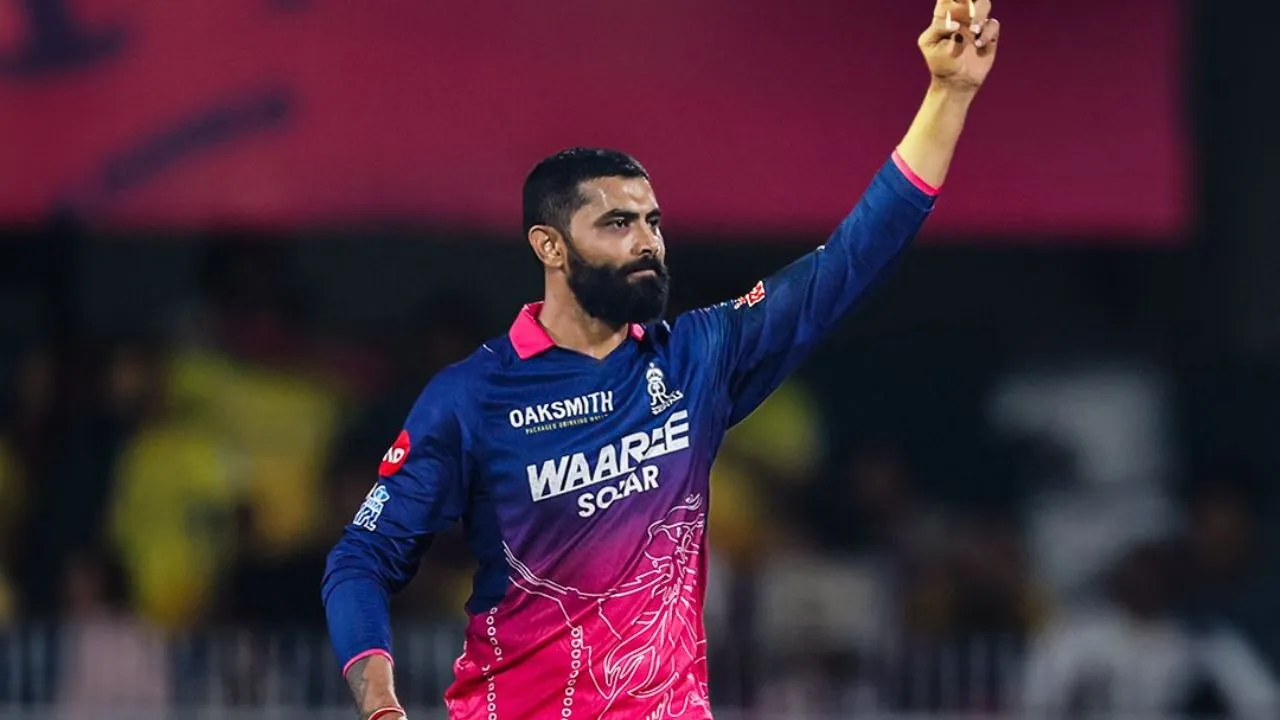
The Shocking Trade: Jadeja Heads to Rajasthan
The landscape of the Indian Premier League (IPL) shifted dramatically before the start of the 2026 season. Ravindra Jadeja, a stalwart of the Chennai Super Kings (CSK) for over a decade, finalized a move to the Rajasthan Royals (RR) in a trade that left fans and analysts questioning the motive. After 12 glorious years in yellow, where he helped secure three IPL titles, Jadeja’s departure marked the end of an era.
The Mechanics of the Move
The trade was part of a broader restructuring involving multiple franchises. In a high-stakes swap, Jadeja and Sam Curran were moved to the Rajasthan Royals in exchange for wicketkeeper-batter Sanju Samson. Samson, who had been the face of RR since 2021, had sought an exit following an injury-plagued 2025 season. Interestingly, the transition also involved a financial adjustment, with Jadeja’s salary moving from Rs. 18 crore down to Rs. 14 crore.
Captaincy Ambitions: The Hidden Driver?
According to a report by CricBlogger, the driving force behind Jadeja’s exit was not performance-related, but rather his burning ambition to lead a franchise. The report suggests that Jadeja had expressed interest in the captaincy role to his inner circle. When the CSK management caught wind of these aspirations, the dynamic between the team and the player shifted, ultimately facilitating his departure.
This narrative is particularly intriguing given the context of RR’s leadership crisis. During the 2025 season, while Samson was sidelined with injury, the team struggled under Riyan Parag’s leadership, finishing ninth on the points table. Following Samson’s exit, the RR management evaluated several candidates for the captaincy, including Yashasvi Jaiswal and Jadeja, before ultimately settling on Parag.
A Return to His Roots
For Jadeja, the move to Rajasthan represents a full circle. It was at RR in 2008 where his IPL journey began, and it was the legendary Shane Warne who famously dubbed him ‘Rockstar’ during that inaugural winning campaign. Returning to his first home could have been seen as a homecoming, yet the circumstances surrounding his move remain a subject of intense debate.
The CSK Perspective and Dhoni’s Stance
The connection between Jadeja and MS Dhoni has long been a focal point of CSK’s culture. Even as Dhoni transitioned away from official captaincy, his influence remains absolute. Reports indicate that the legendary wicketkeeper-batter was not fully informed about the trade and was reportedly unhappy with the management’s decision to let such a key contributor go.
History, however, provides context to the management’s hesitation regarding Jadeja as a leader. In 2022, after taking over the captaincy from Dhoni, Jadeja’s tenure was short-lived. CSK managed only two wins in their first eight games, leading to an mid-season change in leadership. Following that, the franchise saw a resurgence in 2023, where Jadeja played a heroic, match-winning role in the final, highlighting his value as a player rather than a captain.
Performance and Future Outlook
Currently, Jadeja continues to maintain his reputation as one of the most economical bowlers in the format. While his wicket tally in the 2026 season—8 wickets in 11 matches—might seem modest, his ability to control the flow of runs remains a massive asset. Whether the move to Rajasthan will satisfy his long-term goal of captaincy or if the team will continue to back Riyan Parag remains to be seen. What is clear is that the departure of such an iconic figure from the CSK setup highlights how quickly the tides can turn in the cut-throat world of the IPL.