Rohit Sharma’s 2027 World Cup Prospects: Future of Indian ODI Cricket
A New Chapter for Indian Cricket
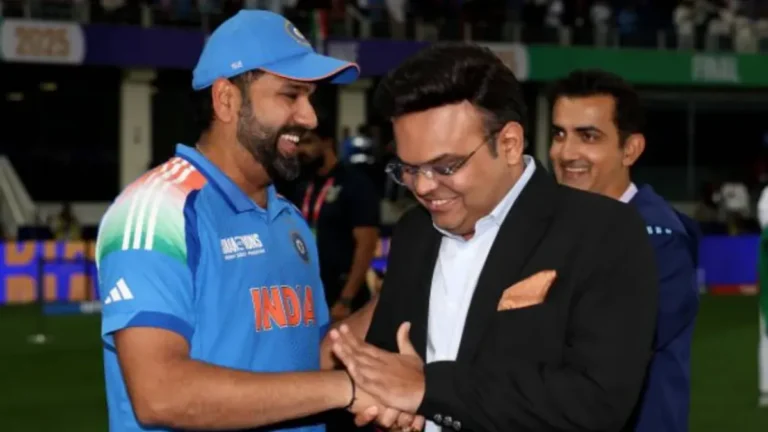
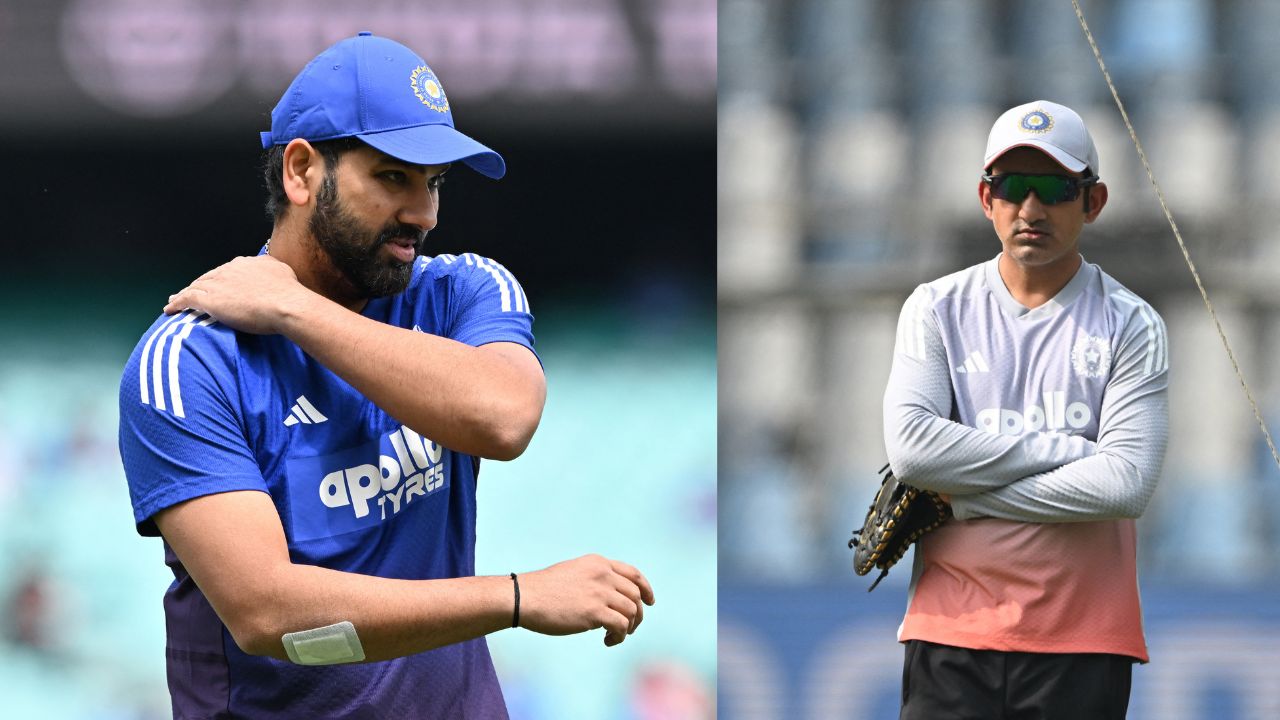
The landscape of Indian cricket is shifting rapidly as the BCCI turns its gaze toward the 2027 World Cup. Following the announcement of the squad for the upcoming bilateral series against Afghanistan, it has become evident that the selectors are prioritizing a mix of experience and emerging talent to build a team capable of reclaiming global glory. Among the primary talking points, the inclusion of veteran Rohit Sharma has ignited intense speculation regarding his future in the ODI format.
The Afghanistan Series: A Tactical Selection
India is set to host Afghanistan for a one-off Test match and a three-match ODI series immediately following the conclusion of IPL 2025. While the Test squad remains largely stable, the ODI roster reflects the board’s intent to test new blood. The inclusion of Rohit Sharma and Hardik Pandya, both listed under the ‘subject to fitness’ category, indicates that the team management is treading carefully regarding the physical longevity of its senior leaders.
In a bold move, the selectors have introduced an inexperienced but promising bowling attack. The addition of Prince Yadav, Harsh Dubey, and Gurnoor Brar to the squad signifies a clear desire to groom domestic standouts for the international stage. These players, who have impressed significantly during IPL and domestic circuits, join a bowling unit that features the likes of Arshdeep Singh, Prasidh Krishna, Washington Sundar, and Kuldeep Yadav.
Is the 2027 World Cup Beyond Rohit Sharma?
Perhaps the most significant development following the squad announcement is the emerging consensus that Rohit Sharma may not feature in India’s long-term plans for the 2027 World Cup. Reports from seasoned journalists suggest that the upcoming ODI series against England will be a critical juncture for the former captain. If these reports hold weight, it implies that the selectors are proactively looking to transition toward a younger core.
Potential replacements for the opening slot are already being discussed, with talents like Yashasvi Jaiswal and Ruturaj Gaikwad emerging as the frontrunners to anchor the innings for years to come. Ishan Kishan, who has been brought back into the fold as a backup keeper and opening option, also remains a vital part of this strategic conversation.
A Legacy of Resilience
Despite the speculation surrounding his future, one cannot ignore the resilience Rohit Sharma has shown throughout his career. During IPL 2026, the 39-year-old battled a persistent hamstring injury that sidelined him for half the season. Yet, when he did play, he remained a formidable force. Scoring 283 runs in 8 innings at a strike rate of 160.80, his statistical output remains elite. His ability to perform consistently in the Vijay Hazare Trophy further underscores that he still possesses the skill and hunger to dominate at the highest level.
However, the transition from current performance to long-term sustainability is a difficult path for any player. The BCCI meeting held prior to the Afghanistan announcement reportedly highlighted fitness as the paramount indicator for team selection, suggesting that the era of relying on seniority alone has passed.
The Road Ahead
The current India ODI squad for the Afghanistan series is as follows: Shubman Gill (c), Rohit Sharma (subject to fitness), Virat Kohli, Shreyas Iyer (vc), KL Rahul (wk), Ishan Kishan (wk), Hardik Pandya (subject to fitness), Nitish Kumar Reddy, Washington Sundar, Kuldeep Yadav, Arshdeep Singh, Prasidh Krishna, Prince Yadav, Gurnoor Brar, and Harsh Dubey.
As the Men in Blue prepare for the challenges ahead, the focus remains on finding the right balance. Whether Rohit Sharma continues to lead the charge or gracefully exits to make room for the next generation, the transition marks a pivotal moment for Indian cricket. With the England tour looming on the horizon, fans and analysts alike will be watching closely to see how the team management balances the respect for legends with the necessity of future-proofing the squad for the 2027 World Cup.