Evolution of Batting: How Modern Cricket and IPL 2026 Shifted Strike Rates

The Changing Face of Cricket Batting
Over the past three decades, cricket has undergone a seismic shift in how the game is played and perceived. At the heart of this transformation lies a single, vital metric: the batting strike rate. Measuring the number of runs scored per 100 balls faced, the strike rate has evolved from a secondary statistic into the primary indicator of modern cricketing intent. As we navigate the landscape of IPL 2026, the contrast between the patient, calculated batting styles of the 1990s and today’s aggressive power-hitting era has never been more apparent.
From Caution to Acceleration: A Historical Perspective
To understand the current state of the game, one must look at the trajectory of strike rates. Back in the 1980s, an average strike rate of 66 was considered standard. By the 2010s, that figure had climbed above 80. This rise reflects a fundamental change in philosophy: where previous generations prioritized the preservation of wickets and gradual accumulation, modern cricket demands consistent acceleration and an unrelenting attacking intent.
Test Cricket: Redefining Patience
Perhaps the most fascinating evolution has occurred in the longest format of the game. Test cricket, once defined by drawn matches and defensive stalemates, has become remarkably dynamic. Modern batters are increasingly comfortable taking calculated risks, shifting the focus from simple survival to controlling the match’s momentum. Strike rates that once languished in the low 40s have crossed into the 50s, a development that has significantly increased the frequency of decisive match results and heightened fan engagement.
ODI Cricket and the Middle-Over Revolution
One Day International cricket has transformed into a strategic exercise in efficiency. Two decades ago, average strike rates in ODIs sat in the low 70s; today, it is common to see teams operating consistently above 90. The most critical tactical change has been the approach to middle overs. Instead of reserving wickets for a frantic final-over assault, modern sides maintain pressure on bowlers from the very first ball, reshaping team selection and chase planning in the process.
The T20 Effect and IPL 2026
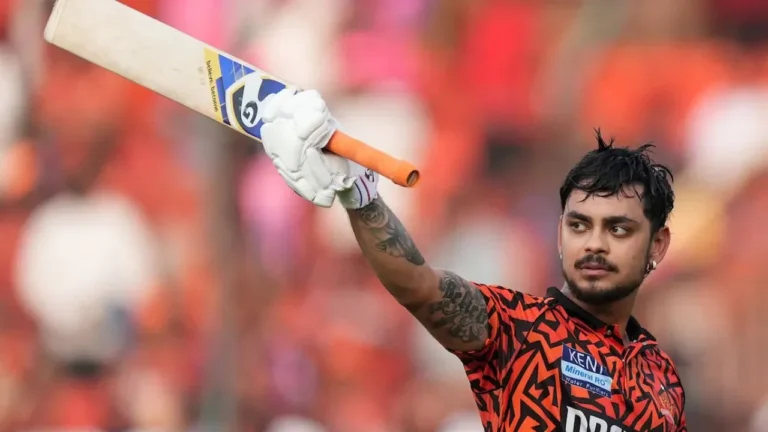
The rise of T20 cricket, and the Indian Premier League in particular, acted as the primary catalyst for this revolution. In the current IPL 2026 season, strike rates exceeding 150 are the baseline for success. Innovative shot selection—once considered a rarity—is now an essential skill for any top-order batter. The game has become a contest of powerplay domination and death-over efficiency, where matches are won or lost in mere fractions of the game.
Data, Technology, and Equipment
This evolution is not merely a product of intent; it is supported by a sophisticated ecosystem of technology and data analytics. Teams now utilize granular data to identify scoring zones, analyze bowling matchups, and track batting trends in real-time. Furthermore, modern equipment—including lighter bats and advanced protective gear—has empowered batters to play with greater freedom. Even the Decision Review System (DRS) has played its part, providing batters with the confidence to attack without the constant fear of marginal dismissals.
The Role of Iconic Players
While technology and data provide the framework, certain individuals have defined the era. Legends like Viv Richards pioneered aggressive batting long before it became a standard, while innovators like AB de Villiers redefined the possibilities of 360-degree stroke play. Today, stars like Virat Kohli and Jos Buttler continue to bridge the gap between consistency and explosive power, setting the standard for the modern game.
Conclusion
The journey from the cautious batting of the 1990s to the fearless, high-scoring era of IPL 2026 highlights a sport that refuses to stand still. By successfully adapting to modern entertainment demands while maintaining its inherent competitive depth, cricket remains more engaging than ever. Strike rates are no longer just numbers on a spreadsheet; they represent the evolving soul of the sport—a narrative of intent, momentum, and the constant pursuit of excellence.