“He doesn’t have the same juice” – Ambati Rayudu raises concerns over Arshdeep S
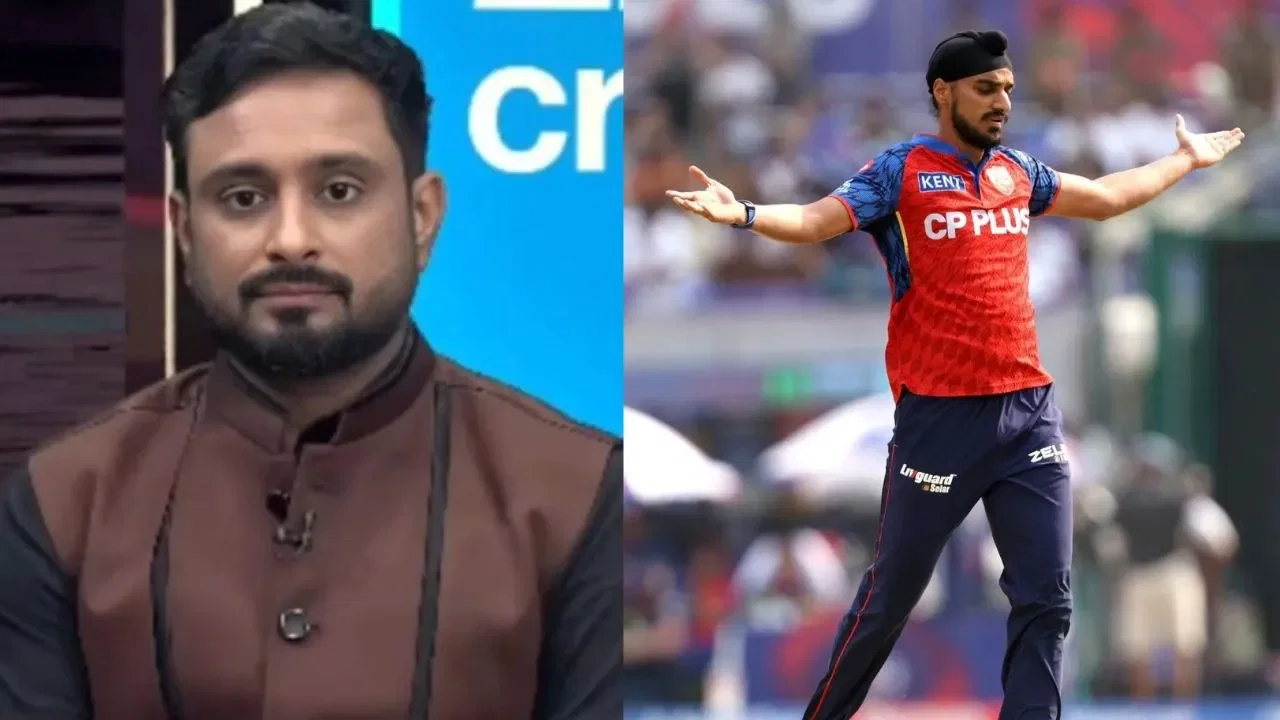
The Indian Premier League (IPL) is a relentless tournament where even the most experienced international bowlers can find themselves under immense pressure. For Punjab Kings (PBKS) spearhead Arshdeep Singh, the current season has highlighted the intense physical and mental demands of modern-day cricket. Following another tough outing on the field, former India batter and six-time IPL champion Ambati Rayudu raised concerns regarding the left-arm pacer’s current physical state, bowling lengths, and overall execution.
The Ekana Outing: A Tough Night for Arshdeep Singh
Despite Punjab Kings breaking their dismal six-match losing streak with a comprehensive seven-wicket victory over the Lucknow Super Giants (LSG) at the Ekana Cricket Stadium, Arshdeep’s individual performance remained a major talking point. Chasing a competitive target of 197 runs, the Shreyas Iyer-led PBKS chased it down with two overs to spare. However, Arshdeep’s contribution to the bowling effort was one he would quickly want to forget.
The left-arm seamer was taken to the cleaners by the LSG batters, leaking 52 runs in his three overs without taking a single wicket. Operating at an alarming economy rate of 17.33, Arshdeep was so expensive that his captain chose not to trust him with his final over. It was a clear indication of a bowler struggling for rhythm, precision, and confidence on the pitch.
Rayudu’s Tactical Critique: Ditching the Short Ball
Speaking on Arshdeep’s recent dip in form, Ambati Rayudu pointed out that physical fatigue is directly impacting his decision-making and execution. Rayudu believes that Arshdeep lacks the necessary physical energy to bowl effective short deliveries and must compensate by pitching the ball further up.According to Rayudu, bowling short without the necessary pace and zip is a recipe for disaster in the IPL. He urged the young bowler to quickly adjust his lengths:
“He should be mindful of that because his short ball, he doesn’t have a great bouncer at the moment, maybe because of his body being tired or he doesn’t have the same juice as what he did a few months back. But he definitely has to compensate. If he has to overcompensate, he needs to be full.”
Rayudu further emphasized that Arshdeep’s strength lies in searching for swing early on and nailing yorkers at the death, rather than relying on halfway-down-the-pitch deliveries.
“I just think his lengths [are the problem]. He’s not someone who should be bowling a lot of short deliveries. Even in the death, he should be bowling yorkers. And even with the new ball, whenever he has bowled full, except for the first ball which was driven through the covers, I don’t think his fuller balls went for so many runs as much as the short of length deliveries or the short ball,” Rayudu added.
Why the Fuller Length is Crucial for Left-Arm Fast Bowlers
For a left-arm seamer, the ability to swing the ball back into the right-hander or take it away from the left-handed batter is their primary weapon. When a bowler of Arshdeep’s profile drops their length back, they immediately lose the capability to extract lateral movement. At his best, Arshdeep relies on late swing to deceive batsmen in the powerplay. By dropping his length short, he gives batsmen ample time to read the trajectory and pull or cut him with ease.
Furthermore, without the physical explosive energy required to bowl a sharp, menacing bouncer, his short-pitched deliveries become sitting ducks. This explains why he has been severely punished in the middle and death overs. If he cannot rely on raw pace to hurry the batsman, returning to a fuller, swing-seeking length or executing pinpoint yorkers is his only viable route back to efficiency.
Analyzing the Stats: Leading Wicket-Taker but Highly Expensive
While Arshdeep Singh remains the leading wicket-taker for Punjab Kings this season with 14 scalps, the underlying numbers paint a worrying picture of inconsistency. Over the course of 14 matches, he has conceded a staggering 541 runs—the highest by any bowler in the tournament.
An economy rate of 10.20 is highly uncharacteristic for a bowler of Arshdeep’s caliber, especially one who has established himself as a regular in India’s national setup. The combination of bowling too short and struggling to execute yorkers at the death has made him an easy target for power-hitters across franchises.
Mark Boucher Defends the Left-Arm Pacer
While critics have been vocal about his struggles, former South African wicketkeeper-batter Mark Boucher came to Arshdeep’s defense, highlighting the immense physical toll of modern-day cricket. Boucher argued that Arshdeep’s current slump is not a reflection of a decline in skill or talent, but rather a natural consequence of a relentless playing schedule.
“I think it’s just being tired [after the T20 World Cup] and this month being the IPL, and he had to play in this. That’s the reason why he’s like that. I don’t think it’s got anything to do with his skill or his talent. At some stage, it [the fatigue] has to catch up with the players. It’s just, it’s natural,” Boucher explained.
With the T20 World Cup and subsequent bilateral series demanding high intensity, fast bowlers have borne the brunt of the workload. Arshdeep, who has been a mainstay in India’s limited-overs plans, appears to be feeling the effects of this continuous cricket.
The Struggle with Discipline and Wides
Beyond the runs conceded, Arshdeep’s control has also deserted him in crucial moments. During the victory against Lucknow, he struggled significantly with his line, bowling four wides. This took his total wide tally for the season to 28.
He is now perilously close to eclipsing Matheesha Pathirana’s unwanted record of 32 wides in a single IPL edition. For Punjab Kings to build on their latest win and find stability in future tournaments, helping Arshdeep rediscover his discipline and physical freshness will be paramount.