Controversy Erupts as Brothers Union boycott DPL match over unpaid salaries
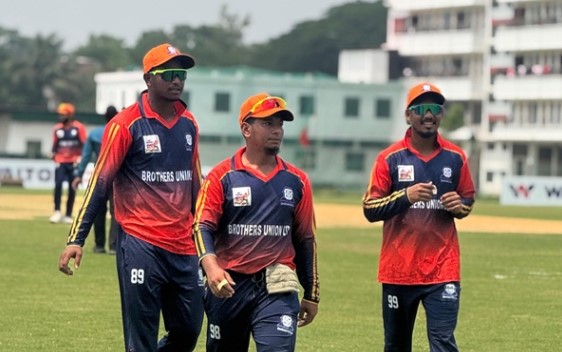
Brothers Union Boycott DPL Match Over Unpaid Salaries: A Deep Dive into the Controversy
The Dhaka Premier League (DPL), a cornerstone of Bangladesh’s domestic cricket calendar, was thrust into an unfortunate spotlight during its 9th round when Brothers Union players staged a complete boycott of their match against Agrani Bank Cricket Club. This drastic measure, stemming from widespread dissatisfaction over unpaid salaries, led to Agrani Bank being declared winners by default. The incident has not only sent shockwaves through the league but also reignited crucial discussions about player welfare and financial accountability in domestic sports.
The Unfolding of the Boycott
The scheduled encounter was set to take place at the picturesque BKSP Ground No. 4, a venue often buzzing with cricketing action. However, the atmosphere on this particular day was anything but ordinary. As the time for the toss approached, Brothers Union players firmly refused to take the field. Key figures within the team, including experienced campaigners like Sohag Gazi and promising talent such as Jubair Hossain Likhon, reportedly stood united in their decision not to participate. Their resolve stemmed from a deep-seated frustration over persistent delays and non-payment of their rightful dues, a situation that had evidently reached a breaking point.
With Brothers Union failing to make an appearance, match officials had no option but to adhere to the rules and declare Agrani Bank Cricket Club as the winners. This default victory marked Agrani Bank’s fifth win of the season, improving their record to five victories against four losses after nine matches. While a win is always welcome, securing it under such circumstances undoubtedly cast a shadow over their achievement.
Brothers Union’s Troubled Season Amplified
For Brothers Union, this boycott merely underscored what has already been a difficult and disappointing season. Prior to this incident, the team had endured a torrid run, managing only one victory in their first eight matches while suffering seven defeats. Such a performance record already placed them in a precarious position within the league standings. The added layer of a player boycott due to financial grievances paints a stark picture of internal struggles and managerial challenges that have plagued the club throughout the current DPL campaign. The lack of timely payments can severely impact player morale, focus, and overall performance, creating a vicious cycle of poor results and discontent.
The Root Cause: Unpaid Salaries and Player Frustration
Reports unequivocally point to unpaid salaries as the primary catalyst for the boycott. Players from Brothers Union have openly expressed their dismay, stating that they have yet to receive their full payments, even as the league progresses into its crucial latter stages. This situation is particularly galling for professional athletes who rely on their earnings for their livelihood and to support their families. The DPL is a significant platform for many cricketers, offering both financial stability and a pathway to higher honors. When fundamental commitments like salary payments are not honored, it erodes trust, professionalism, and the very spirit of the game.
The timing of the boycott, with the league nearing its climax, suggests a desperate measure by the players to draw attention to their plight. It indicates that previous attempts at resolution, if any, may have failed, leaving them with no alternative but a public protest. Such actions, while disruptive, often highlight systemic issues that require immediate and comprehensive attention from league organizers and governing bodies.
Broader Implications for the Dhaka Premier League
This incident is more than just a single match being forfeited; it raises serious questions about the financial health and regulatory oversight within the Dhaka Premier League. For a premier domestic competition, ensuring the timely payment of players is paramount for maintaining its integrity and appeal. Repeated instances of salary defaults can deter talented cricketers from participating, damage the league’s reputation, and undermine the efforts to foster a robust cricketing ecosystem in Bangladesh.
While the focus remains on Brothers Union, it prompts a wider introspection into how player contracts are managed, what safeguards are in place for athletes, and the accountability mechanisms for clubs. The Bangladesh Cricket Board (BCB) and DPL organizers will likely face pressure to address these issues comprehensively to prevent similar occurrences in the future and to reassure players about their financial security.
A Call for Accountability and Resolution
The Brothers Union boycott DPL match over unpaid salaries serves as a stark reminder that even in the competitive world of professional sports, the welfare of athletes must remain a top priority. Cricketers dedicate their lives to the sport, and in return, they expect fair and timely compensation for their hard work and commitment. This incident necessitates a swift and transparent resolution, not only for the Brothers Union players but also to set a precedent for all teams within the DPL.
Moving forward, it will be crucial for all stakeholders – clubs, players, and league management – to engage in constructive dialogue to establish clear guidelines, enforce strict compliance, and ensure that such fundamental breaches of contract do not recur. Only then can the Dhaka Premier League truly uphold its prestige and continue to be a thriving platform for Bangladeshi cricket talent.
Other DPL 9th Round Encounters
While the Brothers Union controversy dominated headlines, other matches in the 9th round proceeded as scheduled:
- Bashundhara Strikers faced Dhaka Leopards.
- Legends of Rupganj took on Abahani Limited.
- Mohammedan Sporting Club met Gazi Group Cricketers.
- Gulshan Cricket Club played City Club.
- Prime Bank Cricket Club faced Rupganj Tigers Cricket Club.