CA and states agree ‘in principle’ to BBL privatisation but hurdles remain
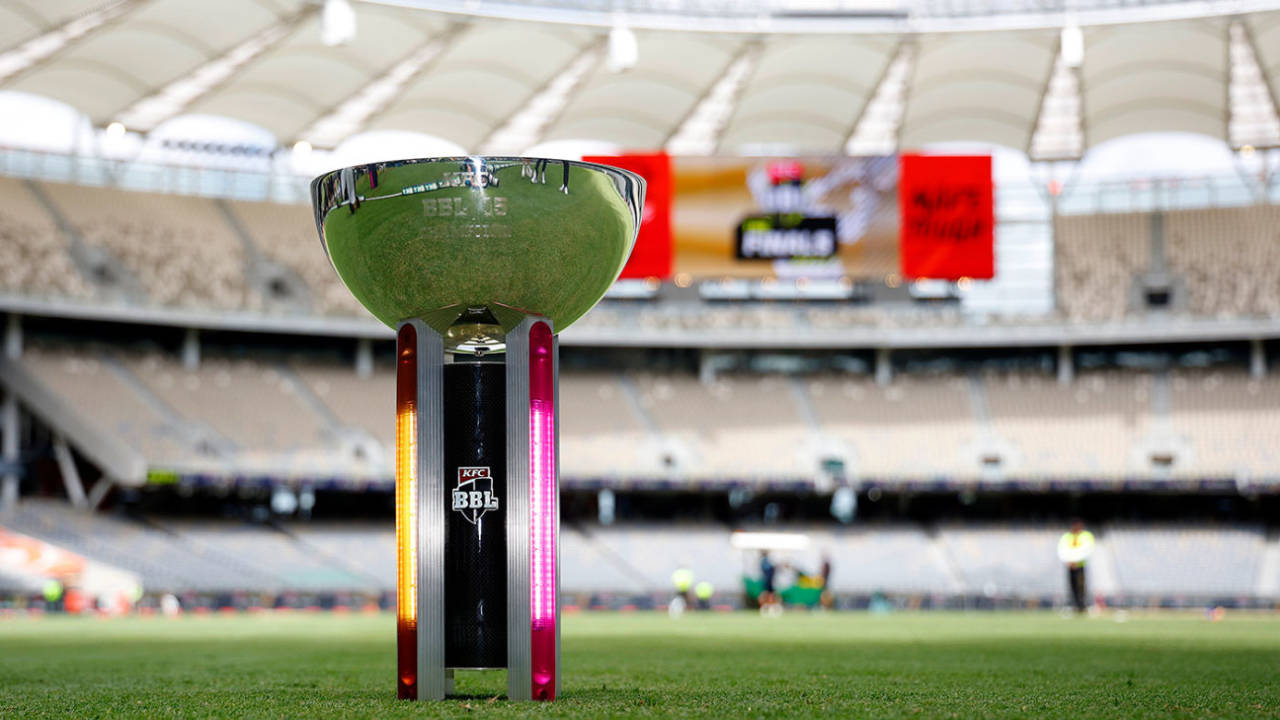
A New Chapter for the Big Bash League?
The landscape of Australian T20 cricket is shifting as Cricket Australia (CA) and the nation’s six state associations have officially reached an ‘in-principle’ agreement to pursue a self-determination model for private investment in the Big Bash League (BBL). This decision, reached during a high-level meeting at CA’s Melbourne headquarters, marks a significant milestone in a long-standing debate over the commercial future of the competition.
While this consensus signifies a major step forward, the road to implementation is far from clear. The proposal faces immediate pushback from the Australian Cricketers’ Association (ACA), which has formally declared its intent to block the current iteration of the plan.
The Path Toward Self-Determination
For the first time in the ongoing privatisation saga, all six states—including New South Wales, Queensland, and South Australia, which had previously voiced significant reservations—have aligned with the national body. The agreed-upon model allows each state the autonomy to determine their own timeline for selling stakes in their respective BBL clubs. This shift toward ‘self-determination’ addresses concerns previously raised by state chairs, particularly regarding the loss of control over their assets.
Cricket Victoria has emerged as a frontrunner in this process, having already taken the bold step of merging the administrative functions of the Melbourne Stars and the Melbourne Renegades. The ‘in-principle’ agreement provides a framework that could potentially allow Cricket Victoria to be the first to test market valuations for its club stakes, provided that specific conditions are satisfied.
Four Critical Hurdles
The path to completion is contingent upon four key requirements that must be satisfied before any transition can occur:
- Agreement on the governance structure for the new Big Bash Leagues.
- Modifications to the current Cricket Australia governance framework to accommodate the new operating model.
- A formal agreement with the Australian Cricketers’ Association regarding the mechanics of the self-determination model.
- Finalizing financial distribution and funding agreements between CA and the individual states.
The ACA Standpoint
Perhaps the most daunting challenge remains the relationship with the players. ACA CEO Paul Marsh has been clear in his communication to players, stating that the union cannot support the current model presented by CA. Following meetings between the ACA, CA CEO Todd Greenberg, and BBL boss Alistair Dobson, the tension remains palpable. The union’s primary concerns revolve around the overall handling of the privatisation process and the specific impact on Victorian players during the ongoing administrative restructuring.
Future Outlook
The complexity of these negotiations suggests that a rapid transition is unlikely. With the WBBL season looming in October and the BBL to follow in December, the immediate focus for clubs like the Melbourne Renegades may remain on caretaker administration. Despite the friction, CA Chair Mike Baird remains optimistic.
“The discussions today were very productive, and I’m pleased we have continued the momentum toward optimising the Big Bash Leagues for the benefit of the entire game,” Baird said. “We’re confident this will lead to the best possible outcome for everyone including grassroots participants, volunteers, and professional players.”
South Australia chair Will Rayner, who initially championed the move toward a self-determination model, echoed these sentiments. He emphasized that while the process is complicated, the focus remains on the long-term sustainability and sovereignty of Australian cricket. As the boards prepare to take these proposals back to their members, the sport watches closely to see if the proposed checks and balances can provide the certainty required to secure the BBL’s future.