Ferdous, Sharmin take Bangladesh past Netherlands in T20 World Cup Thriller
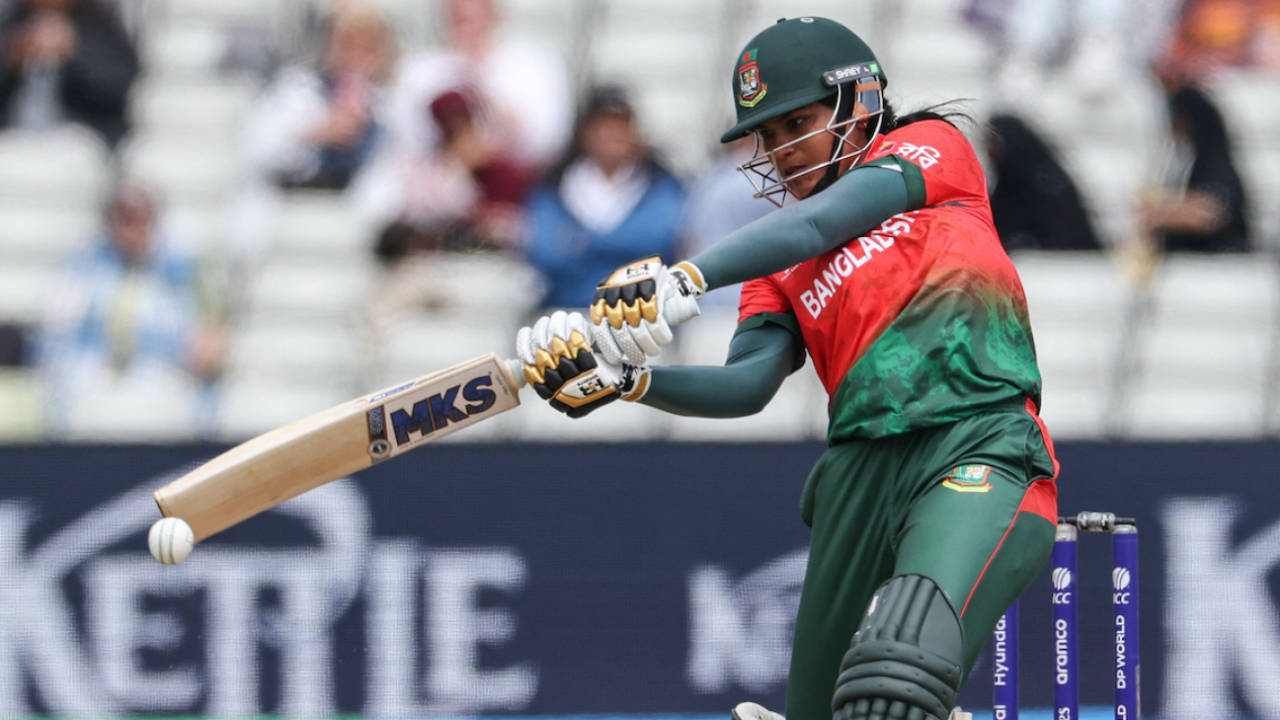
In a compelling encounter at the T20 World Cup, Bangladesh secured a hard-fought six-wicket victory over the Netherlands. The scoreline read: Bangladesh 141 for 4 (Ferdous 50, Sharmin 37*, de Lange 2-27) beat Netherlands 139 for 8 (de Leede 50, Marufa 2-31) by six wickets. This match, part of the Sunday double-header in Birmingham, saw a spirited Netherlands side, making their T20 World Cup debut, put up a dazzling display that genuinely threatened the seven-time participants, Bangladesh. The Dutch batting effort was notably led by their captain, Babette de Leede, whose impressive 45-ball half-century propelled her team to a competitive total of 139. Following this, the Netherlands bowlers mounted significant pressure, taking four wickets for just 18 runs after Bangladesh’s powerplay. However, the seasoned experience of Bangladesh ultimately prevailed, as a composed 56-run partnership off 44 balls between Shorna Akter and Sharmin Akhter guided them to a crucial win.
The match, almost a thrilling spectacle for the sparse crowd gathered at Edgbaston ahead of the much-anticipated India vs. Pakistan clash, began with the Netherlands opting to bat first. They chose the same strip where England had previously amassed 219 against Sri Lanka in the tournament opener, signaling an intent to post a substantial total. Despite their ambitious start, wickets fell at regular intervals around the anchoring presence of de Leede. Bangladesh’s pursuit of 140 was ultimately set up by opener Juairiya Ferdous, who, having made her T20I debut earlier this year, displayed a clear intent to dominate with boundaries. Her impactful innings, featuring seven fours and two sixes, laid the foundation for Bangladesh’s biggest successful chase in T20 World Cup history, a testament to her aggressive approach and precise stroke play under pressure.
Netherlands’ Early Struggles and Resilience
The Netherlands began their innings with a steady, if slightly cautious, approach. Bangladesh’s bowlers, initially searching for swing, found little assistance from the conditions. However, Marufa Akter, leading the pace attack, cleverly adapted her strategy. Utilizing the scrambled seam in the absence of conventional swing, she made the crucial breakthrough. In her fourth delivery, Marufa had Phebe Molkemboer edge behind for 11 runs, providing Bangladesh with an early advantage. At number three, captain Babette de Leede started her innings with palpable nerves, evident as Marufa beat her on her first two balls. Yet, de Leede, a player of considerable experience, quickly settled, demonstrating her composure with confident strokes that soon brought stability to the Dutch innings.
Heather Siegers contributed to the early scoring but her stay at the crease was cut short in the fifth over. She edged left-arm pace bowler Fariha Trisna behind, where Nigar Sultana took a sharp catch standing up, further denting the Netherlands’ top order. De Leede, meanwhile, could only watch as her partners struggled to build significant partnerships. The situation worsened when Sterra Kalis was stunned by a ripping first delivery from Rabeya Khan. This delivery, hitting the top of off stump at the start of the eighth over, secured Khan her 50th T20I wicket, a significant milestone for the bowler. With these setbacks, the Netherlands’ run rate began to dip alarmingly, hovering around six runs an over. The departures of Robine Rijke and Sanya Khurana in the space of just six balls after the halfway mark left the Dutch side reeling, facing the prospect of a low total.
Babette de Leede’s Anchoring Half-Century
From a precarious position of 76 for 5 after 12.1 overs, the Netherlands could easily have been dismissed for a much smaller total. However, it was Babette de Leede who took it upon herself to resurrect the innings. Displaying a remarkable blend of aggression and composure, she countered the Bangladeshi attack with well-timed drives, elegant sweeps, and confident footwork against the spinners. Her determination was evident as she moved past a run-a-ball strike rate with back-to-back fours through the covers off Sanjida Akter’s left-arm spin in the 14th over, keeping the fielders in the deep constantly busy with her relentless search for twos. De Leede then targeted Fariha Trisna, slapping her through the covers for her fifth boundary. The over proved expensive for Bangladesh, as Trisna also strayed down leg for five wides, leaking a total of 14 runs in the 16th over. This over, however, ended with the run-out of Frederique Overdijk, thanks to a direct hit from Shorna Akter, a moment of sharp fielding that kept Bangladesh in contention.
De Leede reached her eighth half-century in T20Is, and her first of the year, in the subsequent over – a vital milestone that underscored her importance to the Dutch batting line-up. Yet, her impressive innings came to an end on the very same ball, as she fell short attempting a quick second run in the death overs, again falling victim to Shorna Akter’s strong arm. Her dismissal left the Netherlands again in a bit of strife, at 115 for 7 with 21 balls still remaining. Despite this late setback, the lower order showed commendable resolve. Iris Zwilling and Silver Siegers combined effectively to propel their team to a respectable total of 139, forging an unbroken stand of 23 runs from just 17 balls, which ensured the Netherlands had a fighting chance.
Bangladesh’s Controlled Chase
Chasing 140 for victory, Bangladesh’s response was spearheaded by the dynamic Juairiya Ferdous. Her approach was clear: attack from the outset. With seven fours and two towering sixes, Ferdous dismantled the Dutch bowling attack, setting a blistering pace in the powerplay. Her aggressive intent was crucial in taking the pressure off the middle order and demonstrating Bangladesh’s capability to chase a challenging total. This fearless display from the opener ensured that Bangladesh made significant inroads into the target, establishing a strong platform despite the early loss of her opening partner.
However, the Netherlands bowlers, fueled by the fighting total and captain de Leede’s inspiring knock, were not ready to concede easily. After the initial onslaught by Ferdous, they mounted a spirited comeback, snatching four quick wickets for just 18 runs. This period of play saw Bangladesh’s momentum threatened, and the match began to lean towards a potential upset. The pressure was mounting, and the experienced Bangladeshi batting line-up needed to dig deep to navigate this tricky phase. The match was finely poised, with the Dutch sensing an opportunity to create a memorable upset on their World Cup debut.
Sharmin Akhter and Shorna Akter Steer Bangladesh Home
With the chase faltering and the Dutch bowlers gaining confidence, Bangladesh needed a calm and steady partnership to regain control. This crucial responsibility fell to Shorna Akter and Sharmin Akhter. The pair displayed remarkable composure under pressure, forging a decisive 56-run stand off 44 balls that systematically dismantled the Dutch hopes. Their partnership was a masterclass in calculated aggression and smart rotation of strike. Shorna Akter, known for her ability to accelerate, found the boundaries when needed, while Sharmin Akhter played a more anchoring role, ensuring the scoreboard kept ticking without undue risks. Their collaboration effectively absorbed the pressure exerted by the Netherlands’ bowlers and shifted the momentum decisively back in Bangladesh’s favour.
As the overs dwindled, their understanding and execution became even more vital. They ran hard between the wickets, converted ones into twos, and punished any loose deliveries, gradually whittling down the target. This steady accumulation of runs, combined with timely boundaries, ensured that Bangladesh maintained a healthy required run rate. The experience of the Bangladeshi side, which had been tested by the debutants’ spirited performance, ultimately shone through in this critical phase. The partnership culminated in Bangladesh successfully chasing down the target with six wickets in hand, a testament to their resilience and strategic play. The victory was not only a crucial two points in the tournament but also a significant morale booster, demonstrating their ability to perform under pressure and overcome unexpected challenges from emerging cricketing nations.
Conclusion: Experience Prevails Over Enthusiasm
Ultimately, Bangladesh’s experience and depth in both batting and bowling proved to be the decisive factors against a highly enthusiastic Netherlands side. While the Dutch, particularly through the efforts of captain Babette de Leede and their energetic fielding, delivered a performance that belied their debutant status, they were unable to maintain the pressure required to close out the match against a seasoned international team. This match served as a significant learning curve for the Netherlands, showcasing their potential while highlighting the areas where further development is needed to compete consistently at the highest level.
For Bangladesh, the victory, though harder fought than anticipated, provides valuable momentum for their T20 World Cup campaign. It demonstrated their ability to recover from challenging situations and relied on individual brilliance from Juairiya Ferdous and the steady hands of Sharmin Akhter and Shorna Akter to secure the win. The match was a clear reminder that in the unpredictable world of T20 cricket, no opponent can be underestimated, and every victory must be earned through consistent effort and strategic execution.