Arun Dhumal reveals why IPL players were barred from posting reels and chasing s – IPL 2026: Why BCCI Banned Players From Creating Social Media Reels
Prioritizing the Pitch Over the Profile
As the Indian Premier League (IPL) 2026 season reaches its climactic conclusion, the focus has shifted not just to the battle for the trophy, but to the governing standards of the world’s most lucrative cricket league. In a move aimed at preserving the professional integrity and security of the tournament, the Board of Control for Cricket in India (BCCI) has issued a comprehensive seven-page advisory to all franchises, effectively curbing the social media activities of players and support staff.
The Stance of the IPL Leadership
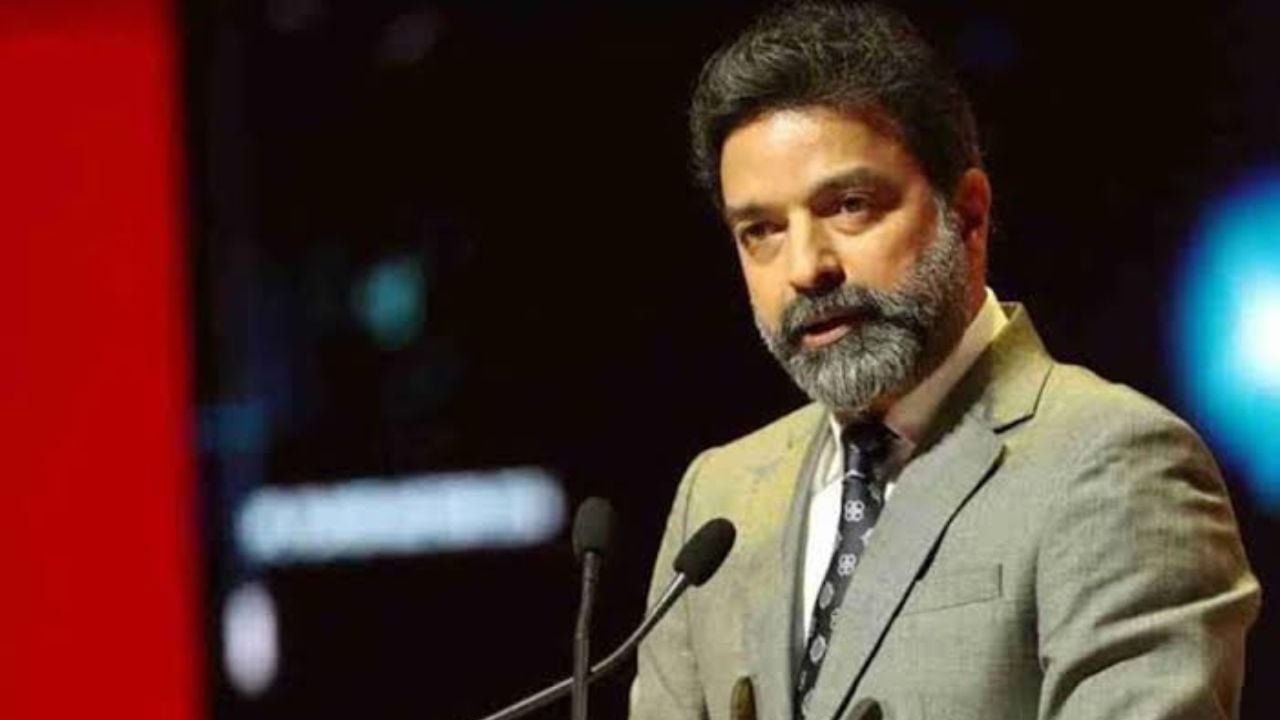
Arun Dhumal, the chairman of the IPL, recently shed light on the rationale behind this stringent directive during an interview with RevSportz. Dhumal’s message was blunt and unambiguous: a cricketer’s primary responsibility is to excel on the field, not to moonlight as a digital content creator.
“I don’t think cricketers need to be content creators. The cricketer’s job is to play good cricket. If they do so, there will be enough and more good content created about them. So they don’t need to turn into content creators and start creating reels, shorts, or other posts. It isn’t needed, and a line had to be drawn,” Dhumal asserted.
Addressing the ‘Content Creator’ Trend
The rise of short-form video platforms has transformed how athletes interact with fans. However, the line between personal engagement and professional distraction has become increasingly blurred. During the mid-phase of the 2026 campaign, instances like those involving Punjab Kings (PBKS) star Arshdeep Singh—who gained attention for his frequent Instagram reels featuring teammates—became a focal point of discussion regarding team discipline and focus.
Following the issuance of the BCCI’s regulations, such displays of social media activity have significantly subsided. The board’s intervention serves as a firm reminder that the IPL is a professional sporting environment where security and reputation are paramount.
What the Seven-Page Advisory Entails
Contrary to the perception that the board is introducing radical new rules, Dhumal explained that the advisory is largely a reinforcement of existing expectations that were seemingly being ignored or loosely interpreted.
“Most of the things we have mentioned in the seven-page letter were already there,” Dhumal noted. “If you go and see, you will know there is nothing fundamentally new that we have asked for. Rather, seeing that things weren’t being followed, we needed to reinforce every point, and that’s what was at the root of the letter. Every franchise and every player has now been reminded what is expected of them.”
Protecting the League’s Reputation
The BCCI’s move is rooted in safeguarding the brand value of the IPL. Leaked excerpts from the advisory, as reported by ESPN, highlight that certain incidents of misconduct involving players, staff, and officials had violated established protocols. The board warned that these actions, if left unchecked, pose a significant risk to the tournament’s reputation and could expose franchises to legal and security liabilities.
The advisory explicitly states: “These incidents, if left unaddressed, carry the potential to cause significant reputational harm to the tournament, the franchise concerned, and the BCCI as the governing body. They may further expose individuals and franchises to legal liability and security risks of a serious nature.”
Looking Ahead
The message to the players is clear: the privilege of playing in the IPL comes with the obligation of maintaining the highest standards of professional conduct. By mandating a reduction in social media-centric behavior, the BCCI is attempting to steer the conversation back to where it belongs—on the cricket itself. As the tournament winds down, the board’s commitment to ensuring that cricket remains the main attraction is a clear signal that the era of ‘social media fame’ being prioritized over on-field excellence is being closely monitored and regulated.
Ultimately, the IPL remains a spectacle of global proportions, and the BCCI’s directive ensures that the focus remains on the athletic achievements that have made the league a sporting phenomenon in the first place.