IPL Chair Issues ‘Football’ Culture As Biggest Threat To Cricket’s Future
A Paradigm Shift in Global Cricket
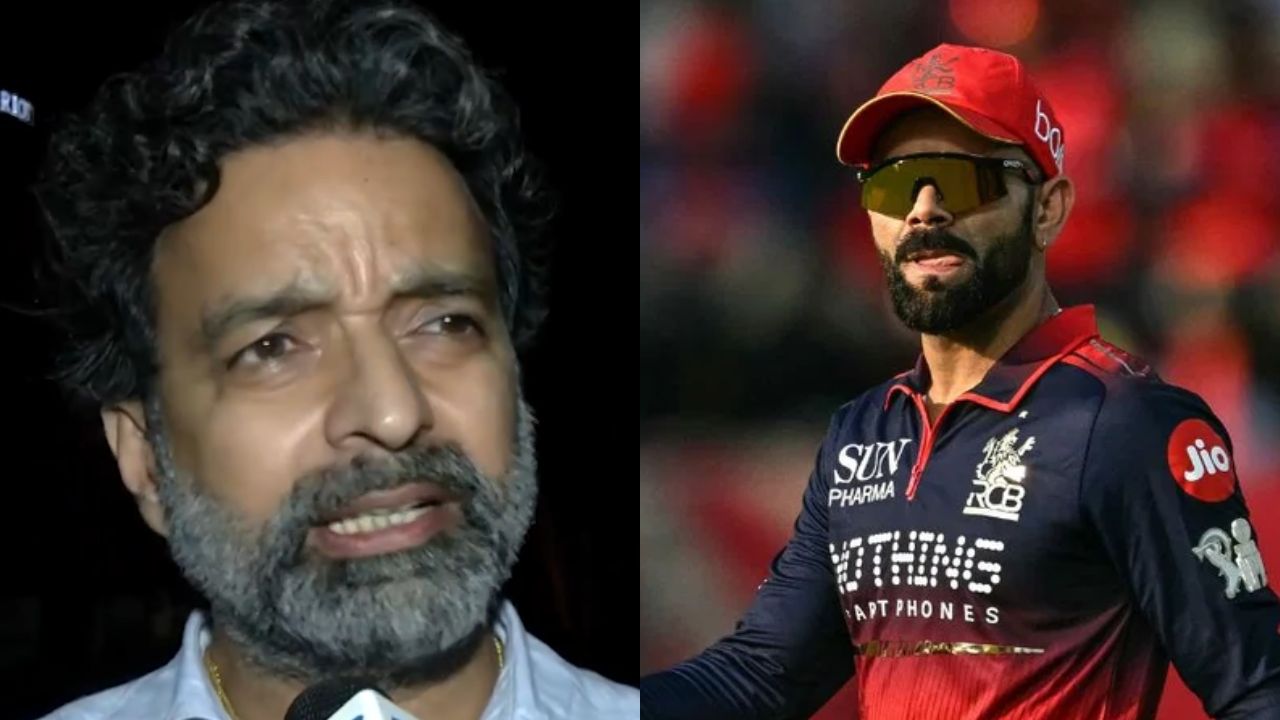
The world of cricket is currently standing at a significant crossroads. As the sport continues to evolve, Arun Dhumal, the chairperson of the Indian Premier League (IPL), has issued a stark, forward-looking warning about the trajectory of the game. He suggests that if franchise leagues continue their rapid, unchecked expansion, cricket risks mirroring the club-first structure that currently defines professional football. This shift would fundamentally change the power dynamics between domestic leagues and international representation.
The Football Comparison: A Cautionary Tale
In the world of football, the dominance of club competitions like the English Premier League, La Liga, and the UEFA Champions League is undeniable. These entities generate massive revenues, often dwarfing the financial impact of international fixtures outside of major tournaments like the World Cup. Consequently, top-tier athletes spend the vast majority of their calendars representing clubs, often prioritizing those lucrative contracts over national duty. Dhumal argues that cricket is treading a similar path, driven by the massive success of the IPL and the emergence of new, year-round circuits like the SA20, Major League Cricket, The Hundred, and the ILT20.
This shift has tangible consequences. Players from smaller cricketing nations are increasingly choosing to retire early from international commitments to become T20 freelancers. Meanwhile, fan engagement is tilting heavily toward the high-octane excitement and condensed scheduling of franchise tournaments, which often provide a level of entertainment that many bilateral international series find difficult to match in terms of intensity and spectacle.
The Financial Engine of the Sport
Dhumal emphasizes that the shift is not merely cultural but deeply financial. Broadcasters act as the most critical stakeholders in this ecosystem. Because they hold the rights for the BCCI and the IPL, they exert considerable influence on how the game is packaged. Every cricketing nation naturally seeks to host India, as these high-profile series are essential for monetization. However, as Dhumal notes, there is a limit to how much bilateral cricket can be played before the schedule becomes unsustainable.
“Money is important,” Dhumal stated during his conversation with RevSportz Global. “During the COVID period, we did our duty diligently because cricket needed to survive and grow globally. However, there is a limit to how much bilateral cricket India can play. That is why we have seen the rise of competitions such as the Big Bash, The Hundred, and SA20.”
Is Test Cricket Facing an Existential Crisis?
The primary casualty in this potential football-style transition is international bilateral Test cricket. While Test cricket retains a passionate following—evidenced by the excitement surrounding India-England series—its format is inherently demanding. A Test series requires weeks of time, physical endurance, and a specific type of fan dedication that is increasingly rare in a fast-paced digital era. Outside of marquee rivalries like The Ashes or India versus Australia, many Test matches struggle to generate the consistent revenue streams that franchise T20 matches provide.
If top cricketers continue to prioritize the financial security of league contracts over the grueling nature of the longest format, international boards will inevitably be forced to adjust. This could result in a future where the Test calendar shrinks, leaving the format accessible only to a small group of financially wealthy nations capable of underwriting the costs.
Planning for an Evolving Reality
Despite these concerns, Dhumal is not predicting an immediate doom for the game. He maintains that cricket will likely not become an exact replica of football, as its biggest spectacles—the ICC Cricket World Cup and the T20 World Cup—still attract unparalleled global interest. These events serve as the anchor for the sport’s international identity.
The most realistic future for cricket involves a dual-track system: a vibrant, lucrative franchise circuit that dominates the commercial revenue and player workload, running alongside a condensed international calendar focused on marquee ICC events and elite Test rivalries. Dhumal’s message is a call to action for administrators. By acknowledging these shifts now, cricket’s powerbrokers can better prepare for a landscape where the balance of power has fundamentally shifted, ensuring the game survives and thrives in its new, modern iteration.