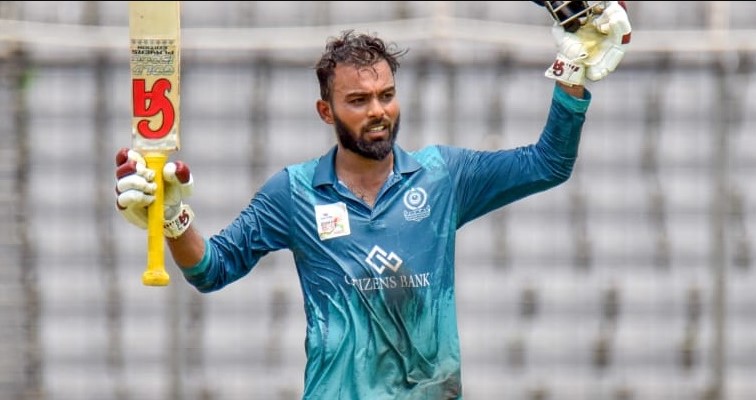
Israfil Khosru highlights quick action on players’ salary demands
Introduction: A New Era for Bangladesh Domestic Cricketers
For years, domestic cricketers in Bangladesh have voiced their concerns over financial sustainability, advocating for better pay scales and match fees that reflect their dedication to the sport. The Bangladesh Cricket Board’s (BCB) current ad-hoc committee, which has been at the helm for nearly two months, has finally addressed these long-standing concerns. In a recently shared perspective, BCB Finance Committee Chairman Israfil Khosru highlights quick action on players’ salary demands, showcasing a swift and decisive approach to player welfare that has sent waves of relief and satisfaction throughout the domestic cricket community.
Swift Action in the Second Board Meeting
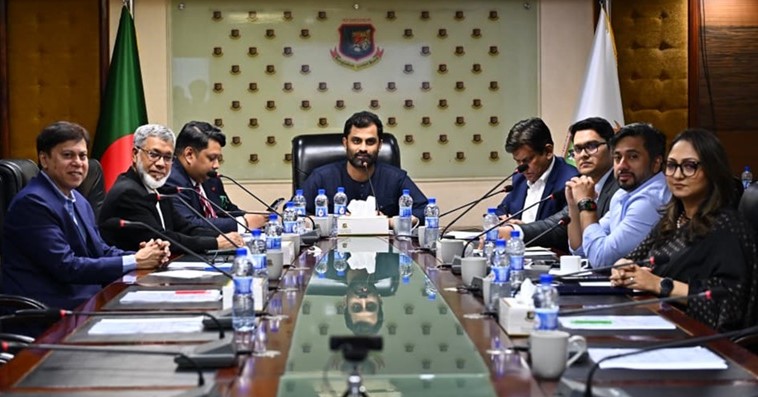
Under the leadership of Tamim Iqbal, the ad-hoc committee has demonstrated that administrative roadblocks can be overcome with sufficient political will and focus. While previous administrations dragged their feet on addressing the financial struggles of domestic players, the current committee prioritized the matter almost immediately. The salary hikes and match fee increases were officially approved during only the second board meeting of the committee’s tenure.
This decisive action applies comprehensively across the board, benefiting both male and female first-class cricketers. By boosting both monthly contracts and match-day fees, the BCB aims to establish a more secure professional environment for domestic players, who serve as the pipeline for the national teams.
Israfil Khosru on the Char Chokka Podcast
Speaking on the BCB’s official Char Chokka podcast, Israfil Khosru, who serves as a vital member of the ad-hoc committee and leads the Finance Committee, shed light on how easily these changes were implemented once the board aligned its priorities. Khosru emphasized that making such structural changes does not require months of bureaucratic delay if the leadership is genuinely committed to the cause.
“If you truly want to do something like this, it can be done in a single board meeting,” Khosru stated during the podcast. “We increased the salaries of first-class cricketers, both men and women, during only our second board meeting. In my opinion, this was something the players deserved for a long time. It could have been done earlier, but we came in and made it happen.”
A Rightful Reward, Not a Bonus
Khosru was quick to clarify that the salary adjustment should not be viewed as an extraordinary favor or a special bonus from the board. Instead, he framed it as the fulfillment of a basic right that the players earned through their hard work and contribution to the sport in Bangladesh.
“The players are very happy, and they deserve it. We are not giving them anything extra. This is something they have earned,” Khosru explained, reinforcing the committee’s player-first philosophy. He further noted the critical role domestic cricketers play in the broader ecosystem of the sport: “You cannot move Bangladesh cricket forward while ignoring the players. They are at the heart of everything.”
Looking Ahead: The June 7 Elections
The timing of these reforms comes at a crucial juncture for the BCB, as the board prepares for its upcoming elections scheduled for June 7. The ad-hoc committee’s proactive governance model has set a high standard for whoever takes charge next. Israfil Khosru himself will be contesting the election from Category-2, aiming to secure a permanent spot in the board’s future leadership structure to continue championing developmental and financial reforms for players.
Key Highlights of the Salary and Match Fee Hike
- Broad Impact: The policy covers both male and female first-class cricketers across Bangladesh.
- Comprehensive Increases: Both monthly salaries and match-day fees have been adjusted upward.
- Rapid Approval: Passed during the ad-hoc committee’s second board meeting under Tamim Iqbal.
- Player-Centric Governance: Underlined by the philosophy that players are the core stakeholders of Bangladesh cricket.
Conclusion
The rapid implementation of the player salary increases marks a refreshing chapter in the administration of Bangladesh cricket. By addressing these demands head-on, the current ad-hoc committee has not only boosted player morale but has also demonstrated that efficient, player-centric governance is entirely possible. As the June 7 elections approach, the decisions made by leaders like Israfil Khosru will likely serve as a blueprint for the future sustainability and growth of the sport in the nation.