Jasprit Bumrah’s Cost Per wicket For MI In IPL 2026
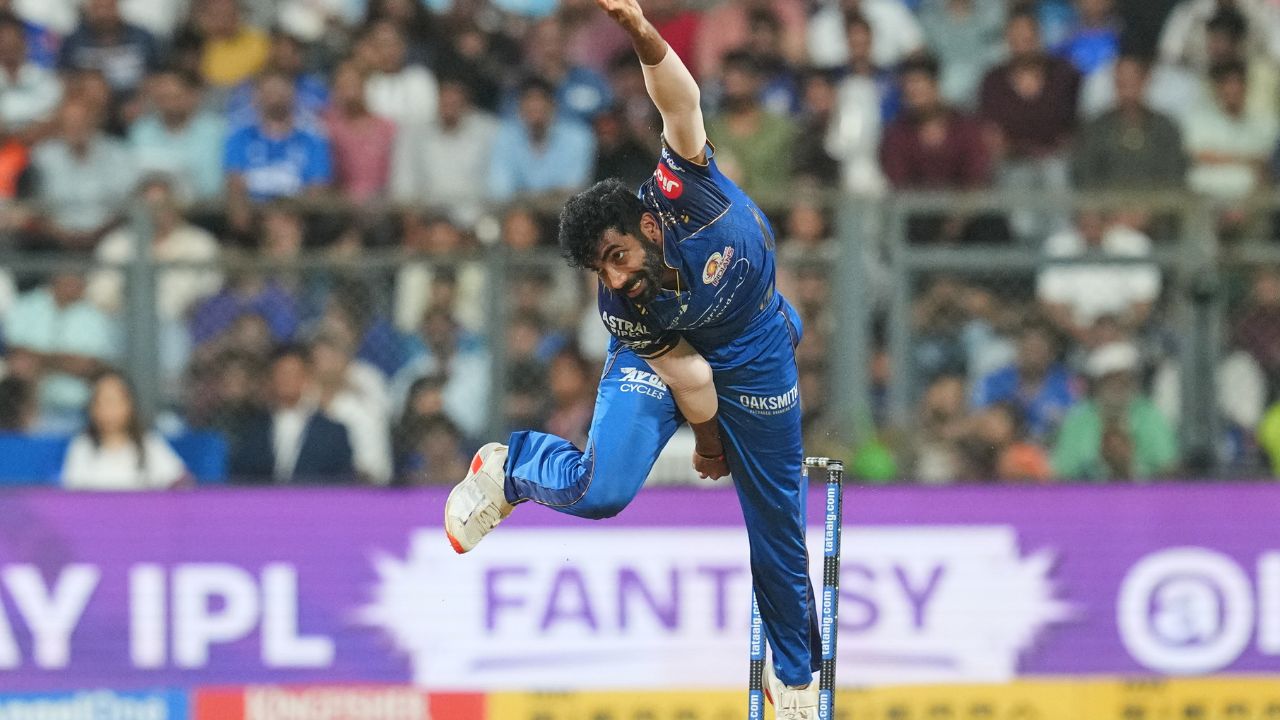
The 2026 Indian Premier League season turned out to be a nightmare for the Mumbai Indians, a franchise once hailed as a dominant force in T20 cricket. Despite entering the tournament with a star-studded lineup and championship aspirations, MI crashed out well before the playoff stage, failing to live up to their legacy. While several players underperformed, none drew more scrutiny than their marquee pacer, Jasprit Bumrah, whose impact was alarmingly absent — especially given his hefty price tag. Jasprit Bumrah’s Cost Per wicket For MI In IPL 2026 has now become more than just a statistic; it’s a symbol of unmet expectations.
Jasprit Bumrah’s Role and Expectations
Coming off a stellar performance in the 2025 T20 World Cup, where he played a pivotal role in India’s title triumph, Bumrah entered IPL 2026 at the peak of his reputation. Widely regarded as the finest T20 bowler in the world, the Mumbai Indians rightfully viewed him as their cornerstone. As such, the franchise retained him for a staggering ₹18 crore — the same amount he earned in IPL 2025 — signaling both confidence and commitment.
This retention made Bumrah the highest-paid player in the MI squad and one of the most expensive pacers in the league. Spread across 13 matches, his per-match fee amounted to approximately ₹9.75 million, with a total tournament salary of ₹180 million. When factoring in additional match fees and bonuses, his total earnings reached ₹189.75 million for the season.
Performance vs. Paycheck
Despite his economical bowling — maintaining a tight line and length and restricting runs — Bumrah’s major shortfall was his lack of wickets. In 13 matches, his ability to break partnerships and deliver breakthroughs went missing. The absence of consistent wickets from their lead pacer left MI’s bowling attack lacking bite, especially in crunch moments.
When we calculate the cost of each wicket taken by Bumrah in IPL 2026, the number is striking: ₹47,437,500 per wicket. This figure underscores the growing concern over player valuation in the IPL, where even the most decorated performers are under pressure to deliver tangible results.
Why This Matters
- Value for Investment: Franchises must assess whether retaining top-tier talent at premium rates is sustainable without on-field returns.
- Team Dynamics: Bumrah’s dip in performance coincided with a broader collapse in MI’s collective confidence, highlighting how reliance on key individuals can backfire.
- Future Strategy: Mumbai Indians now face tough decisions in player retention and squad balance ahead of the next mega auction.
The Bigger Picture
While it’s rare to see Bumrah struggle, cricket is a game of form and variance. His lack of wickets in IPL 2026 doesn’t erase his legacy or skill, but it does spotlight the intense scrutiny that comes with being a high-priced asset in a results-driven league. For fans and analysts alike, Jasprit Bumrah’s Cost Per wicket For MI In IPL 2026 serves as a reminder that even legends have off seasons — and in the IPL, the numbers don’t lie.
Mumbai Indians will need more than just star power to bounce back. They’ll need accountability, better match execution, and a reevaluation of performance metrics. As the dust settles on a disappointing 2026 campaign, one thing is clear: the cost of glory has never been higher.