“We Won, And That Was The Start Of Modern Cricket” – Lalit Modi opens up on IPL’ – Lalit Modi Reveals How BCCI Election Victory Sparked the IPL Revolution
The Political Battlefield Behind the IPL
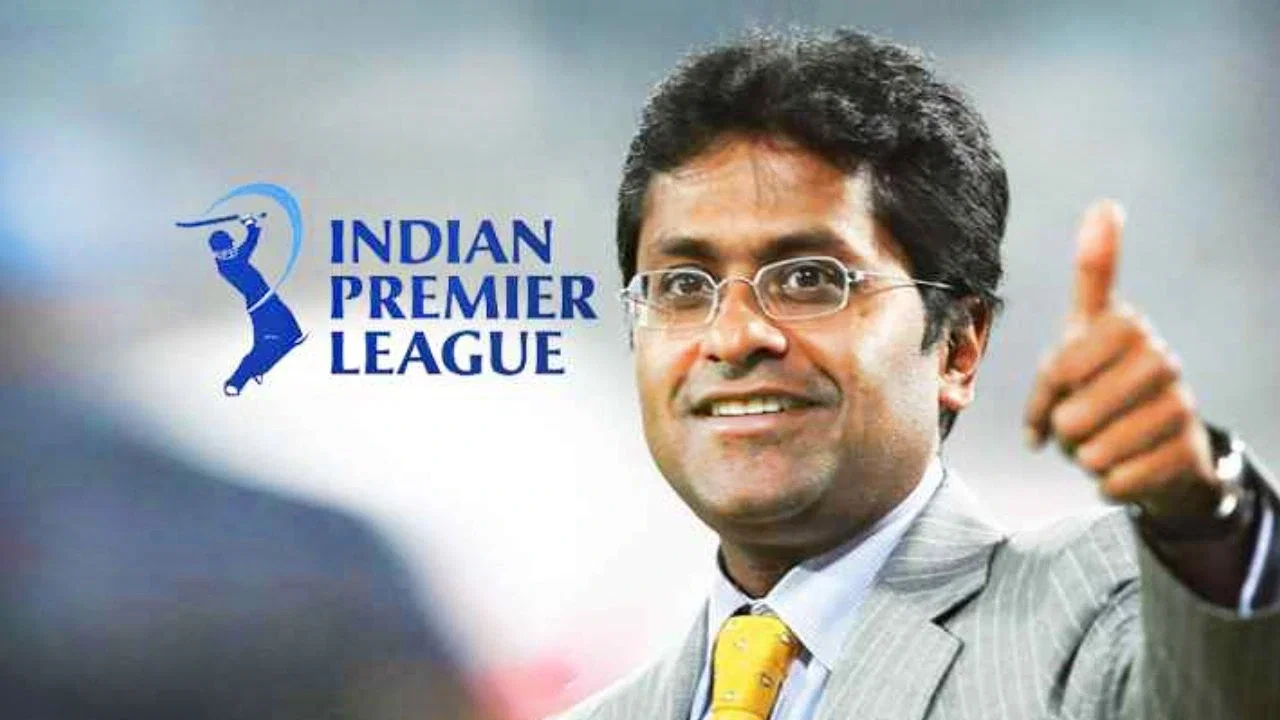
The Indian Premier League (IPL) is widely regarded as a watershed moment in global cricket, blending sport, entertainment, and commerce in a way never seen before. However, the path to its inception was not paved with ease. Former cricket administrator Lalit Modi recently opened up about the intense political maneuvering and the seismic shifts within the Board of Control for Cricket in India (BCCI) that were necessary to turn his vision of a franchise-based T20 league into reality.
For years, the idea of a city-based tournament had been resisted by the traditional power structures of Indian cricket. In the late 1990s, Modi’s proposals were flatly rejected. To succeed, he realized that a change in leadership was required. This realization led him to join forces with Sharad Pawar to challenge the existing hegemony within the BCCI during the mid-2000s.
The Battle of 2005: A Fight for Control
The road to power was fraught with controversy. Modi recounted the 2005 BCCI presidential election as a defining moment in his career. The attempt to install Sharad Pawar as president initially suffered a heartbreaking setback, losing by a single vote. Modi cited internal divisions, specifically referencing the Pune Cricket Association, where shifting allegiances at the eleventh hour ultimately handed the advantage to the rival faction led by Jagmohan Dalmia.
The intensity of the power struggle only escalated in the following year. Modi detailed how both camps employed aggressive strategies to secure support, including hotel room blockades and the redirection of flights to keep delegates away from opposing factions. It was a high-stakes game of chess where every vote mattered, and the lines between sports administration and hard-nosed politics blurred completely.
The Supreme Court Intervention
Perhaps the most dramatic turn of events occurred on November 29, 2005, in Kolkata—the home turf of the then-dominant faction. To ensure transparency, Modi successfully petitioned the Supreme Court to appoint two retired judges to oversee the election process. He recalled the shock that permeated the meeting room when he presented the court order.
“Mr. Dalmia was sitting at the table, intending to disqualify several of our members. But at the right time, I presented the Supreme Court order. The meeting, which was expected to take half an hour, turned into a day-long standoff that lasted until 5 p.m. Police presence was required to maintain order as the realization set in that the old guard was losing its grip,” Modi remarked.
Modern Cricket and the IPL Legacy
The eventual victory for the Pawar camp on that November day in Kolkata marked a pivotal shift in the balance of power. With the new leadership in place, the path was cleared for radical commercial reforms. By blending the franchise model prominent in American sports with the immense cultural pull of Indian cricket and Bollywood, Modi was finally able to manifest his vision.
Reflecting on these events, Modi views that era as the catalyst for everything that followed. He remains adamant that the success of the Pawar-led campaign provided the foundation for the commercial revolution that defines the modern game. By focusing on a merit-based approach and overcoming entrenched resistance, the administration was able to launch a product that changed the financial landscape of cricket forever.
While the history of the IPL is often told through its spectacular matches and star players, the story of its creation serves as a reminder of the complex administrative battles that often occur behind the scenes. The determination displayed during those turbulent years in the mid-2000s remains the cornerstone of what is today the most successful T20 league in the world.
A Legacy of Change
Today, as the IPL continues to grow in stature and influence, the echoes of those 2005 elections remain significant. It was a time when the board had to decide whether to stick to tradition or embrace a new, globalized future. Lalit Modi’s account provides a rare, firsthand perspective on how a combination of legal intervention, strategic planning, and sheer persistence broke the deadlock and allowed the sport to evolve into the spectacle that millions enjoy today.