Liam Livingstone 86* from 31 eases Lancashire home in 10-over chase
A Resounding Response from the Lightning
Lancashire Lightning finally managed to snap their three-game losing streak in spectacular fashion. In a high-stakes Vitality Blast clash that had been reduced to 10 overs per side due to persistent rain, Liam Livingstone took center stage. The explosive batter delivered a masterclass in clean hitting, ensuring his side chased down Durham’s total of 128 with five balls to spare, claiming a vital seven-wicket victory.
Setting the Stage at Riverside
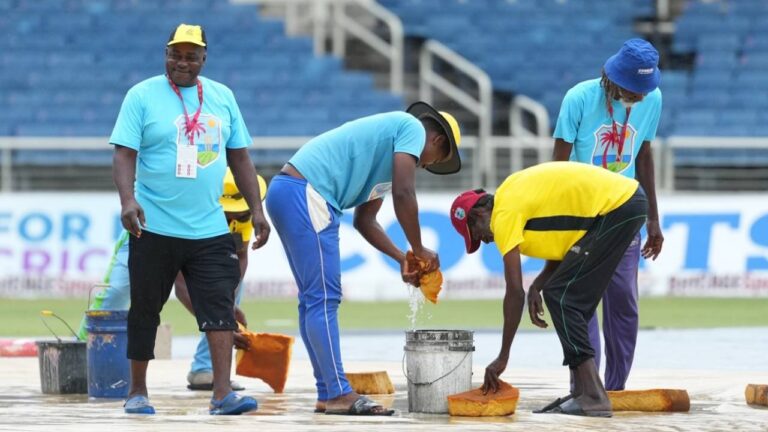
The match, held at the Banks Homes Riverside, saw a nearly two-hour delay that pushed the start time to 8:25 PM. Despite the damp conditions and the pressure of a shortened format, Durham’s openers, Graham Clark and Alex Lees, provided a formidable start. Lees signaled his intent immediately by taking four boundaries off the opening over bowled by Tom Hartley, while Clark utilized his reach to deposit Tom Aspinwall into the stands for a six. By the end of the three-over powerplay, Durham had raced to 33 runs without loss.
As the match progressed, the tactics centered on pace-off deliveries, a strategy necessitated by the pitch conditions. Clark and Lees continued their dominance, reaching 51 for no loss by the fifth over. It was Livingstone himself who eventually broke the partnership, bowling Lees for 42 off 24 balls in the eighth over. Clark remained at the crease, finishing unbeaten on 49 from 29 deliveries, helping Durham reach a competitive 128 for 2.
Livingstone’s Masterclass
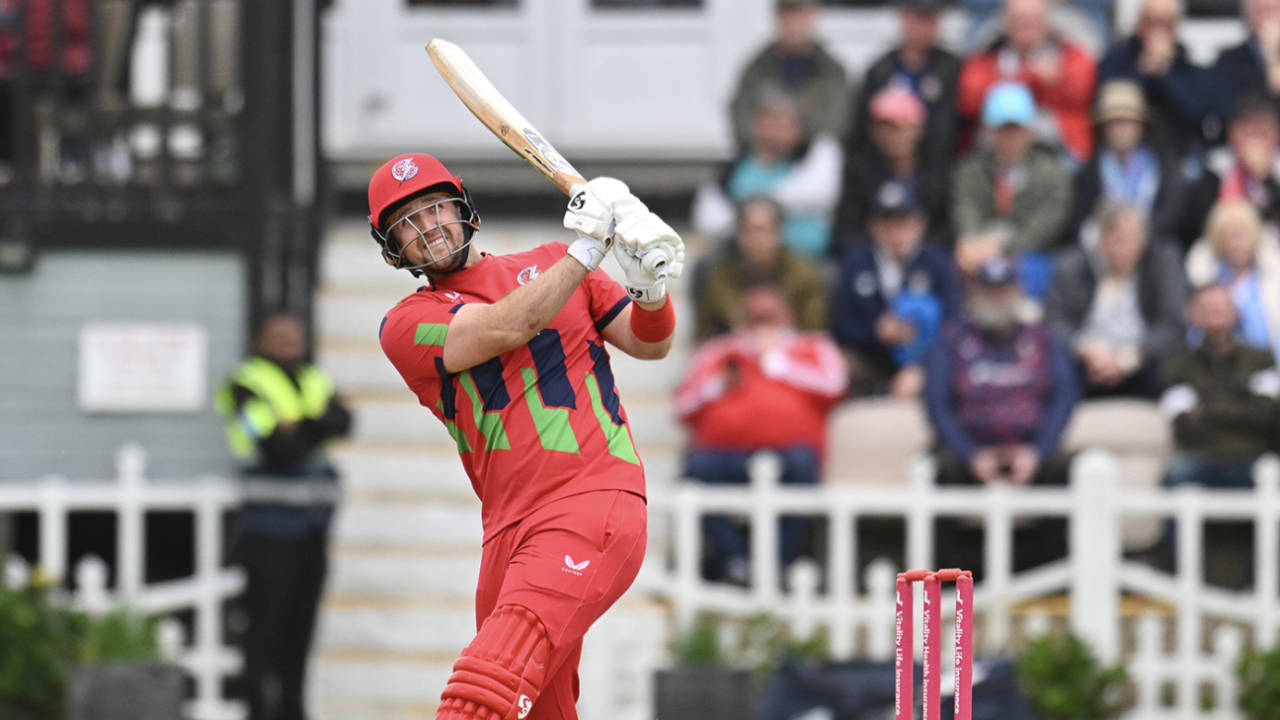
Lancashire’s reply began with an early setback when Keaton Jennings miscued a shot against Callum Parkinson, falling for just four runs. However, any nerves in the Lancashire camp were quickly extinguished by Livingstone. From the moment he walked to the crease, he looked in ominous form. His intent was clear as he pulled Matthew Potts for a massive six in the second over. Having already recorded scores of 44 and 81 in his previous two outings, Livingstone was clearly in a groove.
The onslaught continued as he took three successive boundaries off Parkinson. Despite losing his partner Ben McDermott shortly after the powerplay, Livingstone remained unperturbed. He was granted a reprieve when dropped in the deep on 36, a moment that proved costly for the hosts. Michael Jones, playing against his former county, provided support with a quick-fire 27 off 16 balls before falling to Kasey Aldridge.
The climax of the innings arrived in the eighth over. Livingstone turned his aggression toward Aldridge, dispatching him for four consecutive sixes. This brutal display of power not only settled the contest but also etched Livingstone’s name into the record books. With his flurry of sixes, he surpassed Steven Croft’s record for the most sixes by a Lancashire batter in T20 history, reaching 163 career maximums for the club.
Why This Victory Matters
This win serves as a massive morale booster for Lancashire. Having been at the bottom of the North Group, the Lightning needed a spark to reignite their quarter-final aspirations. Securing their second win in six matches keeps them firmly in the hunt for a knockout spot, joining Durham on eight points in the table. While Durham will be disappointed to have let a strong batting performance go to waste, the sheer brilliance of Livingstone’s 85 not out off 31 balls was the undeniable difference-maker.
The match was a testament to the unpredictable nature of T20 cricket, especially when rain forces the game into a sprint. Livingstone’s ability to clear the ropes at will under immense pressure highlights why he remains one of the most dangerous white-ball cricketers in the world. As the competition heats up, Lancashire will hope this momentum carries into their remaining fixtures, providing the foundation for a late-season charge up the leaderboard.