Lowest Totals Defended In IPL Finals: A Historical Analysis
The Art of Defending Small Scores in IPL Finals
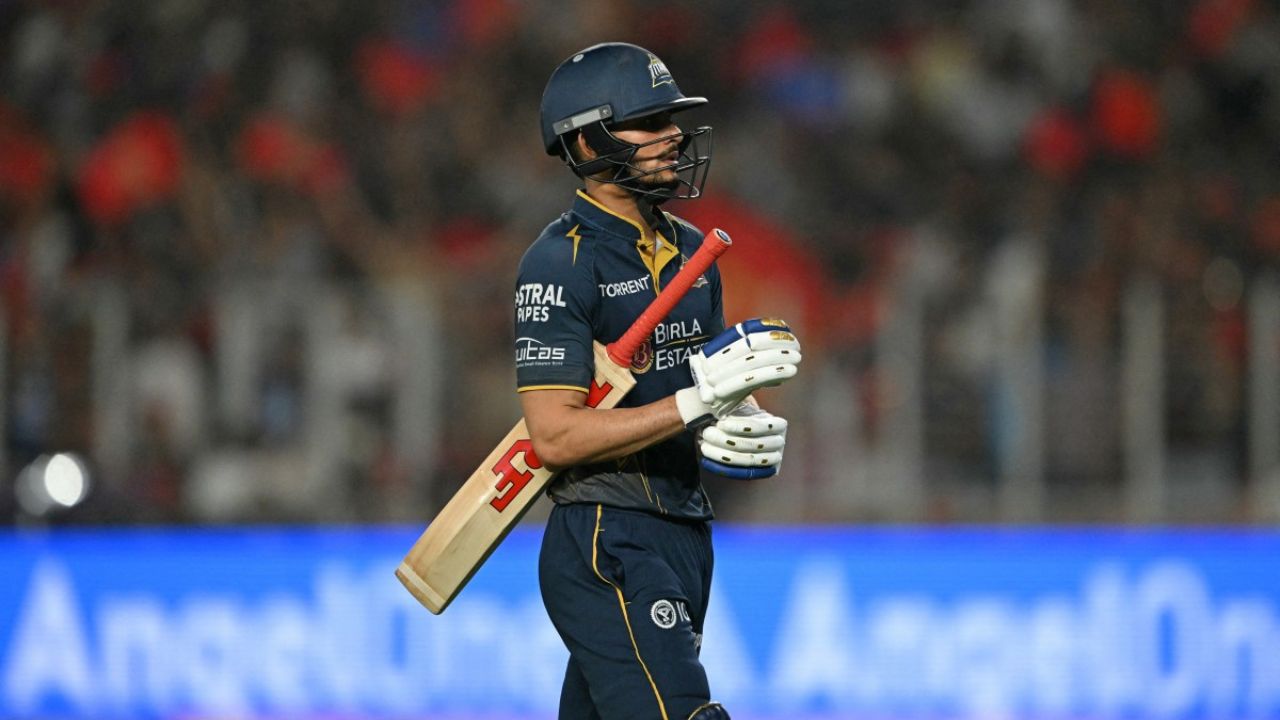
The Indian Premier League (IPL) is often celebrated for its explosive batting displays and high-scoring thrillers. However, the true mark of a championship-caliber team is often revealed when the chips are down, and the scoreboard displays a target that seems insufficient for victory. When a team manages to squeeze out a win after posting a meager total, it enters the elite history books of cricket. The recent 2026 IPL final between Royal Challengers Bengaluru (RCB) and Gujarat Titans brought this topic to the forefront, as the Titans struggled to post 155 runs, forcing fans to look back at the history of the Lowest Totals Defended In IPL Finals.
Defining Bowling Excellence
Defending a low total requires immense discipline, tactical acumen, and the ability to handle extreme pressure. It is not merely about bowling dot balls; it is about stifling the opposition’s momentum and forcing errors through relentless pressure. Throughout the years, several teams have proved that if a bowling unit acts as a cohesive force, even 130 runs can be enough to lift the trophy.
The Historic List of Defended Totals
When analyzing the pressure-cooker environment of the IPL title deciders, several instances stand out where the team batting first was heavily unfavored at the innings break, only to defy the odds.
- 1. MI defended 129 vs RPSG (IPL 2017): This remains the gold standard for defensive bowling in a final. Mumbai Indians demonstrated unparalleled composure to defend a target below 130, proving that strike rate often matters less than accuracy in the final overs.
- 2. Deccan Chargers defended 143 vs RCB (IPL 2009): A legendary performance that saw the Adam Gilchrist-led side frustrate the RCB lineup, securing a narrow but historic victory.
- 3. MI defended 148 vs CSK (IPL 2013): In another classic encounter, Mumbai Indians managed to stifle the Chennai Super Kings, reinforcing their reputation as a team that thrives under scoreboard pressure.
- 4. MI defended 149 vs CSK (IPL 2019): The rivalry between these two giants produced yet another low-scoring thriller where the finest of margins decided the title.
- 5. CSK defended 168 vs MI (IPL 2010): While higher than the others, defending 168 against a stacked Mumbai side was a testament to MS Dhoni‘s leadership and the tactical brilliance of the Super Kings.
Why Low Totals Are So Challenging
Batters in the IPL are trained to chase almost any target. When a team fails to reach 160, the pressure is squarely on the bowlers to take wickets consistently. If the bowling unit fails to pick up early breakthroughs, the batting team usually cruises to victory. However, as seen in these five examples, a flurry of wickets at the right time—usually in the middle overs—can cause a middle-order collapse that turns a comfortable chase into a desperate fight for survival.
Learning from the 2026 Final
The 2026 final serves as a contemporary reminder of these historical trends. With the Gujarat Titans posting only 155 runs, the RCB bowlers were tasked with the classic challenge of defending a below-par total. The accurate lines and lengths employed by the RCB bowlers, neutralizing threats like Sai Sudharsan, Shubman Gill, and Jos Buttler, highlighted exactly why these defensive performances remain the most respected feats in the tournament. These matches prove that in the IPL, the game is never truly over until the final ball is bowled.
As we continue to watch the evolution of T20 cricket, these records remind us that while power-hitting attracts the headlines, it is the art of defending a low score that often decides who lifts the silverware at the end of the night.