Melbourne Stars and Renegades set to merge, second franchise to be sold in full
A New Era for Victorian Cricket
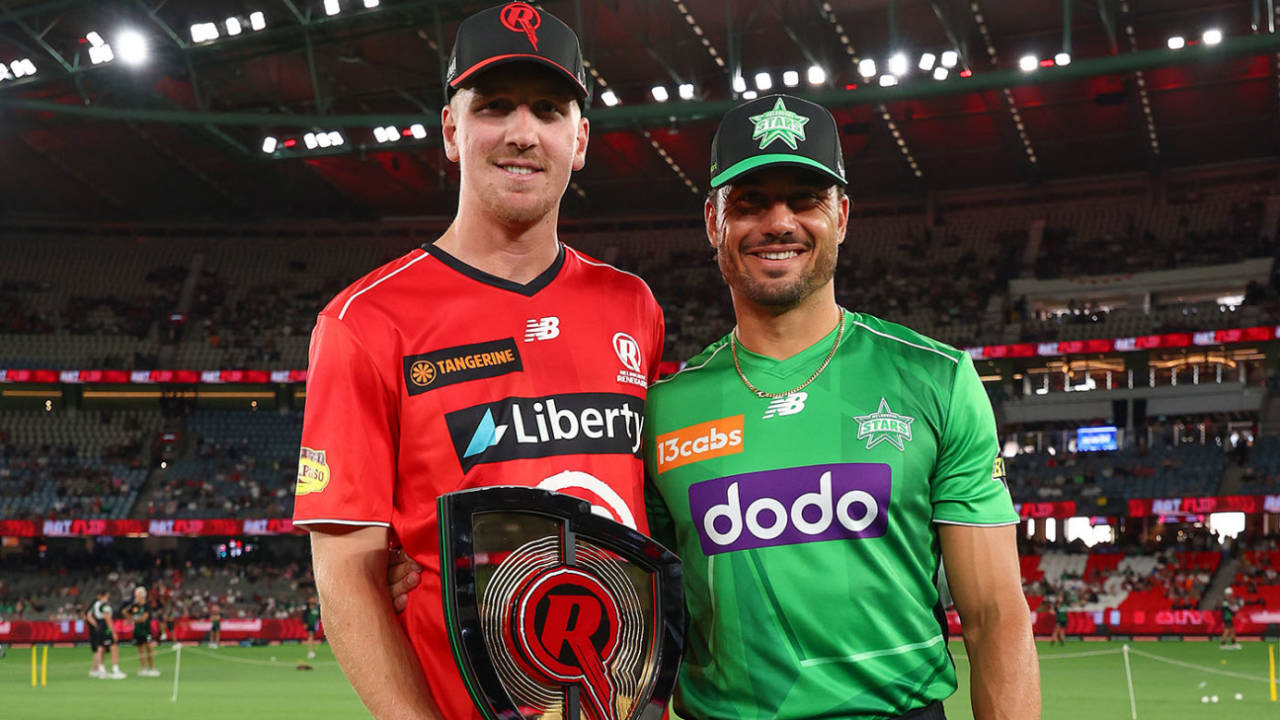
In a move that has sent shockwaves through the Australian cricketing landscape, it has been confirmed that the Melbourne Stars and Renegades set to merge, second franchise to be sold in full. Cricket Victoria (CV) has made the strategic decision to consolidate its two Big Bash League (BBL) and Women’s Big Bash League (WBBL) entities into a single administration ahead of the 2026-27 season. This decision comes as part of a wider push toward the eventual privatization of the league, a model that Cricket Australia (CA) is expected to formalize in the coming months.
The Consolidation Strategy
The administrative merger will see the current operations of both clubs unified under the guidance of the existing Renegades general manager, James Rosengarten. While the administrative functions will become one, the on-field transition involves more complex changes. The Melbourne Stars brand, including its iconic colors and name, is set to be retired. A new identity, intended to reflect Victoria’s traditional navy blue colors, will be introduced at the MCG.
Conversely, the Renegades will continue to play under their existing branding for the 2026-27 season, though they will operate under a caretaker administration led by current Stars general manager Max Abbott. This structure is intended to be a stop-gap measure while Cricket Victoria pursues the sale of the franchise to private entities.
The Drive Toward Privatization
Cricket Victoria is preparing to test the market for the sale of the Renegades franchise in its entirety. This approach mirrors the model seen in the English Hundred, where major international conglomerates, such as the Sun Group, have acquired franchises. The prospect of owning a team that plays at the historic Melbourne Cricket Ground is expected to be a significant draw for global investors, including those currently involved in the Indian Premier League (IPL). Groups such as Reliance Industries have reportedly expressed interest.
The timeline for this transition is ambitious. Following a state chairs meeting in mid-June, Cricket Australia is expected to approve the hybrid privatization model. Should the market testing phase prove successful, a bidding process could be completed in as little as two months, potentially putting new owners in control before the start of the next season.
Operational Challenges and Future Outlook
Despite the excitement surrounding potential investment, several hurdles remain. The most notable is the integration of existing player contracts. Renegades players are currently signed for two more seasons, and any transition to private ownership will require a renegotiation of the Memorandum of Understanding (MoU) between the Australian Cricketers’ Association (ACA) and Cricket Australia. Furthermore, salary caps and competition regulations will need to be restructured to accommodate a league that features a mix of privately owned clubs and state-run franchises.
For the fans, the announcement marks the end of a 15-year rivalry between the two Melbourne clubs. While there is understandable apprehension, there is also optimism that a consolidated team representing the state could build a larger, more dedicated fanbase. Additionally, the potential for an IPL-backed franchise to tap into Melbourne’s significant Indian expatriate community offers a unique commercial opportunity for the sport.
The Road Ahead
Cricket Victoria’s decision to move early on this merger stems from a need to provide stability. With the Renegades facing uncertainty regarding their home ground arrangements—having reached the end of their venue agreement with Marvel Stadium—and the ongoing pressure to maintain staffing levels, the administration felt that acting now was necessary to protect the long-term viability of the sport in the state.
As Cricket Australia continues to refine its hybrid model, the cricket world will be watching closely. The success of this transition depends on navigating the delicate balance between commercial interests and the traditional fabric of Australian domestic cricket. With major organizational changes looming, the 2026-27 season promises to be a watershed moment for the BBL and the future of the game in Victoria.