Mike Hesson breaks silence on Pakistan’s decision to drop Mohammad Rizwan from ODI series against Australia
Strategic Shifts in Pakistan Cricket
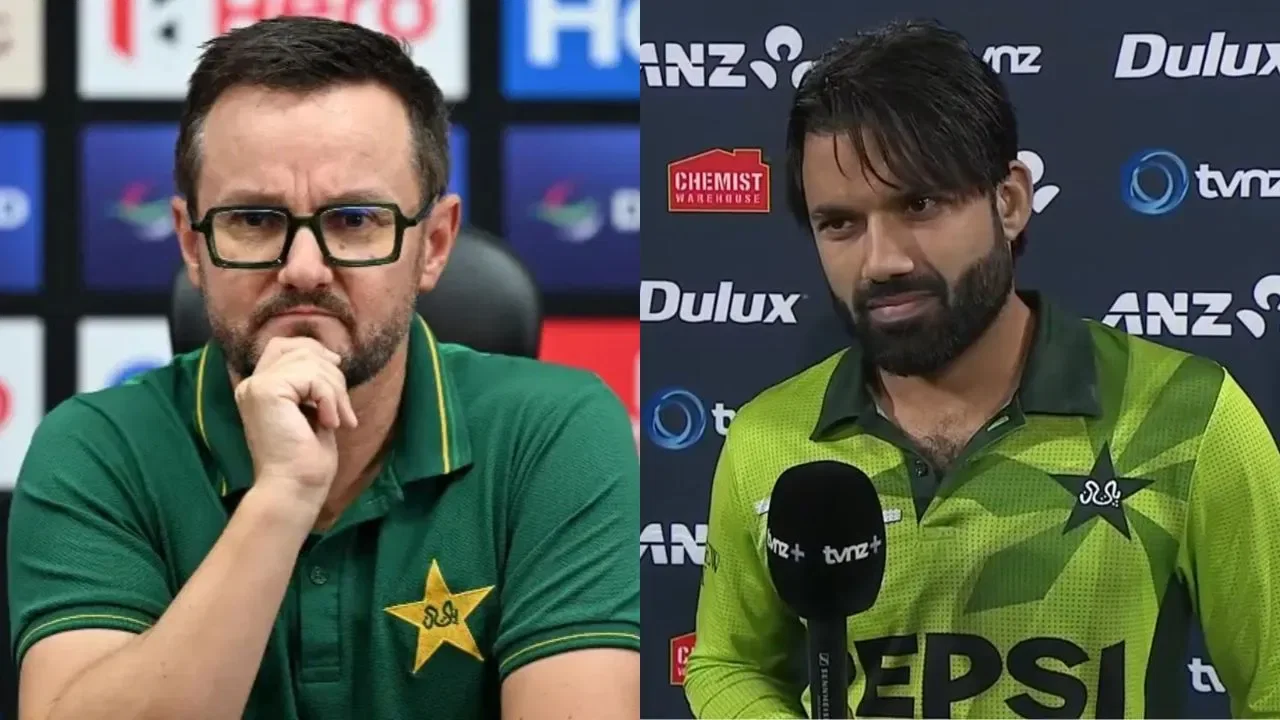
The Pakistan cricket landscape has seen significant shifts recently, with head coach Mike Hesson addressing the pressing questions surrounding the squad composition for the upcoming three-match ODI series against Australia. Among the most discussed topics is the exclusion of experienced wicketkeeper-batter Mohammad Rizwan, a decision that has sparked widespread debate among fans and pundits alike.
As the team prepares for a critical series at the Rawalpindi Cricket Stadium, starting on May 30, the management is under scrutiny to deliver results. Hesson, speaking to the press, was clear that the exclusion was purely a professional evaluation aimed at revitalizing the team’s performance metrics in the 50-over format.
Addressing the Captaincy Change
Hesson provided insight into the decision-making process that led to the removal of Mohammad Rizwan from the ODI captaincy in October last year. The head coach emphasized that the change was not a personal slight against the player but a necessary step after a challenging period for the team. “In terms of ODIs, yes, Mohammad Rizwan started as the captain in the West Indies, and we felt we needed a change at the end of that series because we had won two games in 12 months,” Hesson explained. He noted that the primary objective was to maximize team performance, which necessitated a fresh approach to leadership.
Long-Term Planning for the World Cup
Beyond the immediate series against Australia, Hesson highlighted that the current squad selection is part of a broader, long-term strategy. With the next ICC World Cup scheduled to take place in 18 months, the coaching staff and selection panel are prioritizing the testing of new combinations. The intent is to broaden the talent pool and assess the capabilities of emerging players under competitive pressure.
Hesson pointed to the recent series against Bangladesh as an example of this experimental phase, where several changes were introduced to the playing eleven. “Because in 18 months’ time we have a World Cup, so we need to look at the options we have from a working people’s point of view, and that was something that the selection panel decided,” he stated.
The Role of Salman Ali Agha
During the press conference, questions were also raised regarding the team’s leadership structure, specifically concerning the role of the vice-captain. Hesson took the opportunity to clarify the position of Salman Ali Agha, who has been an integral part of the team’s internal hierarchy. While there may not have been a formal public announcement, Hesson confirmed that Agha has been fulfilling the vice-captaincy duties consistently. “Salman Ali Agha has been the team’s vice-captain for the last five tours. I’m not aware of any new announcement in the media, but within the team, he’s always been functioning as vice-captain,” the coach clarified.
Looking Ahead at the Australia Series
The upcoming series against Australia presents a formidable challenge for the Shaheen Afridi-led squad. Following a mixed performance in 50-over cricket, including a 2-1 series loss to Bangladesh, Pakistan is keen to stabilize its lineup. The reliance on senior stalwarts like Babar Azam remains a cornerstone of the team’s game plan, as they seek to implement the lessons learned from recent tactical adjustments.
As Pakistan prepares to face a high-quality Australian side, the focus will undoubtedly remain on how these new combinations integrate into the team structure. Whether the shift in personnel yields the desired improvement in the 50-over format will become clear as the series unfolds at the Rawalpindi Cricket Stadium through June 4.