Mohsin Naqvi Skips ICC Meeting & IPL Final in Ahmedabad: An Inside Look
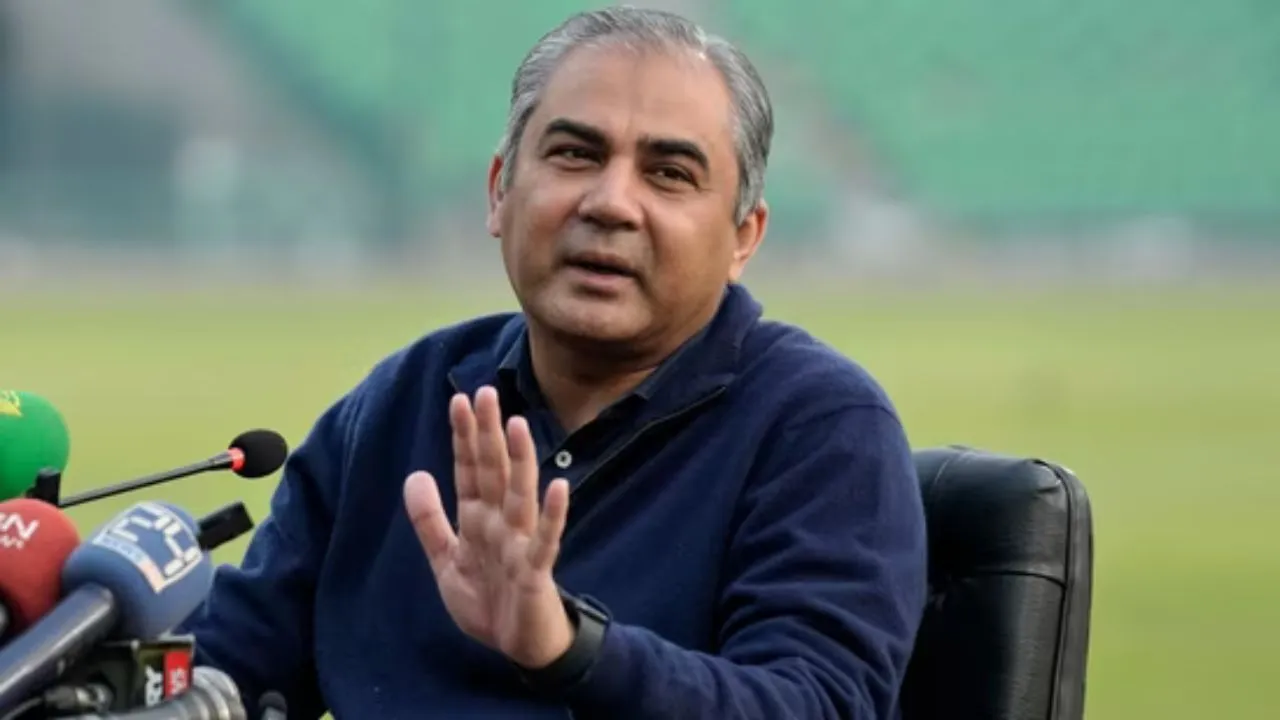
Recent reports have definitively clarified that Pakistan Cricket Board (PCB) Chairman Mohsin Naqvi will not be journeying to India for the scheduled ICC Board meeting in Ahmedabad. This revelation directly counters earlier speculations that had suggested his presence at the high-profile event, which coincides with the final match of the Indian Premier League.
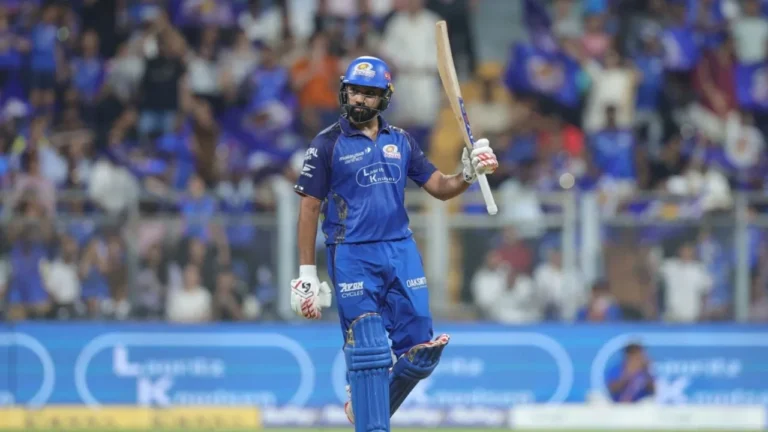
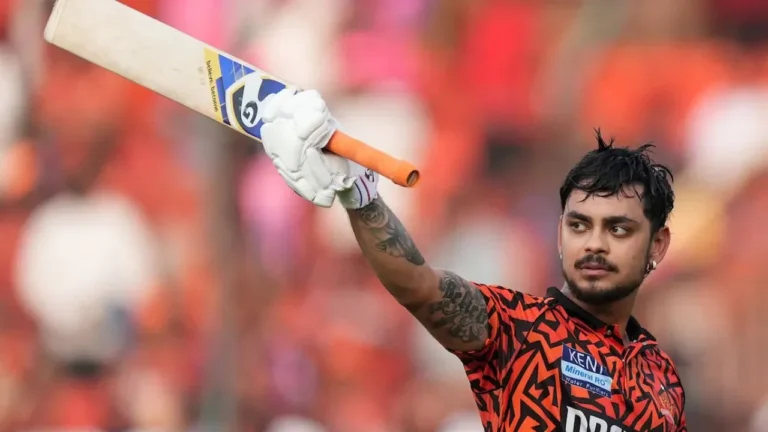
The critical ICC Board meeting is slated to unfold over two days, May 30 and 31. Intriguingly, the grand finale of the IPL 2026 season is also scheduled to be held in Ahmedabad on May 31. Conventionally, all dignitaries and attendees of the Board meeting are also expected to grace the IPL final, adding a layer of prestige to the cricketing spectacle. However, Naqvi’s absence marks a notable departure from this expectation.
Naqvi’s Pivotal Role in Bilateral Cricket Agreements
Mohsin Naqvi has played a crucial role in recent times, particularly in facilitating a comprehensive three-way agreement involving the PCB, the Board of Control for Cricket in India (BCCI), and the International Cricket Council (ICC). This landmark understanding pertains to the participation of India and Pakistan in ICC events hosted by either nation. The agreement, aimed at navigating the complex geopolitical landscape surrounding the two cricketing powerhouses, has significant implications for future tournaments.
A prime example of this agreement’s implementation was witnessed during the Champions Trophy last year. It was formally decided that cricket teams from India and Pakistan would refrain from traveling to each other’s countries for ICC tournaments until 2027. Consequently, India did not travel to Pakistan for the Champions Trophy, instead playing all their designated matches in neutral territory, specifically in Dubai. Similarly, Pakistan’s teams have played all their matches in neutral venues when India hosted major ICC events. This precedent was set during both the Women’s ODI World Cup and the Men’s T20 World Cup, where Pakistan played their matches in Sri Lanka rather than India.
Reasons Behind the Decision and PTI Report
According to a report by the Press Trust of India (PTI), Mohsin Naqvi himself made the personal decision not to travel to Ahmedabad. The PTI report further clarifies a significant point: contrary to certain narratives circulating in Pakistani media, Naqvi was not extended a personal invitation by the BCCI to attend the IPL final. Had he opted to travel to India, his purpose would have solely been to participate in the ICC Board meeting, not the cricketing extravaganza of the IPL final.
It is also noteworthy that Naqvi is not alone in his decision to attend virtually. Apart from the PCB Chairman, two other ICC Board members are expected to attend the meeting via video conference. The ICC has a well-established policy that consistently allows representatives of member boards to participate in meetings virtually if their physical presence is not feasible. This flexibility ensures continuity in governance and decision-making processes, irrespective of travel constraints or other logistical challenges. Should Naqvi choose to participate virtually, it would align perfectly with the ICC’s standard and accepted practices for its Board meetings.
Meeting Relocation and Agenda Highlights
The current scheduling and location of the ICC Board meeting represent a significant shift from its original plan. Initially, the meeting was slated to be held in Doha, Qatar, towards the end of March. However, geopolitical tensions, specifically the USA-Iran war, necessitated a change of plans. The ICC was compelled not only to postpone the meeting but also to relocate it to a new venue.
Now, nearly two months after its original proposed date, the meeting will convene in Ahmedabad. This relocation had a direct impact on other significant cricketing events. In an earlier interview with RevSportz this month, IPL Chairman Arun Dhumal revealed that the ICC Board meeting’s relocation to Ahmedabad was a primary factor influencing the BCCI’s decision to shift the IPL final to the city from its initially planned venue in Bengaluru. This highlights the intricate web of logistical and administrative considerations that govern major cricketing events.
The ICC Board meeting is anticipated to host a wide array of key figures from the global cricketing fraternity. This includes ICC Board Directors, Chief Executives of various member boards, Committee members, and the apex body’s senior leadership. Such a gathering underscores the importance of the discussions and decisions made during these sessions, shaping the future trajectory of cricket worldwide.
A major item on the agenda for this meeting is reportedly the crucial subject of broadcasting rights. The ICC’s existing deal with JioStar is set to conclude in 2027, making discussions around future broadcasting partnerships paramount. The outcome of these deliberations will have substantial financial implications for the ICC and the global development of the sport.
Original Vision for Doha Meeting
Before the relocation, the ICC had issued an official statement outlining the rationale behind scheduling the Board meeting in Doha. The statement emphasized the strategic importance of the gathering:
“The meetings will bring together ICC Board Directors, Chief Executives, Committee Members and senior leadership as part of the organisation’s ongoing governance calendar, providing an important opportunity to deliberate over key matters pertaining to the present and future of the global game,” the ICC had stated in its official release.
Furthermore, the ICC had highlighted its growing engagement with cricket in Qatar and the country’s broader sporting ecosystem as a reason for selecting Doha:
“The decision to stage the meetings in Doha reflects the ICC’s growing engagement with cricket in Qatar and the country’s wider sporting ecosystem. The ICC’s support of and collaboration with the Qatar Cricket Association and Olympic Committee, Cricket in Qatar has fuelled remarkable progress for the sport in recent years,” the statement added.
While the venue has changed, the core objectives of the ICC Board meeting remain consistent: to address critical issues and chart the course for international cricket, ensuring its continued growth and stability across the globe.