Rohit Sharma Gets Credit For Rishabh Pant’s Gabba Heroics
A Tactical Masterstroke at the Gabba
The 2020/21 Border-Gavaskar Trophy remains etched in the annals of cricket history as a watershed moment for Indian cricket. The series culminated in a dramatic finale at the Gabba, where an injury-ravaged Indian squad defied the odds to end Australia’s 32-year unbeaten streak at the venue. While the spectacle of Rishabh Pant’s explosive batting is what fans remember most, new details suggest that Rohit Sharma Gets Credit For Rishabh Pant’s Gabba Heroics, highlighting his often-overlooked influence on the team’s tactical direction.
The Tension Behind the Chase
As the final day of the fourth Test unfolded, India faced a daunting target of over 300 runs. The atmosphere was thick with tension. Shubman Gill had provided a sparkling foundation with his 91-run innings, and Cheteshwar Pujara had absorbed endless punishment from the Australian pace battery to keep the dream alive. However, as the afternoon wore on, the sky grew dark and rain threatened the play, leading to a clash of philosophies within the Indian dressing room.
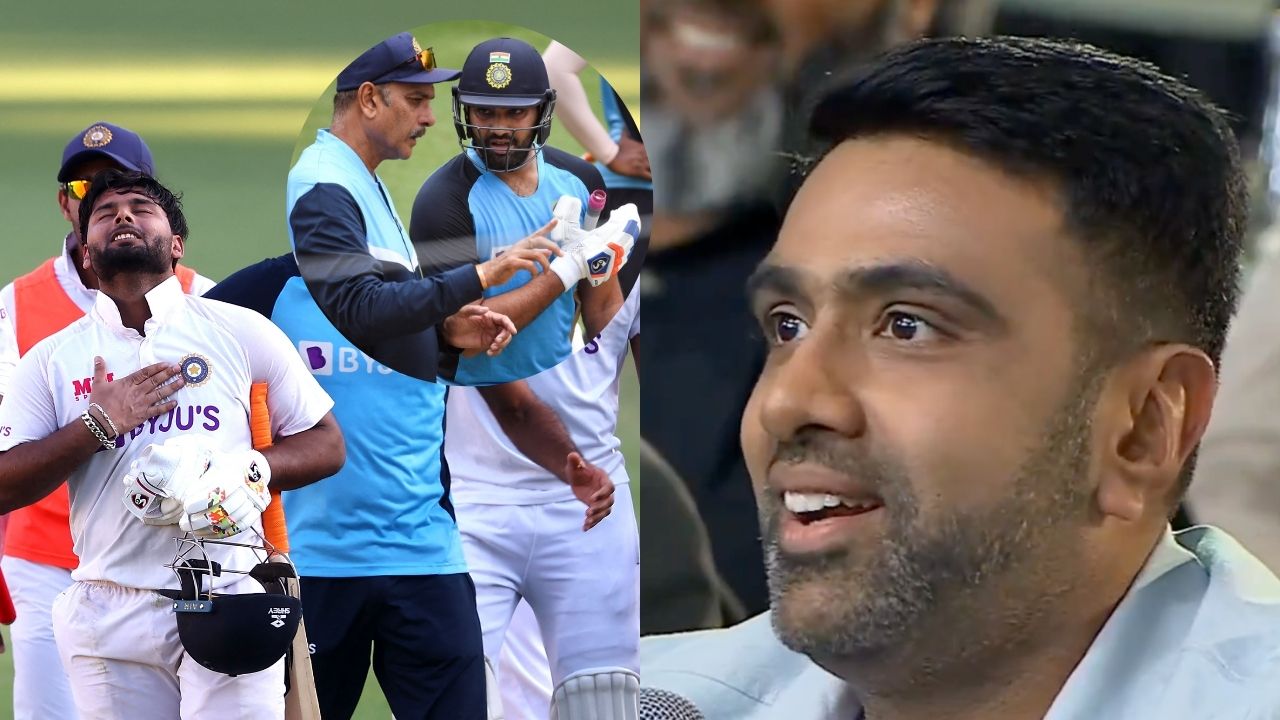
Former spinner Ravichandran Ashwin, a key member of that touring party, provided insight into the chaotic final hours of the match during the ESPN Cricinfo awards. According to Ashwin, head coach Ravi Shastri was leaning toward a conservative approach. With the weather closing in and the target still significant, the coaching staff was considering playing for a draw to ensure the series result remained secure.
The Rohit Sharma Influence
While the team management was divided, Rohit Sharma emerged as a voice of aggression and conviction. Ashwin revealed that while Ravi Shastri wanted to secure the draw, Rohit was adamant that Rishabh Pant should be encouraged to go for the win. This tactical intervention proved to be the turning point of the series.
“We were having that weather blogging on one side and the other side with Ravi bhai’s ups and downs,” Ashwin recounted. “Rohit wanted Rishabh to go for the win. Ravi bhai wanted to play for the draw, and it just kept flowing for the next two hours.”
By backing Pant’s natural, aggressive instincts, Rohit Sharma empowered the young wicketkeeper-batter to play his own game. The result was a fearless, unbeaten 89 from Pant that propelled India to a three-wicket victory, arguably the greatest overseas win in the nation’s history.
Leadership in the Absence of a Captain
It is important to acknowledge that Rohit Sharma’s own performance with the bat during the 2020-21 series was modest by his high standards. In four innings, he scored 129 runs at an average of 32.25. However, his value to the team transcended statistics. In the absence of Virat Kohli, who had departed for personal reasons, and with veterans like Ashwin and Jasprit Bumrah sidelined by injuries, Rohit acted as an unofficial leader.
His ability to provide calm, decisive tactical input when the pressure was at its peak demonstrated his value as a senior statesman. The Gabba victory was not just a triumph of talent, but a triumph of mentality—a mentality that Rohit Sharma helped foster during those critical final hours.
A Historic Series Triumph
The victory in Brisbane secured a 2-1 series win, marking a crowning achievement for a team that had been written off after the disastrous collapse in Adelaide. With Ajinkya Rahane leading the side and the young brigade stepping up, the 2020-21 Border-Gavaskar Trophy proved that India’s bench strength was world-class. It was a series defined by grit, determination, and, as we now know, the vital guidance of players like Rohit Sharma who kept the team focused on the ultimate goal: a victory that will be remembered for generations to come.