‘Disappointing’ – Sangakkara on Sam Curran turning out for Surrey with IPL still – Kumar Sangakkara Expresses Disappointment Over Sam Curran’s Surrey Appearance
A Clash of Expectations and Availability
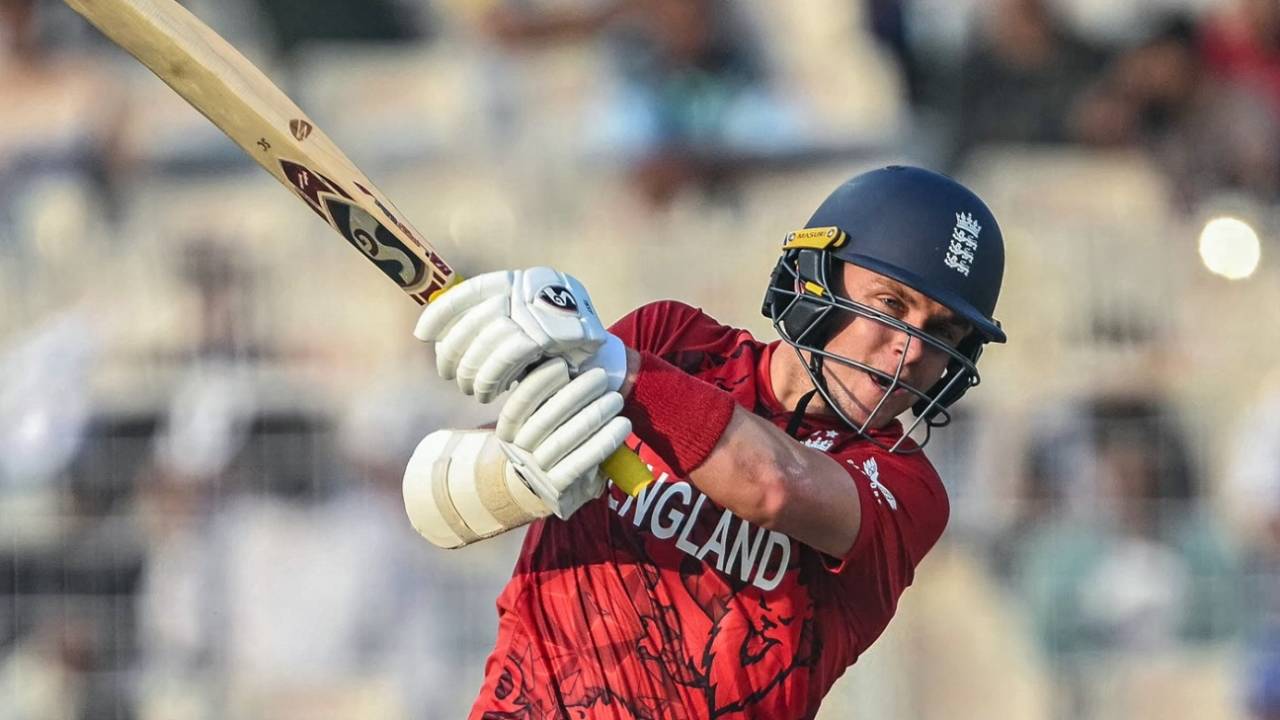
The 2026 Indian Premier League (IPL) season concluded with a poignant reflection from Rajasthan Royals (RR) head coach Kumar Sangakkara. In a candid post-match press conference following the team’s exit in Qualifier 2, the legendary cricketer addressed the notable absence of all-rounder Sam Curran, whose participation for Surrey in the domestic Vitality Blast sparked significant debate regarding player availability and contractual transparency.
The Timeline of Discontent
Sam Curran was initially ruled out of the IPL 2026 campaign after officially citing a groin injury. The news, which surfaced on March 19, indicated that the player would require a recovery period, with Curran noting he would return to the field whenever his body felt capable. However, the situation shifted when Curran appeared for Surrey on May 22, participating in the Vitality Blast. For Sangakkara, the discrepancy between the reported severity of the injury and the player’s return to the domestic circuit was stark.
“We were told that Sam Curran had a season-ending injury, but I think I saw him playing for Surrey for two games or three games now,” Sangakkara remarked. “So that was disappointing. We would have loved to have had him here playing for us.”
The Replacement Ripple Effect
The logistical fallout of Curran’s withdrawal had immediate consequences for the Rajasthan Royals roster. After receiving notification of Curran’s unavailability, the franchise moved to sign Dasun Shanaka as a replacement on March 23. This move resulted in a complex chain reaction, as Shanaka was forced to withdraw from his commitments with the Lahore Qalandars in the Pakistan Super League (PSL) 2026, ultimately leading to him receiving a one-year ban from that tournament.
Injury Management and Player Intent
Curran, who had previously noted that he was managing the injury throughout the T20 World Cup, maintained that the decision to withdraw was based on medical advice. British media reports quoted him as stating, “It’s an injury that I’ve kind of been battling with a little bit. It has gradually got fractionally worse. I went for a couple of scans and it showed reasonable damage, so I had to make the tough decision.”
While the physical reality of his injury remains documented, Sangakkara highlighted the importance of presence within a team environment, regardless of playing status. He drew parallels to other squad members who, despite limited game time, remained committed to the group.
Setting the Standard for Future Seasons
The conversation around overseas players honouring IPL commitments is not new. In September 2024, the BCCI implemented a strict policy, including a potential two-year ban for players who pull out after being selected at auctions. Sangakkara is a vocal proponent of this rigorous approach.
“Yeah, I think a proper tight policy around that is always a requirement. The BCCI has a strict policy on that,” the coach asserted. “Injuries, every person goes through injuries, and if it’s a serious injury, a season-ending injury, of course we understand.”
Building a Cohesive Unit
Sangakkara emphasized the value of the “hard yards” put in by players who joined the setup despite not featuring in the final XI. Players such as Adam Milne, Shimron Hetmyer, Lhuan-dre Pretorius, and Kwena Maphaka were cited as examples of individuals who contributed to the team culture by practicing, supporting teammates, and traveling with the squad.
“It’s really up to that individual player to decide whether they want to come or not, but I think the BCCI policy around it is very strict now, and that’s the way it should continue,” Sangakkara concluded. “It should be very strict to make sure that contractual obligations are met properly and genuinely, and I think every side in the IPL will benefit from that.” As the dust settles on the 2026 season, the discourse surrounding player integrity and the sanctity of league contracts remains a critical topic for the future of professional cricket.