George Munsey 88* powers Notts to first win of campaign
A Resounding Response at Trent Bridge
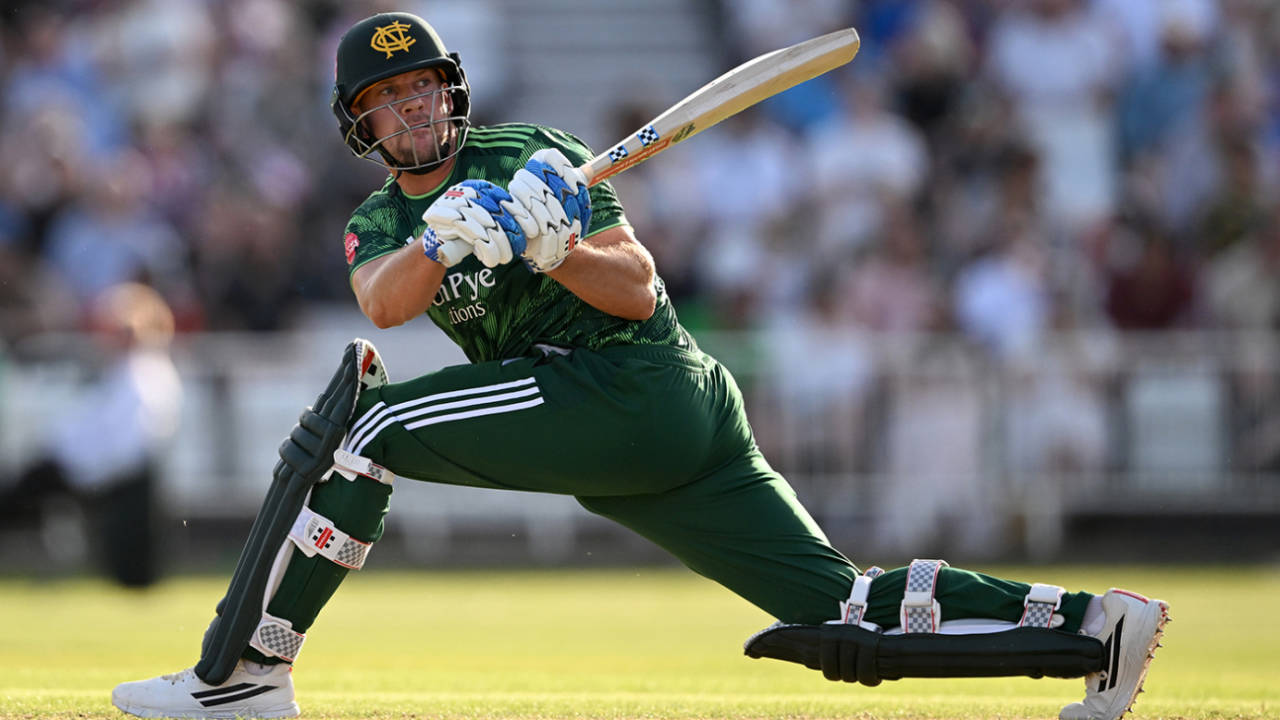
Nottinghamshire finally broke their duck in the Vitality Blast in emphatic fashion. After three consecutive defeats in the North Group, the Outlaws delivered a masterclass in controlled aggression to dismantle Durham by six wickets. The catalyst for this transformation was Scotland international George Munsey, whose unbeaten 88 provided the stability and flair that the side had desperately lacked in previous outings.
Munsey Leads the Charge
George Munsey 88* powers Notts to first win of campaign, and it was a knock of pure intent. Facing 52 deliveries, the 33-year-old left-hander showcased exactly why he is a seasoned veteran of the T20 format. With nine boundaries and three towering sixes, he ensured the run chase remained under total control. His opening partnership and subsequent stability were perfectly complemented by young talent Freddie McCann, who contributed a valuable 32 from 33 balls to keep the scoreboard ticking during the middle overs.
While Munsey eventually saw the team home with 16 balls to spare, the foundation for the victory was laid well before he took the crease, thanks to a disciplined bowling performance from the Notts attack.
Bowling Dominance Sets the Tone
Durham’s innings never truly gained traction, largely due to a hostile opening spell from the Nottinghamshire bowlers. Dillon Pennington ignited the Trent Bridge crowd immediately, claiming a wicket with his very first delivery. From that point forward, the visitors were consistently on the back foot, ending the powerplay at a precarious 41 for 4.
The collective effort of the Notts bowling unit was impressive. Olly Stone, Mohammad Ali, and George Linde each claimed two wickets apiece, stifling any attempt by Durham to build meaningful partnerships. Will Rhodes offered some resistance with a top-score of 38 from 32 balls, and Ollie Robinson chipped in with 26, but the damage had already been done. Durham managed a late flurry of runs, but their final total of 156 for 8 always felt sub-par on a wicket conducive to stroke play.
The Chase: Clinical and Calculated
Chasing a target of 157, the Outlaws approached their innings with a sense of urgency. Munsey’s intent was clear from the outset, as he dispatched the ball to the boundary with regularity. Although Notts lost Joe Clarke and Jack Haynes in the powerplay due to some loose shots, the target remained well within reach. Munsey reached his half-century off just 30 balls, a milestone that effectively took the wind out of Durham’s sails.
Even a brief mid-innings wobble—where Matty Potts dismissed both McCann and Tom Moores in quick succession—did little to derail the outcome. George Linde arrived at the crease and immediately signaled the end of the contest, finding the boundary to seal the result.
Looking Ahead
This victory serves as a crucial confidence booster for the Notts Outlaws. Having finally clicked as a unit—with both the ball and the bat performing in tandem—the squad will look to carry this momentum into their upcoming fixtures. For Durham, it is a period of reflection as they search for the consistency required to climb the North Group standings. However, on this day, the spotlight belonged to the Scot, whose match-winning innings proved to be the difference maker at Trent Bridge.