Ashwin: Suryakumar’s axing will set precedent for future selection calls
A Watershed Moment for Indian Cricket Selection
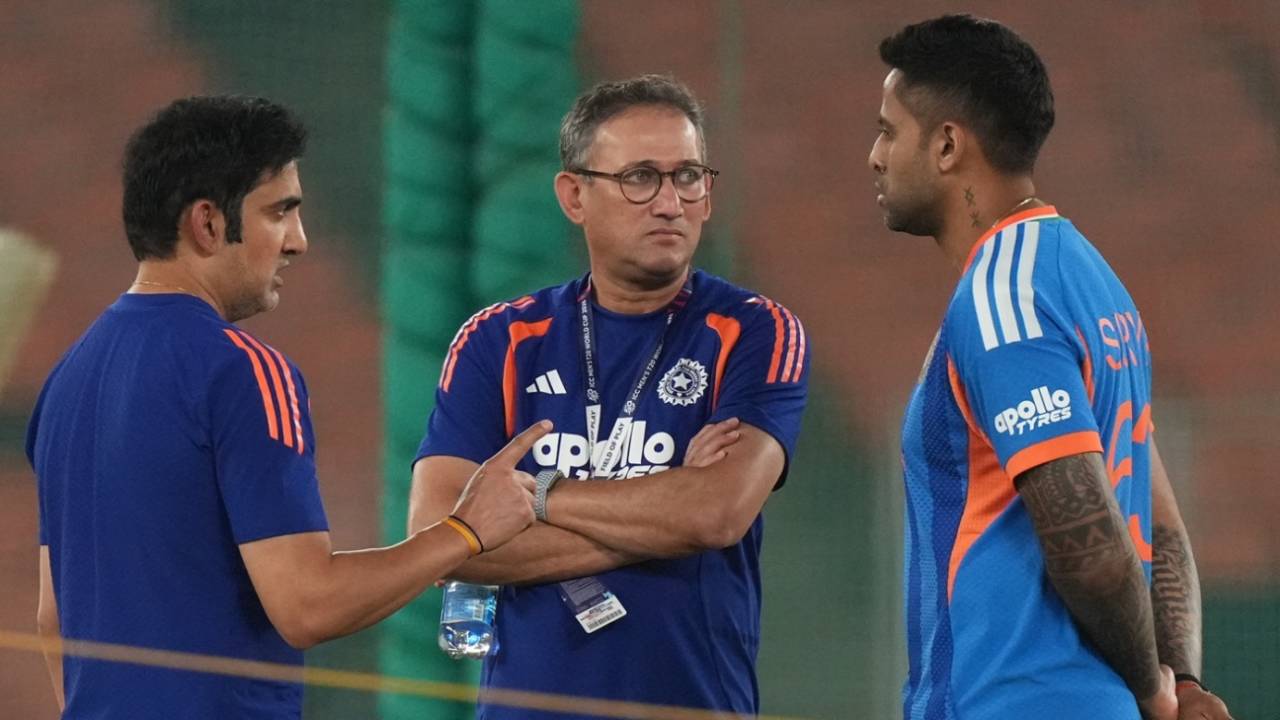
The landscape of Indian T20I cricket has witnessed a seismic shift. The recent decision to omit Suryakumar Yadav from the national side, a mere two months after he captained India to a T20 World Cup title, has reverberated throughout the cricketing fraternity. R Ashwin, a seasoned observer of the game, has been vocal about his concerns, suggesting that Ashwin: Suryakumar’s axing will set precedent for future selection calls, potentially altering how the BCCI approaches leadership and player retention moving forward.
Analyzing the Form and the Fallout
To understand the gravity of this decision, one must look at the numbers. Suryakumar Yadav’s contribution during the T20 World Cup was modest by his high standards, accumulating 242 runs at a strike rate of 136.72. His subsequent form in the Indian Premier League (IPL) remained patchy, with 270 runs at 147.54. While critics point to this dip, Ashwin argues that the emotional and tactical capital Suryakumar built as a World Cup-winning leader should have warranted more patience.
“I’m sure every player has got the right to be gutted about being left out of the side,” Ashwin remarked during a recent appearance on ESPNcricinfo. He emphasized that while players accept that form can fluctuate over 15 to 18 months, the abruptness of the removal feels unprecedented. For a player who successfully steered the national team to a global trophy, this sudden exclusion lacks the customary transition or ultimatum usually afforded to stalwarts of the game.
Setting a New Precedent
The central concern for Ashwin is not just the individual, but the system. By removing a captain so shortly after a major tournament victory, the selectors have signaled a shift toward a more clinical, outcome-based selection policy. Ashwin questions, “Has there been an instance where a captain who’s won the T20 World Cup has been left out without any ultimatum? This is quite a landmark day in selection. Because this will be taken as some sort of a precedent when the next time such a thing ever comes up.”
This move forces the cricketing community to wonder if future captains will feel the pressure of an immediate axe if their form dips, regardless of their leadership success. It marks a transition from valuing long-term stability to prioritizing current form metrics, a philosophy that is as controversial as it is bold.
The Challenges for Shreyas Iyer
Replacing Suryakumar is Shreyas Iyer, a player who has not featured in a T20I for India in over two years. While Iyer’s credentials as an IPL leader—notably his title win with the Kolkata Knight Riders in 2024 and his leadership of the Punjab Kings in 2025—are impressive, his re-entry into the national side as captain presents unique challenges.
Ashwin notes that the team dynamic is fragile. “If I am one of the other 14 members in that T20 World Cup-winning side, I’m looking at one another and saying, ‘hey, we’ve been here for a while now. Haven’t we done enough to warrant a position as a captain?'” The elevation of a player from outside the current T20 core to the captaincy bypasses those who have been integral to the team’s recent successes.
The Question of Team Ethos and Succession
A critical point raised by the veteran spinner involves the role of the vice-captain. Axar Patel had been identified as a key figure in the leadership hierarchy. Ashwin questions the logic of ignoring the natural succession line: “If the choice of vice-captain cannot step up into being the next captain, then we are going back in time and again, questioning those sort of things.”
The decision to appoint Shreyas Iyer acknowledges his tactical acumen, but it simultaneously risks disrupting the team culture that was cultivated during the World Cup campaign. As Indian cricket moves into this new chapter, the ramifications of this selection choice will likely be debated for seasons to come. Whether this becomes a blueprint for success or a cautionary tale about continuity, only time will tell.