Litton Das shares untold details about Bangladesh missing T20 World Cup
The Inside Story of a Missed Opportunity
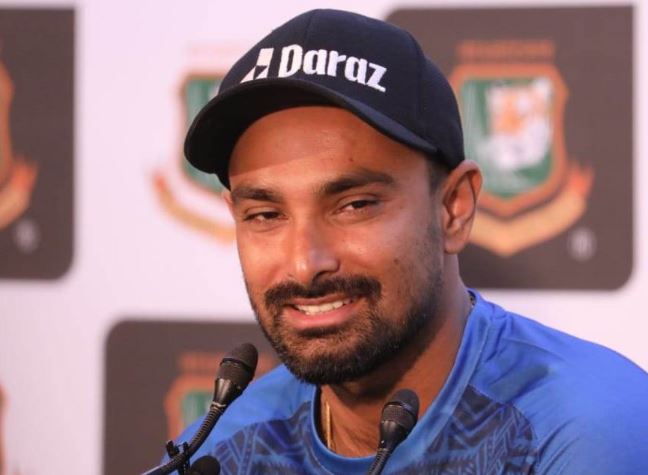
The decision for Bangladesh to withdraw from the 2026 T20 World Cup remains one of the most contentious chapters in the nation’s sporting history. While official reports cited security concerns as the primary driver behind the Bangladesh Cricket Board (BCB) choosing not to send the team to India, the narrative behind the scenes was significantly more complex. Recent statements from the T20 captain, Litton Das, have finally shed light on what actually transpired during those critical meetings.
A Symbolic Consultation?
The narrative previously presented by authorities suggested a high degree of collaboration between the board and the squad. However, Litton Das provided a starkly different account during an interview with the daily Prothom Alo. According to the captain, the much-publicized meeting between players and officials was largely performative.
“There wasn’t really any question to answer there,” Litton remarked with a laugh. He described the event as more of a social gathering than a strategic session. “We basically went there to have tea and participate. It felt like it was being shown to the media that the players had been consulted. We were happy to sit in an air-conditioned room and have some tea.” This perspective suggests that the players were kept at a distance from the actual decision-making process, effectively turning them into silent observers of their own fate.
The Security Paradox
One of the most revealing aspects of Litton’s testimony concerns the rationale behind the withdrawal. The BCB maintained that playing in India posed insurmountable security risks. Litton, however, questioned the consistency of this stance, pointing to the team’s track record in other challenging environments.
“The response from their side was that there were security issues in that country,” Litton explained. “We told them that we had already played cricket in Pakistan, where armed guards stood outside our hotel rooms. What could be more serious than that? If we can play cricket in Pakistan, why not in India?” His logic highlights a frustration shared by many fans: that the security bar seemed to be moved specifically to exclude the possibility of participating in the Indian tournament.
The Limits of Player Agency
When pressed on why the players did not take a more active stand against the decision, Litton was quick to clarify the power dynamics at play. He emphasized that the decision was ultimately the prerogative of the officials, not those who were meant to represent the country on the pitch. “That was entirely their call. As players, what more could we say?”
The captain’s comments stand in direct contrast to claims made by former Youth and Sports Adviser Dr. Asif Nazrul, who previously stated that the players had failed to demand participation. When confronted with these assertions, Litton maintained his composure, albeit with a hint of irony. Upon learning that Dr. Nazrul was no longer in his advisory role, Litton retorted, “People can say many things once they’re no longer in office.”
Reflecting on the Legacy
The fallout from this incident resulted in Scotland taking Bangladesh’s spot in the competition, effectively ending the country’s chances of glory in the 2026 cycle. By providing this account, Litton Das has ensured that the players’ side of the story is now part of the public record. While the opportunity to compete has passed, the transparency regarding how such a major decision was reached serves as a vital lesson for the future of cricket governance in Bangladesh.
For the fans and the players alike, the disappointment of missing a global event lingers, but the clarification provided by the skipper finally puts to rest the myth that the team was a willing participant in its own exclusion. Cricket is ultimately about the players on the field, and as Litton noted, their only desire was to play the game they love.