BBL privatisation bid in trouble after ACA rejects current proposal
A Major Roadblock for Cricket Australia
The landscape of Australian cricket stands at a pivotal crossroads as the BBL privatisation bid in trouble after ACA rejects current proposal. In a decisive move, the Australian Cricketers’ Association (ACA) has formally communicated that it cannot align with the current direction of the privatisation process or the proposed Memorandum of Understanding (MOU) currently on the table.
The Core of the Disagreement
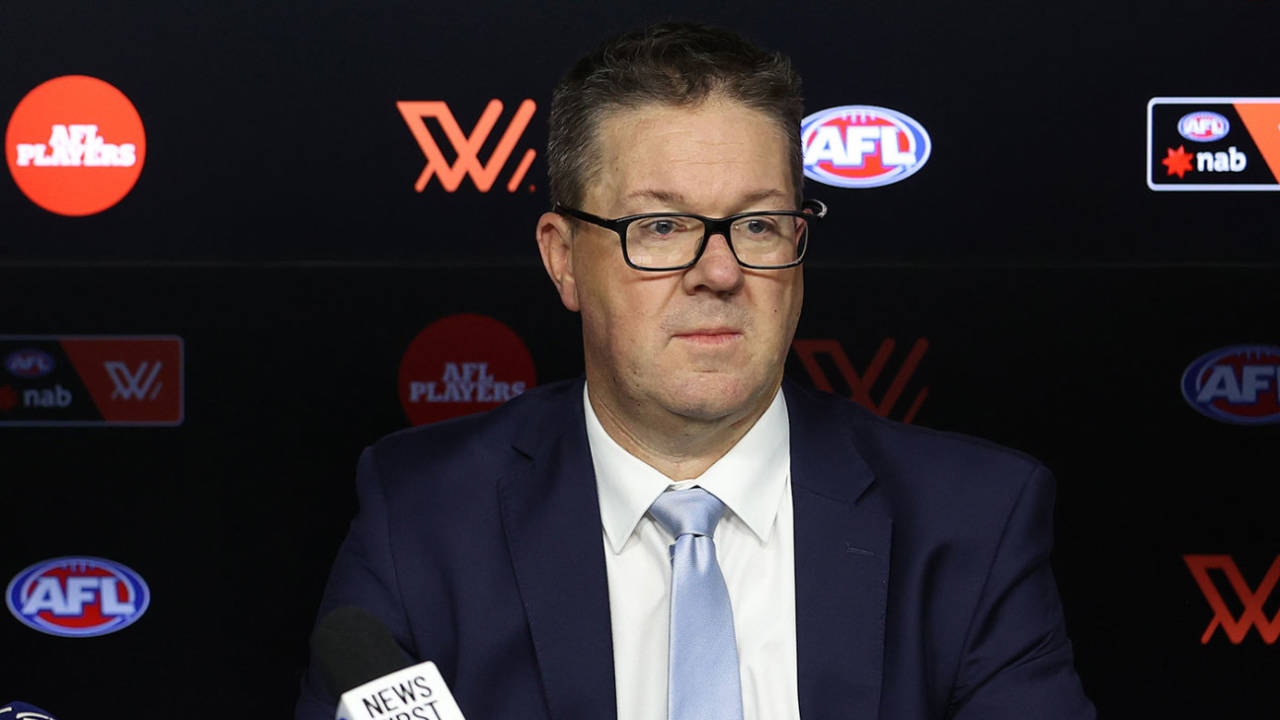
The tension surfaced just a day before a critical meeting between Cricket Australia (CA) and state chairs, where a vote was scheduled to determine the future path of private investment within the Big Bash League. ACA chief executive Paul Marsh, in a direct communication to Australian players, outlined the association’s position following extensive consultations with board members and player delegates.
Marsh emphasized that the game is not yet united on the trajectory of privatisation. The uncertainty surrounding recent events—specifically Cricket Victoria’s proposed sale of the Melbourne Renegades and the potential merger with the Melbourne Stars—has served as a cautionary tale. According to the ACA, these events underscore the necessity for a more cohesive, well-defined approach to ensure that the game retains its value throughout the privatisation journey.
Why the ACA Said No
The primary sticking point remains the financial structure and the proposed MOU. The ACA has raised several key concerns that prevent them from supporting the current deal:
- Revenue Sharing: The current proposal fails to offer improvements on the existing player revenue share arrangement.
- Salary Growth: There is no provision for salary increases across all player cohorts, which the ACA deems essential.
- Player Priorities: The current framework neglects broader priorities that the players have previously presented to Cricket Australia.
Marsh stated, “We are not aligned with the current direction of the process or the proposed MOU. We do not believe it will deliver the best outcome for the game or players.” The ACA holds a significant position in these negotiations, as any sale of BBL teams requires their formal agreement. Consequently, the privatisation process cannot proceed under the current terms.
Addressing the Global Salary Gap
Beyond the immediate privatisation debate, the ACA is concurrently engaged in discussions with CA regarding payment structures for the coming W/BBL season. A point of significant friction for top-tier Australian players is the disparity between their earnings and those of overseas recruits. In some instances, international stars have commanded salaries between AU$100,000 and AU$200,000 more than their Australian counterparts under the existing system.
While CA chief executive Todd Greenberg has argued that the new ownership structure is vital for increasing player salaries and competing on a global scale, the players’ union remains unconvinced that the current proposal is the right mechanism to achieve this.
The Path Forward
The ACA’s stance is clear: they are willing to work toward a deal, but not at the expense of player interests or the long-term health of the game. Marsh noted that the union plans to continue discussions with both CA and the various state bodies to rectify the identified issues. He also emphasized the gravity of the situation, noting, “Given that any sale of these teams is forever, we need to get this right, now.”
As the situation develops, the ACA is scheduled to meet with players from the Melbourne Stars and Renegades to further discuss the implications of the Cricket Victoria proposal. For now, the push for private investment in the BBL remains stalled as both parties navigate the complexities of revenue, value, and the future of the game’s professional participants.