India opt to bat against Pakistan and pick Fulmali over Bhatia in T20 WC
Strategic Choices at the Toss
The atmosphere in Birmingham was electric as India and Pakistan prepared to lock horns in their highly anticipated T20 World Cup Group A opener. At the all-important toss, India captain Harmanpreet Kaur emerged successful and, without hesitation, elected to bat first. The decision underscored India’s confidence in their batting depth and the perceived quality of the pitch.
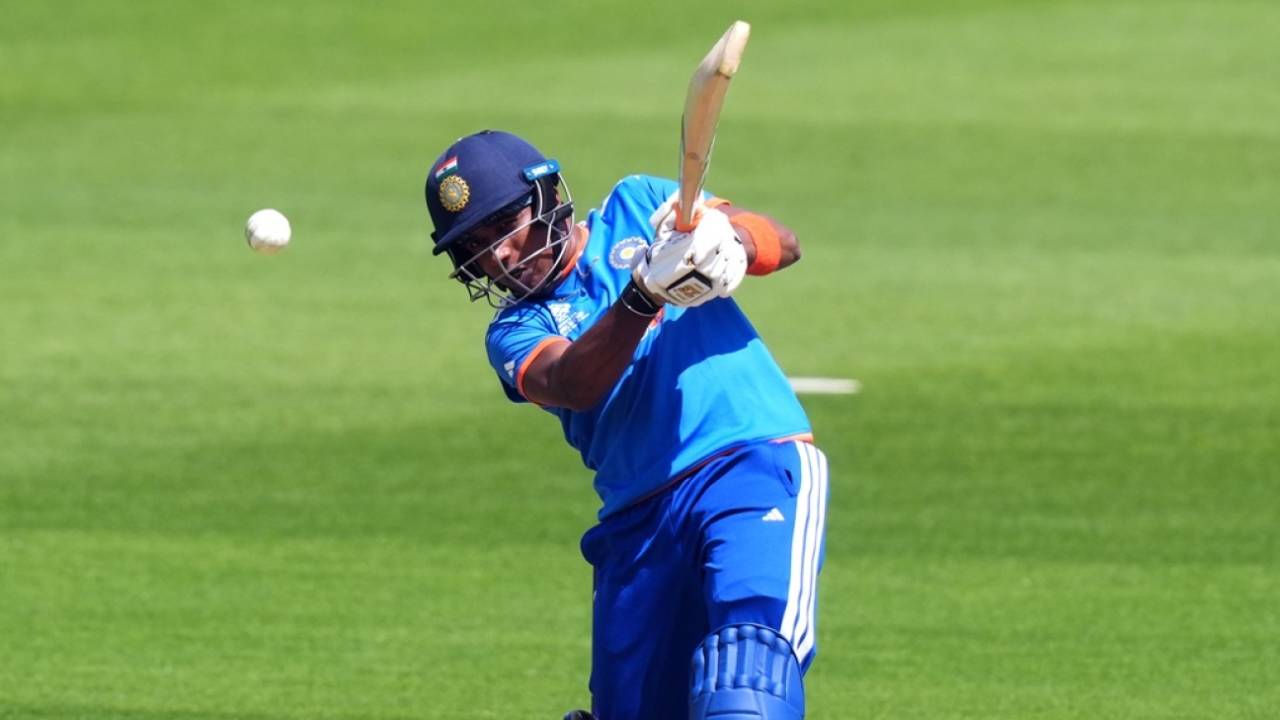
Perhaps the most significant talking point of the team selection was the news that India opt to bat against Pakistan and pick Fulmali over Bhatia. By choosing Bharti Fulmali, the team management opted for a specific strategic profile in the middle order, leaving out the experienced Yastika Bhatia. This move suggests a focused attempt to capitalize on current form and tactical matchups as India aims to kick off their tournament campaign with a commanding performance.
The Tactical Lineup Decisions
India’s team sheet revealed a blend of experience and fresh talent. Alongside the surprise inclusion of Fulmali, the team introduced two other T20 World Cup debutants: the pacer Kranti Gaud and the left-arm spinner Shree Charani. In a calculated move, the team opted for a three-two spin-pace combination, highlighting their intent to control the middle overs with precision. Notably, Renuka Singh, usually a staple in the pace attack, was left out in favor of Gaud’s pace variation.
Pakistan, meanwhile, faced their own set of challenges. Captain Fatima Sana, who had recently cleared a fitness hurdle after a training injury, admitted that her side would have also preferred to bat first on what appeared to be a reliable track for batters. Pakistan enters the competition looking to rectify recent form, having struggled in their warm-up matches against Scotland and Sri Lanka.
Pakistan’s Response and Team Dynamics
Pakistan’s leadership remains optimistic despite a difficult run of form over the past few years. Sana noted that while the team possesses a formidable bowling unit, the primary area for growth lies in their batting consistency. In a bid to revitalize their approach, Pakistan handed a maiden T20 World Cup cap to batter Saira Jabeen, who slotted into the No. 4 position. Additionally, the bowling attack saw the inclusion of left-arm seamer Tasmia Rubab, who was selected over the seasoned campaigner Diana Baig.
Playing XIs
The stage is set for a clash of philosophies as both sides look to stamp their authority on Group A.
India’s XI:
- Smriti Mandhana
- Shafali Verma
- Jemimah Rodrigues
- Harmanpreet Kaur (capt)
- Bharti Fulmali
- Richa Ghosh (wk)
- Deepti Sharma
- Shreyanka Patil
- Arundhati Reddy
- Kranti Gaud
- Shree Charani
Pakistan’s XI:
- Muneeba Ali (wk)
- Gull Feroza
- Ayesha Zafar
- Saira Jabeen
- Natalia Pervaiz
- Aliya Riaz
- Fatima Sana (capt)
- Rameen Shamim
- Nashra Sandhu
- Sadia Iqbal
- Tasmia Rubab
As the match unfolds, the focus will remain on how India’s adjusted batting lineup fares under pressure and whether Pakistan can execute their plans to restrict the opposition. With both teams seeking a vital win to start their journey, the strategic decisions made at the toss are set to influence the flow of this high-stakes encounter significantly.