Sooryavanshi thumps fastest List A fifty as India A win tri-series
A Record-Breaking Display in Dambulla
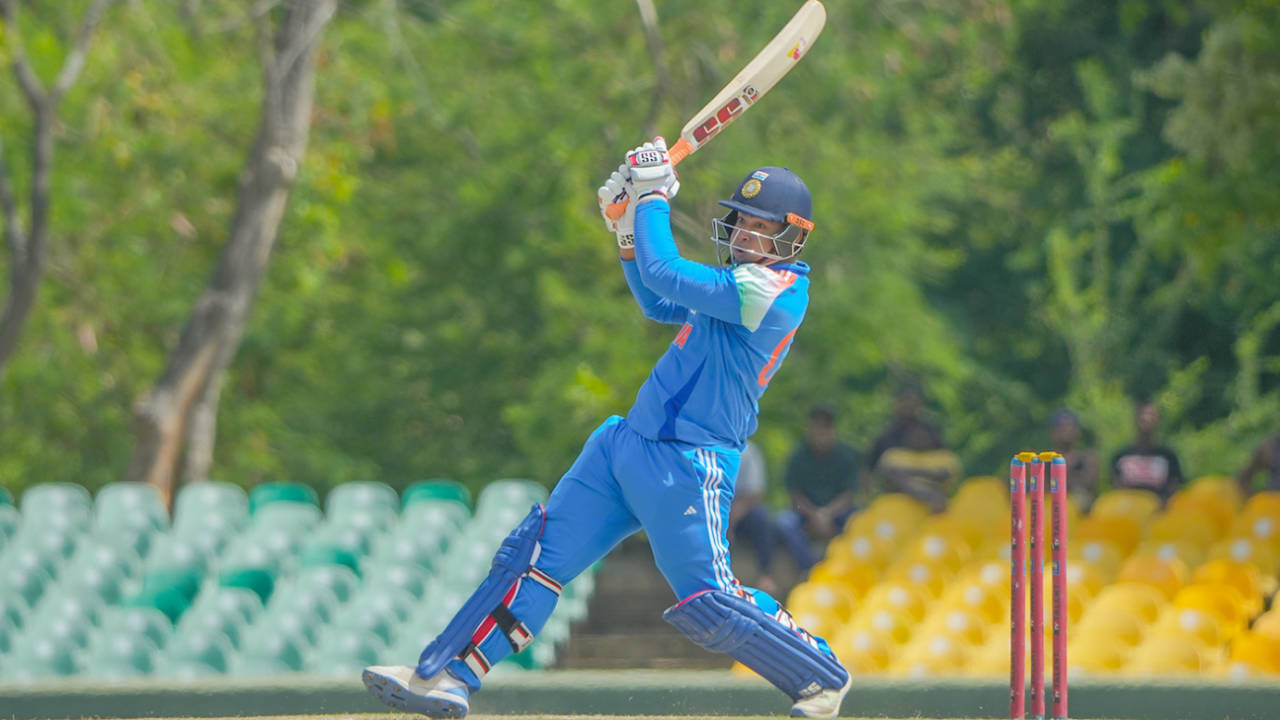
In a performance that will be etched in the annals of domestic cricket, Vaibhav Sooryavanshi delivered an extraordinary batting masterclass as Sooryavanshi thumps fastest List A fifty as India A win tri-series. In what might serve as his final appearance as an uncapped player, the youngster obliterated the record books, reaching a half-century off just 11 deliveries. His explosive innings culminated in a breathtaking 29-ball 94, effectively dismantling the Sri Lanka A bowling attack during the tri-series final held in Dambulla this past Sunday.
The Context of the Dominance
Sooryavanshi entered the final with significant momentum, having accumulated 117 runs across his previous four outings in the tournament. However, the atmosphere surrounding his presence was charged with intensity following a heated confrontation with Sri Lanka A players during a group-stage fixture just four days prior. Amidst reports of disciplinary action and fines, the batter chose to respond in the most emphatic way possible—with his willow.
His aggressive start was nothing short of historic. Each of his first five deliveries faced was dispatched to the boundary. He maintained a relentless strike rate, keeping the prospect of the fastest List A century in his sights until he was eventually dismissed by Sri Lanka A captain Sahan Arachchige in the ninth over. By that stage, India A had already raced to a staggering 132 runs in a mere 8.5 overs.
A Complete Team Effort
While Sooryavanshi provided the initial fireworks, the India A total of 377 for 9 required contributions from across the lineup. At various stages, the innings appeared to stutter, with the team falling from a position where a 400-plus score looked highly probable. It was Anukul Roy, a fellow native of Samastipur, who provided the necessary late-order stability and aggression. Roy smashed 39 runs off only 15 balls, including four towering sixes, to ensure India A crossed the 375-run mark after they had slipped to 334 for 8.
Sri Lanka A’s Valiant Chase
Chasing a mammoth target of 378, Sri Lanka A showed resilience but were ultimately unable to keep pace with the required run rate. Wanuja Sahan anchored their effort with a 69-ball 62, while Sadeera Samarawickrama contributed a steady 52. Despite these efforts, the Sri Lankan side was consistently pegged back by the Indian bowling unit.
Anukul Roy, proving his worth with both bat and ball, broke a crucial 77-run seventh-wicket partnership that had threatened to keep Sri Lanka A’s hopes alive. His dismissal of Vijaykanth Viyaskanth proved to be a turning point. Complementing Roy’s efforts were legspin-allrounder Vipraj Nigam and pacer Yash Thakur, both of whom claimed three wickets apiece. The pressure applied by the bowling attack ensured that Sri Lanka A were eventually bowled out for 311 in the 48th over, handing India A a comfortable 66-run victory.
Reflecting on a Historic Tournament
The tri-series final will be remembered primarily for Sooryavanshi’s audacity and his ability to perform under the immense pressure of a final. His 11-ball fifty is a testament to the evolving nature of the game and the fearlessness of the current generation of cricketers. As India A celebrates this comprehensive triumph, the tournament serves as a glowing showcase for the depth of talent currently rising through the ranks. With a series of clinical performances, India A have proven their superiority in the conditions, setting a high bar for future encounters at this level.