India’s depth takes centrestage as Afghanistan fight to avoid whitewash
The Path to a Series Sweep
As the final ODI approaches in Chennai on June 20, the narrative of this series has been defined by the remarkable resilience of the home side. India’s depth takes centrestage as Afghanistan fight to avoid whitewash, with the hosts having already secured the three-match series with a game to spare. In the absence of established stars like Virat Kohli, Jasprit Bumrah, and Hardik Pandya, the Indian selection has proved that the bench strength is more than capable of handling international pressure.
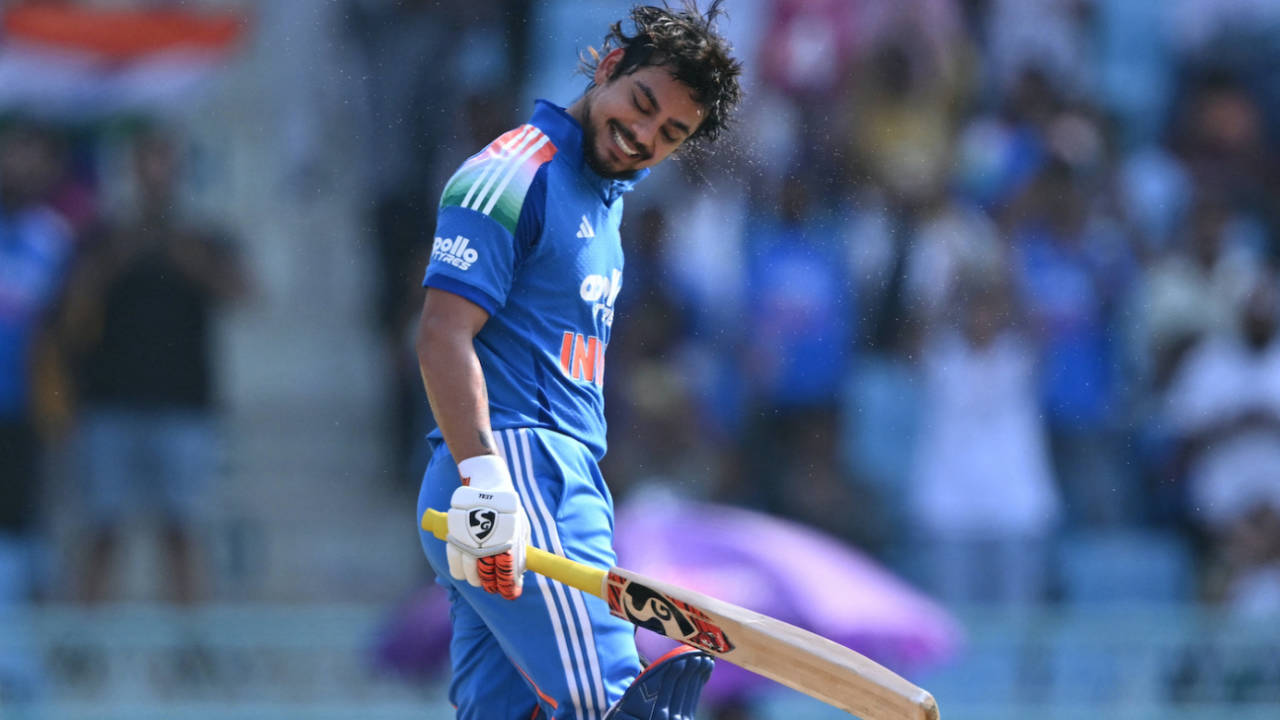
Ishan Kishan made a triumphant return to the side, showcasing his destructive capabilities with a blistering 125 off 79 balls under the sweltering Lucknow sun. Meanwhile, the emergence of Gurnoor Brar has been a revelation; the tall fast bowler, selected based on immense potential, has lived up to the hype by claiming a series-leading six wickets across two appearances. Despite a rain-affected debut in Dharamsala, the collective effort from the bowling unit has been instrumental in pinning back a struggling Afghanistan side.
Shubman Gill Leading from the Front
Captain Shubman Gill has been in sublime touch, cementing his role as the anchor of the batting lineup. After an unbeaten 84 in the opener, he elevated his game with a commanding 154 in the second match. His ability to bat deep into the innings has been a source of confidence for the dressing room and a headache for the opposition bowlers. Afghanistan, conversely, has faced significant challenges. Without the experience of Mohammad Nabi in the second ODI due to a viral infection, the batting order appeared porous, struggling to build the necessary partnerships to challenge India’s massive totals.
Tactical Shifts and Team News
With the trophy already secured, India’s assistant coach, Ryan ten Doeschate, has indicated that the team management is open to experimenting with the playing XI. Nitish Kumar Reddy, who missed the previous clash with a thigh injury, looked comfortable in the nets at Chepauk, signaling a potential return. There is also intrigue surrounding the spin department, where a choice between the left-arm orthodox of Harsh Dubey and the wrist-spin of Kuldeep Yadav remains to be finalized. For Afghanistan, the potential return of Mohammad Nabi and Azmatullah Omarzai would provide a much-needed boost as they look to salvage some pride.
Key Battles: Jaiswal and Rashid Khan
Yashasvi Jaiswal finds himself in an interesting position. Despite his pedigree and a notable century against a strong South African attack in Vizag last year, he faces stiff competition for a permanent spot in the top order. The final ODI represents another vital opportunity for him to stake his claim for the 2027 ODI World Cup. On the other side, Rashid Khan remains the beacon of hope for Afghanistan. While he held his own during the IPL and the recent ODI in Lucknow, the team requires more support from the rest of the bowling attack, particularly from newcomer AM Ghazanfar, to contain India’s batting onslaught.
Conditions and Statistical Context
The match at Chepauk is expected to be played on a red-soil pitch, which typically provides consistent bounce, rewarding disciplined bowling. Players will need to manage their hydration carefully, as the afternoon heat is expected to test endurance levels. Statistically, Gurnoor Brar enters the history books alongside Piyush Chawla as one of the few bowlers to claim three or more wickets in each of their first two ODIs. Meanwhile, Afghanistan’s fielding coach, John Mooney, has openly admitted that the team must address their tendency to leak boundaries and their failure to form meaningful partnerships if they are to avoid a 3-0 defeat.
Final Outlook
The gap between the two sides has been evident throughout this series. While India has been clinical in their execution and depth, Afghanistan has struggled with both health concerns and tactical inconsistencies. As the series draws to a close, all eyes will be on whether the tourists can muster the resolve to challenge the depth of the Indian side or if the hosts will complete a comprehensive sweep in front of the Chennai crowd.