IPL 2026 Final hit by smart glasses scare as Anti-Corruption Unit issues warning – IPL 2026 Final: Anti-Corruption Unit Issues Smart Glasses Warning
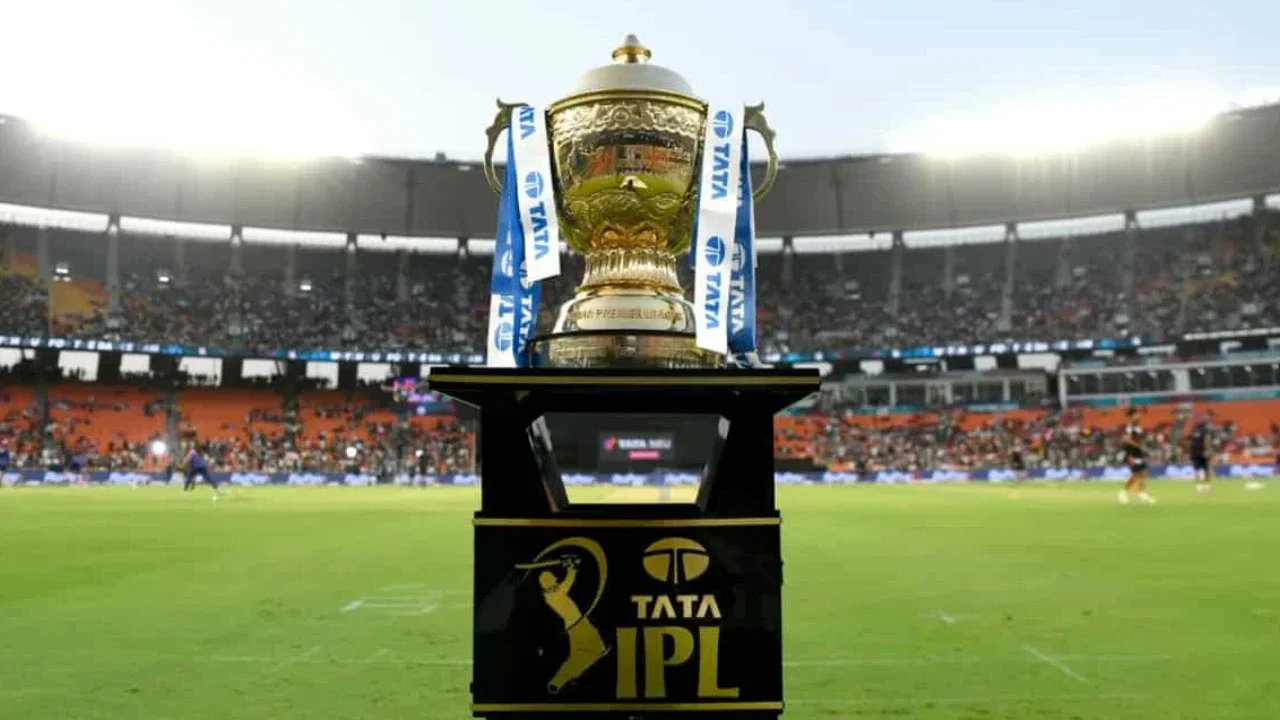
The Evolving Threat of Wearable Technology in Cricket
As the Indian Premier League (IPL) 2026 reaches its highly anticipated climax, the league’s integrity protocols are facing unprecedented challenges from rapidly evolving consumer technology. In a proactive move to safeguard the game, the Anti-Corruption Unit (ACSU) has issued a stern warning regarding the use of advanced wearable devices. Specifically, the unit has red-flagged smart glasses, goggles, sunglasses, and smartwatches within the highly restricted areas of the venue during matches.
These modern wearable accessories are no longer mere fashion statements or simple fitness trackers. Today’s smart eyewear is equipped with high-definition cameras, microphones, and advanced processors capable of live-streaming, sending and receiving text messages, and making audio or video calls via mobile data or Wi-Fi networks. The potential for these devices to facilitate unauthorized, real-time communication from inside the ground has forced anti-corruption officials to implement strict countermeasures ahead of the IPL 2026 Final.
Understanding the PMOA and Its Strict Guidelines
To maintain the absolute integrity of every match, the IPL enforces the Player and Match Officials Area (PMOA) Minimum Standards. The PMOA refers to the highly restricted, secure zones inside a stadium—such as the dressing rooms, dugouts, and match officials’ areas—where only authorized individuals, including players, coaches, umpires, and Anti-Corruption Officers, are permitted access.
Under the established PMOA protocols, no communicative devices are allowed in these restricted zones while a match is underway. Following the latest technological assessments, the ACSU has officially classified smart eyewear and advanced wearable tech under the categories of “Audio/Video Recording Devices” and “Communication Devices.” The primary objective of this classification is to completely isolate players and team staff from external contact, thereby eliminating the risk of spot-fixing, unauthorized data transmission, and other security concerns.
The Romi Bhinder Incident: A Case of Protocol Breach
The urgency of the ACSU’s latest advisory is underscored by an incident that occurred earlier in the ongoing IPL 2026 season. During a group stage match, Rajasthan Royals’ team manager Romi Bhinder was spotted using a mobile phone inside the team’s dugout. The incident was immediately flagged and came under intense scrutiny from tournament officials.
While team managers are permitted to use mobile phones inside the secure confines of the dressing room for genuine emergency situations, they are strictly prohibited from utilizing any communication devices while in the dugout. The Board of Control for Cricket in India (BCCI) found Bhinder in breach of the PMOA Minimum Standards and subsequently imposed a penalty. This high-profile incident highlighted the critical need for constant vigilance and strict enforcement of communication bans during live matches.
Tightening Security for Support Staff and Temporary Personnel
With wearable technology becoming increasingly sophisticated and covert, the ACSU is leaving no stone unturned to stay ahead of potential integrity threats. According to reports, the unit’s latest crackdown emphasizes that security protocols must extend beyond the playing XI and core coaching staff.
Franchises have been strictly advised to ensure that all temporary personnel, including the following individuals, adhere to approved access protocols:
- Net bowlers
- Logistics staff
- Throwdown specialists
- Other temporary team support personnel
Teams must guarantee that none of these individuals carry unauthorized communication devices, including smart glasses or smartwatches, into any sensitive PMOA zones. By tightening these loopholes, the ACSU aims to eliminate any potential channel for covert communication during one of the world’s most commercially significant and heavily watched sporting events.
Preserving the Integrity of the IPL 2026 Final
The IPL has established itself as a global sporting powerhouse, and its commercial success relies heavily on the credibility of the competition. The ACSU’s decision to issue this timely advisory ahead of the IPL 2026 Final highlights the league’s commitment to maintaining a clean sport. As technology continues to integrate seamlessly into daily wear, cricket’s governing bodies must remain vigilant, adapting their rules to counter the invisible threads of modern communication and ensuring that the battle on the pitch remains entirely fair and transparent.