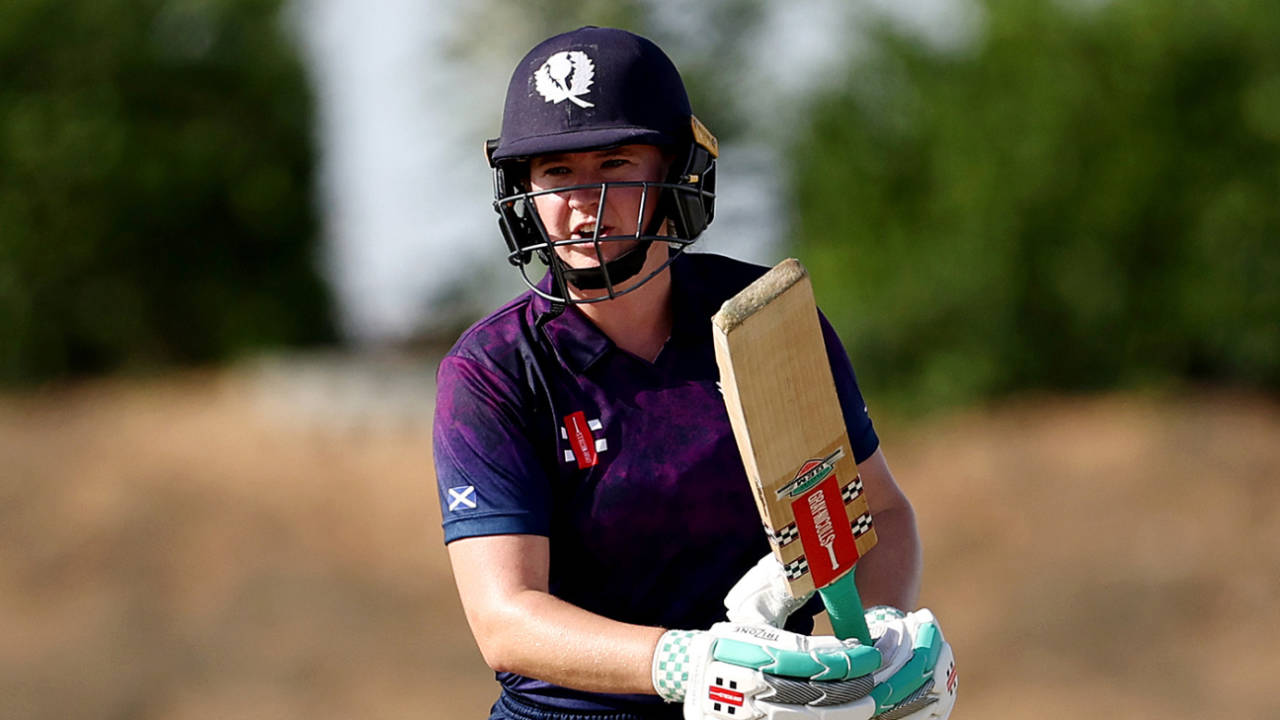
Kathryn Bryce’s all-round effort takes Scotland to tri-series win
A Dominant Display in Edinburgh
In a thrilling conclusion to the tri-series held in Edinburgh, the Scottish women’s cricket team stamped their authority on the tournament. The hosts emerged victorious in a rain-affected encounter against the Netherlands, a win largely orchestrated by their inspirational captain. The narrative of the match was clear from the outset: Kathryn Bryce’s all-round effort takes Scotland to tri-series win, confirming their status as the dominant side in the competition.
Despite the persistent threat of weather, the Scottish side maintained focus. With three wins from four matches, Scotland secured the top spot on the table, leaving the Netherlands to contend with a final remaining fixture against Bangladesh. The result was not just a victory; it was a statement of intent from a side growing in confidence on the international stage.
Scotland’s Innings: Building a Mountain
After a lengthy rain delay disrupted the start of play, the Netherlands won the toss and elected to field. The decision initially seemed to bear fruit when Heather Siegers struck early, dismissing opener Darcey Carter in only the second over. However, the joy for the Netherlands was short-lived as Katherine Fraser joined Kathryn Bryce at the crease.
The duo immediately shifted the pressure back onto the bowlers, combining for a rapid 43-run partnership in just 24 balls. Their ability to find the boundaries consistently allowed Scotland to maintain a healthy run rate despite the truncated nature of the game. Even after Caroline de Lange broke the partnership in the sixth over, there was no respite for the Dutch bowlers.
Sarah Bryce stepped in to partner her captain, and the pair displayed immense composure. Together, they added 58 runs, effectively steering Scotland past the 100-run mark. Kathryn Bryce was the standout performer, scoring an exquisite 63 off just 33 balls before eventually departing. Her knock was the cornerstone of Scotland’s total of 124 for 3 in their rain-reduced 12 overs.
The Dutch Chase and DLS Complications
Following the innings break, the target for the Netherlands was adjusted via the DLS method to 105 runs off 10 overs. The pressure of a high required run rate was evident from the start, and Scotland’s bowling attack was clinical in its execution.
Kathryn Bryce, having already influenced the game with the bat, wasted no time in making an impact with the ball. She broke the opening partnership in the second over, removing Phebe Molkenboer. Shortly thereafter, Olivia Bell struck in the third over to dismiss the dangerous Heather Siegers, putting the Netherlands in a precarious position.
Sterre Kalis and captain Babette de Leede attempted a rescue mission, stitching together a 42-run partnership to keep their team’s hopes alive. However, the task of scoring 34 runs from the final 12 balls proved to be an insurmountable challenge. Chloe Abel claimed the crucial wicket of the partnership, and tight, disciplined bowling from the Scottish attack ensured that the Netherlands were restricted to 80 for 6 in their 10 overs.
What This Win Means for Scotland
Winning the tri-series serves as a significant milestone for Scottish cricket. Throughout the tournament, the team showcased a blend of aggressive batting and disciplined bowling, with the Bryce sisters often leading the charge. The victory underscores the depth of the squad and their ability to adapt to varying conditions, including the frustrating interruptions caused by rain.
As the team looks ahead to future assignments, this series win will undoubtedly serve as a confidence booster. The victory was a collective effort, but the individual brilliance displayed by the captain highlighted why she remains a vital cog in the Scottish setup. With the series successfully wrapped up, the squad can now reflect on a campaign defined by grit, tactical awareness, and clinical performances under pressure.