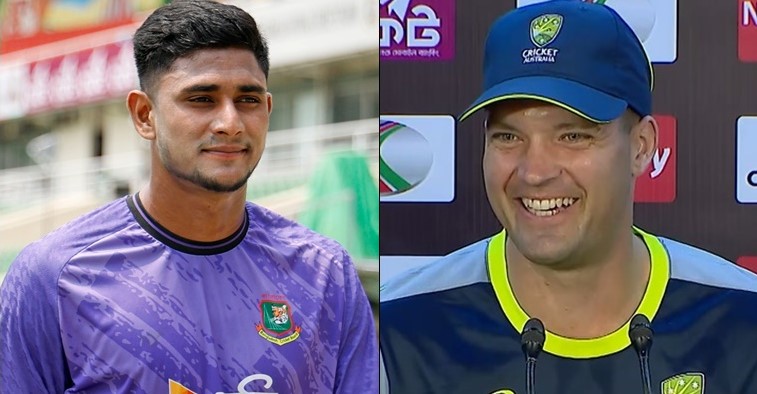
He needs to improve in ODI cricket: Miraz on Rishad Hossain
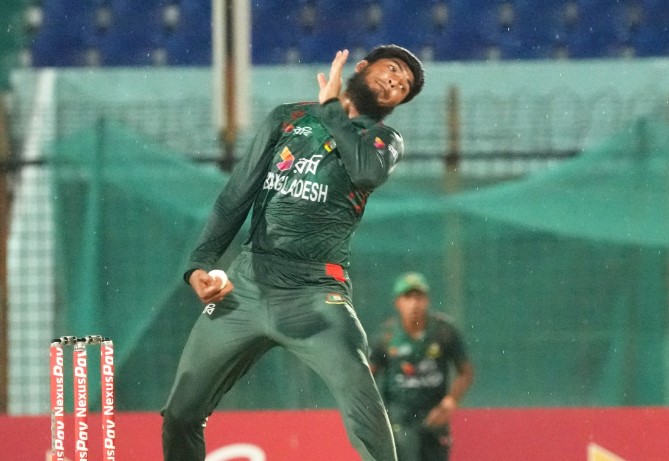
The Rise of a Young Talent
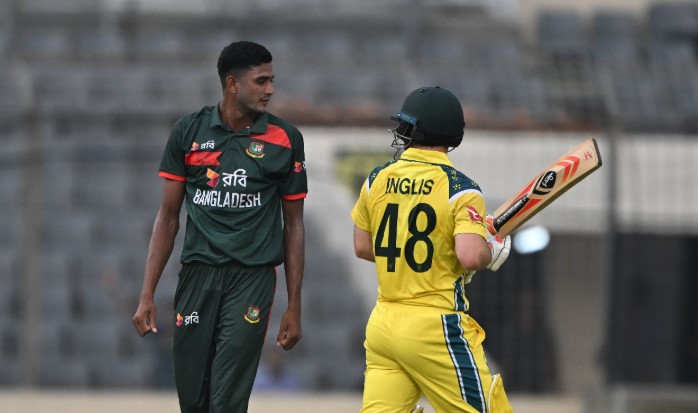
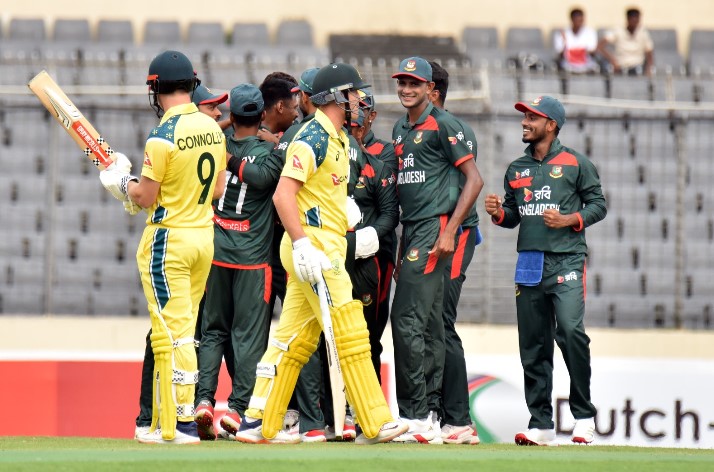
At just 23 years of age, Rishad Hossain has already carved out a significant reputation for himself on the global cricket stage. The young leg-spinner first captured the attention of the international community during the T20 World Cup, where his ability to deceive world-class batters left teams, including Australia, scrambling for solutions against his crafty variations.
As Australia prepares to tour Bangladesh for a highly anticipated white-ball series, the spotlight has naturally shifted to whether Rishad will find a place in the starting XI. This speculation gained further momentum following recent comments from Bangladesh ODI captain Mehidy Hasan Miraz during a pre-match press conference, where he addressed the young bowler’s development path.
The Challenge of Transitioning Formats
While Rishad has amassed considerable experience in the shortest format—having played 57 T20 internationals—his record in the 50-over format remains relatively thin. With only 19 ODIs under his belt, the young spinner is currently at a crossroads in his international career. He is yet to fully cement his position as a mainstay in the ODI side, a fact that both the team management and the player himself are well aware of.
Even with his exposure to Australian conditions through stints in various franchise leagues, including the Big Bash League (BBL), Miraz remains pragmatic about what this means for his ODI prospects. “Rishad has played domestic cricket there and also featured in a lot of franchise leagues,” Miraz noted. “He is becoming more confident and settling himself well. But if he wants to establish himself further, he needs to perform even better.”
Why ODI Cricket Demands More
Captain Miraz emphasized that the transition from franchise T20 leagues to the rigors of ODI cricket is not as straightforward as it may appear on the surface. “Franchise cricket and ODIs are different games,” the captain explained. “He needs to be more proactive because he hasn’t played many matches in this format. If he gets the opportunity, he will understand it himself.”
The fundamental difference, according to the team leadership, lies in the tactical demands of the 50-over game. While T20 cricket often encourages high-risk, high-reward bowling, ODI cricket requires a more nuanced approach. Bowlers must master the art of controlling the run rate during middle overs while simultaneously hunting for breakthroughs, a skill set that takes time and experience to master fully.
Faith in the Future
Despite the critical tone regarding his current standing, Miraz was quick to affirm his faith in the youngster. It is clear that the team management views Rishad as a long-term investment rather than a finished product. “Rishad is definitely an important bowler. We trust him,” Miraz assured reporters.
The message from the dressing room is one of patience and development. By highlighting that “he still needs to improve,” Miraz is setting expectations for the young bowler to adapt his game to the longer demands of the ODI format. The team is looking for consistency, tactical maturity, and the ability to execute plans under sustained pressure. With a bright future ahead of him, Rishad Hossain is expected to receive more opportunities to prove his worth. As the series against Australia approaches, all eyes will be on whether the leg-spinner can bridge the gap between his T20 success and the requirements of ODI cricket, justifying the trust placed in him by the captain and his teammates.