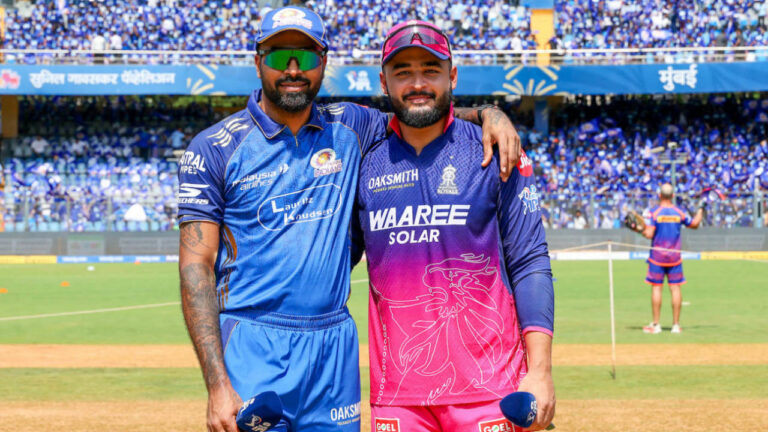
‘No one is going to point fingers’ – Pollard on Hardik’s captaincy
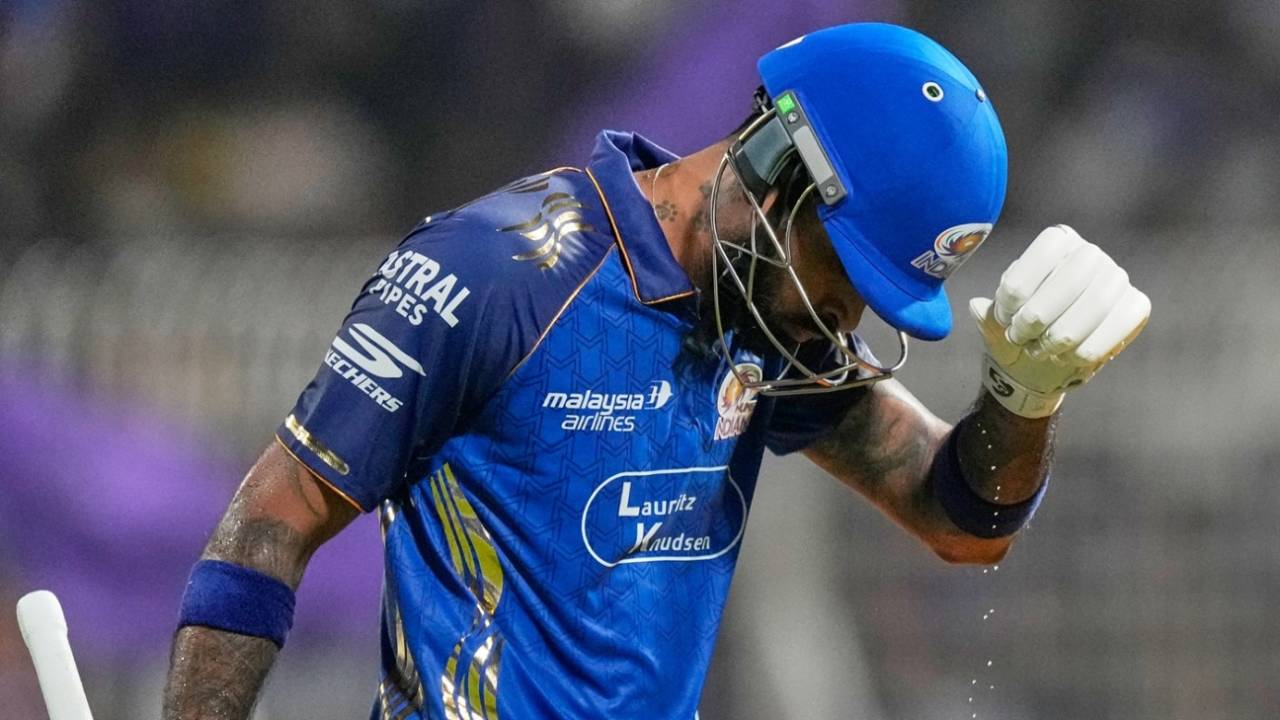
A Season of What-Ifs for Mumbai Indians
The 2026 Indian Premier League season concluded in disappointment for the Mumbai Indians, a franchise synonymous with success over the past decade. Finishing ninth, the team failed to find the rhythm required to compete for the playoffs. Kieron Pollard, the team’s batting coach, reflected on the campaign as a series of missed opportunities and strategic disconnects. In his post-match press conference following the final game against the Rajasthan Royals, Pollard admitted that the team fell short of expectations throughout the tournament, failing to string together the momentum needed to secure a top-four finish.
The Need for a Thorough Review
While fans and analysts are eager for immediate explanations, Pollard emphasized the importance of a measured approach. He noted that now is not the time for knee-jerk reactions or emotional decision-making. Instead, the management requires time and space to conduct a deep, objective assessment of where the season went wrong. Pollard stressed that making hasty changes without a comprehensive review would be irresponsible, suggesting that the upcoming period of reflection is vital for future success.
Addressing the Hardik Pandya Captaincy Debate
One of the central narratives throughout the season has been the performance of captain Hardik Pandya. When pressed on the leadership transition and the pressures faced by Pandya, Pollard was firm in his defense of the collective unit. ‘No one is going to point fingers’ – Pollard on Hardik’s captaincy, explaining that when a team loses, it is a shared failure rather than the result of a single individual’s actions. Pollard acknowledged that the season did not go as well as Pandya or the franchise had hoped, but he maintained that the support structure provided by the management was intended to give the captain every opportunity to succeed. ‘He was trying, we all were trying, and it just didn’t work out for us,’ Pollard remarked, highlighting that shifting blame is not the ethos of the Mumbai Indians.
Managing Jasprit Bumrah‘s Fitness
Another talking point was the form of premier pacer Jasprit Bumrah, who recorded his leanest season in terms of wickets since 2015. Despite maintaining an impressive economy rate of 8.37, Bumrah finished the season with only four wickets. Pollard revealed that the fast bowler had been carrying a niggle following the T20 World Cup, which hindered his ability to perform at his peak physical capacity. ‘We tried to manage it,’ Pollard stated, clarifying that the decision to leave him out of the final game was a strategic move focused on player welfare rather than performance alone. As a prized possession for Indian cricket, the team opted for the smarter, long-term option by resting him when the playoffs were no longer a mathematical possibility.
Looking Toward the Future
As the Mumbai Indians look back at a season that failed to live up to the standard of a five-time champion, the focus now shifts to rebuilding. Pollard admitted that it has been a while since the team last lifted the trophy, and the organization is fully aware of the need for deep, strategic thinking. The goal is to move away from the inconsistencies that plagued the 2026 campaign and establish a more robust framework for the future. By prioritizing a thorough audit of their processes, the management hopes to return to the competitive heights that defined their golden era. For now, the sentiment within the camp remains one of collective responsibility, emphasizing that success and failure are shared experiences within the Mumbai Indians family.