Pakistan bowl first in 1000th ODI; Minhas, Peake earn ODI debuts
A Historic Milestone at Rawalpindi
The cricketing world turned its eyes to the Rawalpindi Cricket Stadium today as a significant milestone was reached. In an atmosphere charged with anticipation, Pakistan bowl first in 1000th ODI; Minhas, Peake earn ODI debuts, marking a special day for the home side. By stepping onto the field for their 1000th One Day International, Pakistan has joined an elite group of nations—only India and Australia have previously achieved this quadruple-digit figure in the history of the format.
Shaheen Shah Afridi Opts to Field
Pakistan captain Shaheen Shah Afridi won the toss and did not hesitate to put Australia into bat. Explaining his decision, the captain highlighted the nature of the surface and the changing conditions at the venue. He noted that batting under the lights is expected to be more favorable as the evening progresses. Furthermore, the team management anticipated that the pitch would offer more assistance to the spin bowlers during the first innings, justifying the decision to bowl first.
Focus on Youth and Spin
The Pakistan XI features a heavy emphasis on spin, highlighting a tactical shift for this series. A major talking point is the inclusion of 21-year-old Arafat Minhas. The left-arm spinner has already gained experience at the international level through T20Is, but today marks his first appearance in the 50-over format. He is joined in the side by the experienced leg-spinner Shadab Khan, who makes a welcome return to the ODI fold after his last appearance during the 2023 World Cup.
The bowling attack is rounded out by the mystery spin of Abrar Ahmed and the versatile Salman Ali Agha, giving Pakistan a four-pronged spin attack. In the pace department, the side relies on the raw speed of Haris Rauf and the leadership of Shaheen Shah Afridi, who remain the only two specialist fast bowlers in the starting lineup.
Australia’s New Look and Tactical Experiments
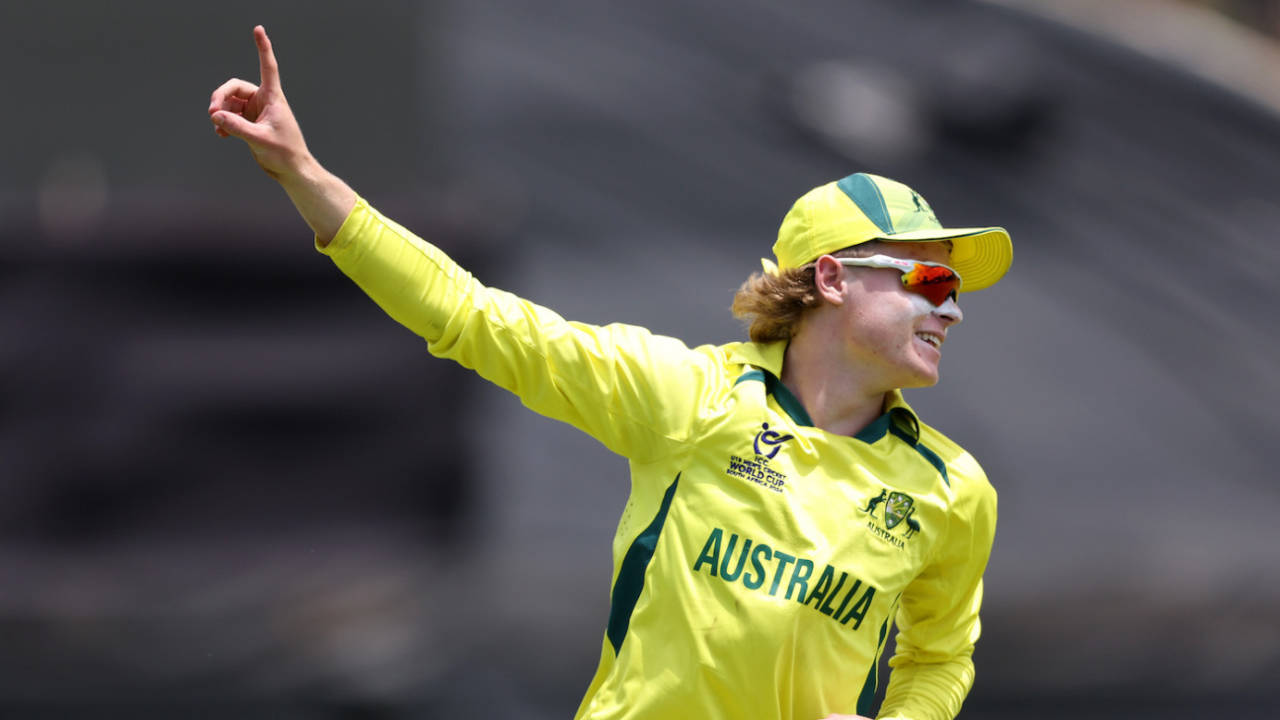
Not to be outdone in the debutant department, Australia handed a cap to 19-year-old explosive batter Oliver Peake. Known for his aggressive stroke play, Peake will be looking to make an immediate impact on the international stage. Meanwhile, the Australian pace battery sees the return of the towering Billy Stanlake, who marks his comeback to the side after a seven-year hiatus.
Captain Josh Inglis has a specific vision for this series, particularly regarding Cameron Green. The all-rounder has been slotted into the middle order as part of a deliberate plan to test and develop his finishing capabilities under pressure. Nathan Ellis provides additional pace support, while the spin duties are handled by Tanveer Sangha and Matthew Kuhnemann.
The Playing Elevens
Pakistan: Sahibzada Farhan, Maaz Sadaqat, Babar Azam, Ghazi Ghori (wk), Salman Ali Agha, Abdul Samad, Shadab Khan, Arafat Minhas, Shaheen Shah Afridi (capt), Haris Rauf, Abrar Ahmed.
Australia: Matthew Short, Alex Carey, Josh Inglis (capt and wk), Marnus Labuschagne, Cameron Green, Matthew Renshaw, Oliver Peake, Nathan Ellis, Tanveer Sangha, Billy Stanlake, Matthew Kuhnemann.
Looking Ahead
As the series progresses, the tactical battle between Pakistan’s spin-heavy strategy and Australia’s versatile batting lineup will be fascinating to observe. With the monumental 1000-match achievement under their belt, Pakistan will be eager to mark the occasion with a clinical performance. For Australia, the inclusion of fresh faces like Peake and the reintroduction of experienced hands like Stanlake suggests a team looking to balance immediate results with future development. Cricket fans can expect a competitive three-match series as both teams adapt to the unique conditions of the Rawalpindi deck.